Knee arthroscopy is a minimally invasive surgical procedure used to diagnose and treat various knee joint problems. It involves inserting a small camera (arthroscope) and miniature surgical instruments through tiny incisions to view and repair the inside of the knee. Because the cuts are small, recovery is faster, pain is less, and results are highly effective.
What Is Knee Arthroscopy?
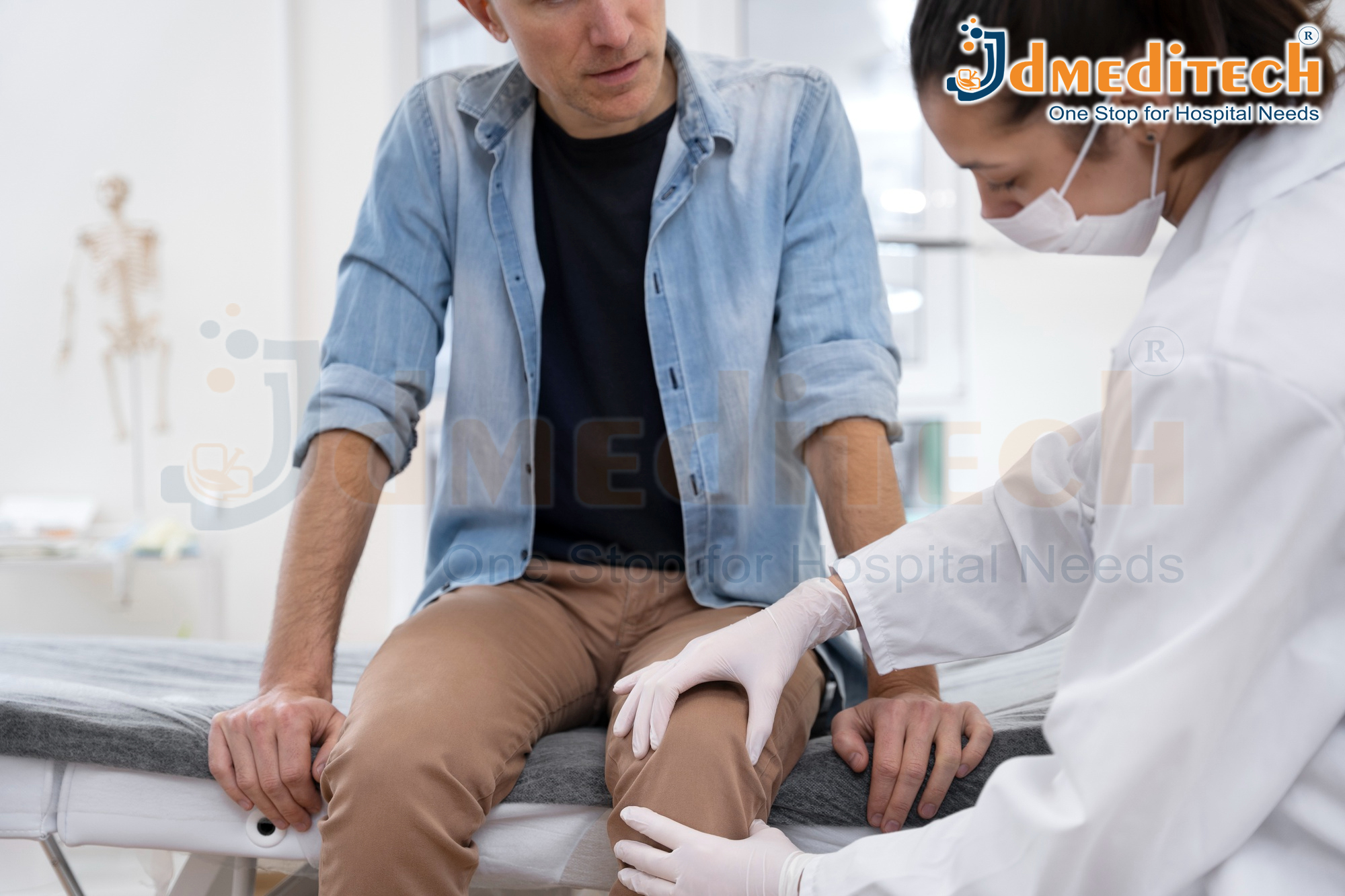
Knee arthroscopy is commonly performed when patients experience knee pain, swelling, locking, instability, or movement difficulties. The arthroscope displays a clear image of the knee joint on a monitor, helping the surgeon identify problems such as torn cartilage, ligament injuries, or inflamed tissue.
It has become one of the most commonly performed orthopedic procedures due to its safety and quick recovery time.
Other important structures that make up the knee joint include:
- The ends of the femur and tibia, and the back of the patella are covered with articular cartilage. This slippery substance helps your knee bones glide smoothly across each other as you bend or straighten your leg.
- The knee joint is surrounded by a thin lining called synovium. This lining releases a fluid that lubricates the cartilage and reduces friction during movement.
- Two wedge-shaped pieces of meniscal cartilage between the femur and tibia act as shock absorbers. Different from articular cartilage, the meniscus is tough and rubbery to help cushion and stabilize the joint.
- Bones are connected to other bones by ligaments. The four main ligaments in your knee act like strong ropes to hold the bones together and keep your knee stable.
Who Needs Knee Arthroscopy?
Knee arthroscopy is recommended for people who have persistent knee problems that do not improve with medications, physiotherapy, rest, or other non-surgical treatments. Your doctor may suggest this procedure if you have:
- Meniscus tears causing pain, catching, or locking
- Ligament injuries such as ACL or PCL tears
- Cartilage damage leading to stiffness and swelling
- Loose bodies (small pieces of bone or cartilage floating inside the joint)
- Knee swelling or synovitis that keeps returning
- Patellar (kneecap) instability or misalignment
- Early-stage knee arthritis that requires cleaning or smoothing of joint surfaces
- Unexplained knee pain that needs accurate diagnosis
- Knee infections that need cleaning (lavage)
You may be a good candidate for knee arthroscopy if:
- Your knee pain affects daily activities
- You experience clicking, locking, or giving-way sensations
- You are unable to straighten or bend your knee fully
- Imaging tests (MRI or X-ray) show a treatable internal knee injury
What Happens During Knee Arthroscopy?
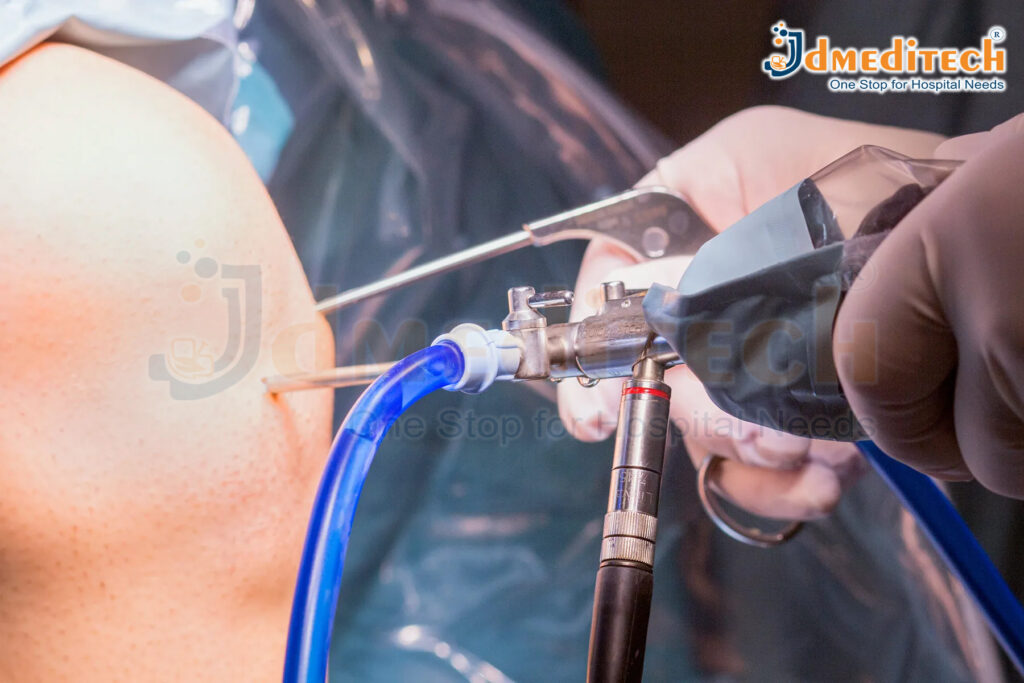
Knee arthroscopy is a minimally invasive procedure performed through very small incisions. Here’s what typically happens during the surgery:
Anesthesia is Given
You may receive local, regional, or general anesthesia depending on your condition and the surgeon’s preference. This ensures you feel no pain during the procedure.
Small Incisions Are Made
The surgeon creates two or three tiny cuts around the knee. Through one incision, the arthroscope (a small camera) is inserted.
Visual Examination of the Joint
The arthroscope sends live images to a monitor, allowing the surgeon to clearly view the inside of your knee. This helps identify the exact problem — such as a torn meniscus, damaged cartilage, or loose fragments.
Surgical Instruments Are Inserted
Through the other incisions, miniature instruments are used to:
- Trim or repair a meniscus tear
- Remove loose bone or cartilage pieces
- Smooth damaged cartilage
- Treat inflamed tissue (synovectomy)
- Repair ligament injuries
- Clean the joint if infection is present
The surgeon performs both diagnosis and treatment during the same procedure.
Joint Is Flushed and Cleaned
A sterile solution may be used to wash the knee joint, improving visibility and removing debris.
Incisions Are Closed
Once the repair is complete, the instruments are removed, and the small incisions are closed with:
- Sutures
- Steri-strips
- Small bandages
Recovery Begins
You will be moved to a recovery area where:
- Your knee will be bandaged
- Ice may be applied
- You will receive instructions about walking, pain relief, and home care
What Are the Advantages of Knee Arthroscopy?
Knee arthroscopy offers several benefits compared to traditional open knee surgery. Because it uses tiny incisions and advanced instruments, patients experience faster healing and fewer complications. The major advantages include:
- Minimally Invasive Procedure
Only small cuts are made, causing less damage to surrounding tissues and muscles.
- Less Pain After Surgery
Smaller incisions mean reduced postoperative pain and discomfort.
- Faster Recovery Time
Most patients return to daily activities much sooner than with open surgery.
- Lower Risk of Complications
There is less chance of infection, bleeding, or significant scarring.
- Better Visualization of the Knee Joint
The arthroscope provides a clear, magnified view, helping the surgeon accurately diagnose and treat the problem.
- Outpatient Procedure
Knee arthroscopy is usually a day-care surgery, meaning you can go home the same day.
- Small Scars
Because the incisions are tiny, the scars are minimal and improve cosmetically over time.
- Effective for Multiple Knee Problems
It can treat various conditions such as meniscus tears, cartilage damage, loose bodies, ligament issues, and inflammation.
- Quicker Return to Sports and Work
Athletes and active individuals benefit from the shorter rehabilitation period.
Conclusion
Knee arthroscopy is a reliable, minimally invasive solution for diagnosing and treating knee joint problems. It offers fast recovery, less pain, and excellent long-term results when combined with proper rehabilitation. If you are experiencing knee pain or mobility issues, consult an orthopedic specialist to see if knee arthroscopy is the right option for you.