Pancreatic necrosectomy is a critical surgical procedure used to remove dead or infected pancreatic tissue caused by severe pancreatitis. When pancreatic necrosis develops, timely intervention becomes essential to prevent life-threatening complications such as infection, organ failure, and sepsis.
In modern healthcare, pancreatic necrosectomy plays a vital role in improving survival rates and restoring patient health. This blog explores the procedure, indications, techniques, benefits, and recovery aspects in detail.
What is Pancreatic Necrosis?
Pancreatic necrosis occurs when pancreatic tissue dies due to inflammation, infection, or lack of blood supply. It is commonly associated with acute pancreatitis, especially in severe cases.
Key Causes Include:
- Severe acute pancreatitis
- Gallstones
- Chronic alcohol consumption
- Pancreatic trauma
- Infections
When necrotic tissue becomes infected, pancreatic necrosectomy becomes necessary to remove the damaged areas and control infection.
What is Pancreatic Necrosectomy?
Pancreatic necrosectomy is a surgical procedure designed to remove necrotic (dead) pancreatic tissue while preserving as much healthy tissue as possible.
Surgeons perform pancreatic necrosectomy using minimally invasive or open surgical techniques depending on the patient’s condition.
Indications for Pancreatic Necrosectomy
Doctors recommend pancreatic necrosectomy in the following situations:
- Infected pancreatic necrosis
- Persistent organ failure
- Severe abdominal pain not responding to treatment
- Sepsis or systemic infection
- Failure of conservative or minimally invasive therapies
Types of Pancreatic Necrosectomy Procedures
1. Open Pancreatic Necrosectomy
This traditional method involves a large incision to access and remove necrotic tissue. It is used in complex or severe cases.
2. Minimally Invasive Necrosectomy
Modern techniques have made pancreatic necrosectomy safer and more effective.
a. Endoscopic Necrosectomy
- Performed using an endoscope through the stomach
- Less invasive with faster recovery
b. Video-Assisted Retroperitoneal Debridement (VARD)
- Access through small incisions
- Reduced complications
Procedure of Pancreatic Necrosectomy
The pancreatic necrosectomy procedure typically includes:
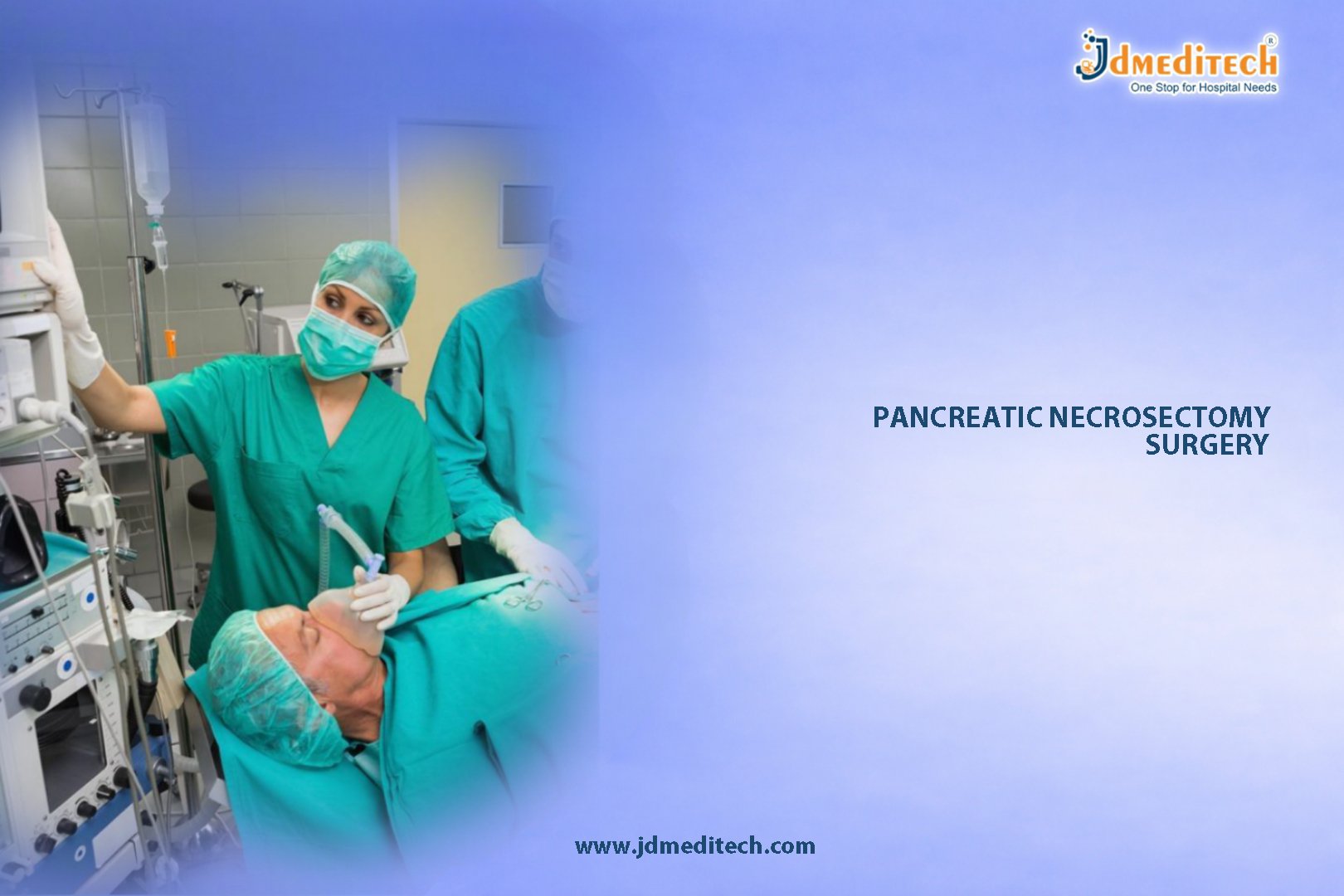
- Administration of anesthesia
- Access to the pancreas (open or minimally invasive)
- Removal of necrotic tissue
- Drainage of infected fluids
- Placement of drainage tubes
The goal of pancreatic necrosectomy is to eliminate infection and promote healing.
Benefits of Pancreatic Necrosectomy
- Removes infected and dead tissue
- Prevents sepsis and organ failure
- Improves survival rates
- Reduces inflammation and pain
- Supports faster recovery with minimally invasive techniques
Risks and Complications
Although pancreatic necrosectomy is life-saving, it may involve risks such as:
- Bleeding
- Infection
- Pancreatic fistula
- Organ dysfunction
- Delayed recovery in severe cases
Proper surgical expertise significantly reduces these risks.
Recovery After Pancreatic Necrosectomy
Recovery after pancreatic necrosectomy depends on the severity of the condition and surgical approach.
Postoperative Care Includes:
- ICU monitoring (in severe cases)
- Antibiotic therapy
- Nutritional support
- Drain management
Most patients gradually recover over weeks with proper medical care.
Why Choose Advanced Surgical Solutions?
Modern pancreatic necrosectomy techniques focus on minimally invasive approaches, ensuring:
- Reduced hospital stay
- Less postoperative pain
- Faster healing
- Better patient outcomes
Medical Equipment Used in Pancreatic Necrosectomy
High-quality surgical instruments play a crucial role in successful pancreatic necrosectomy procedures.
Conclusion
Pancreatic necrosectomy is a vital surgical intervention for managing pancreatic necrosis. With advancements in minimally invasive techniques, the procedure has become safer and more effective. Early diagnosis and timely pancreatic necrosectomy significantly improve patient survival and recovery outcomes.
Get Connected:
+91 79909 93062 | +91 63513 72032 | exports@jdmeditech.com