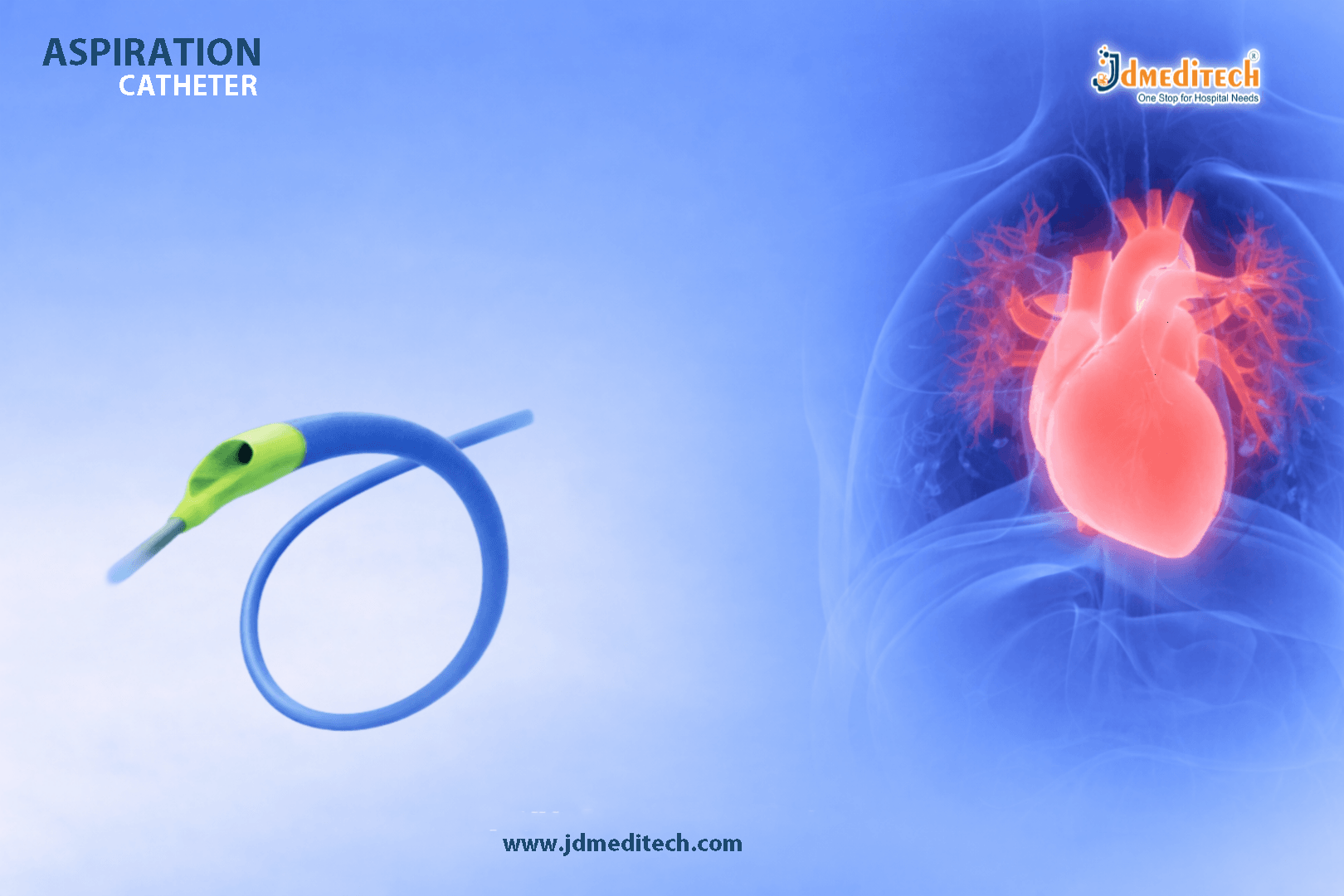
In modern interventional cardiology and vascular procedures, rapid and effective thrombus removal is critical to restoring blood flow and preventing life-threatening complications. The Aspiration Catheter is a specialized medical device engineered to deliver precise, controlled, and efficient thrombus aspiration during minimally invasive procedures.
Designed with advanced technology and clinician-focused features, an aspiration catheter for thrombus removal enhances procedural success, reduces complications, and improves patient outcomes.
What is an Aspiration Catheter?
An aspiration catheter is a flexible, hollow medical device used to remove blood clots (thrombus), debris, or embolic material from blood vessels during interventional procedures such as:
- Percutaneous Coronary Intervention (PCI)
- Peripheral vascular interventions
- Neurovascular thrombectomy procedures
The device works by applying negative pressure suction, allowing clinicians to safely extract unwanted material from the vascular system.
Key Features of Aspiration Catheter
1. High Suction Efficiency
The aspiration catheter is engineered with optimized lumen design, ensuring powerful and consistent suction for effective thrombus removal.
2. Flexible and Trackable Design
Its highly flexible shaft allows smooth navigation through tortuous vessels, improving accessibility to difficult anatomical regions.
3. Kink-Resistant Construction
The catheter maintains structural integrity even during complex procedures, ensuring uninterrupted performance.
4. Soft Atraumatic Tip
Designed to minimize vessel trauma, the soft tip enhances safety during insertion and aspiration.
5. Radiopaque Markers for Precision
Radiopaque markers provide excellent visibility under fluoroscopy, enabling accurate placement and control.
Benefits of Using an Aspiration Catheter
Using an aspiration catheter for vascular procedures offers multiple clinical and procedural advantages:
- Effective thrombus removal for improved blood flow
- Reduced risk of distal embolization
- Enhanced procedural precision
- Minimally invasive approach with faster recovery
- Improved patient outcomes and reduced complications
Applications of Aspiration Catheter
The aspiration catheter for thrombus removal is widely used in:
1. Coronary Interventions
Used during PCI to remove thrombus in coronary arteries and restore myocardial perfusion.
2. Peripheral Vascular Procedures
Helps clear blockages in peripheral arteries, improving circulation.
3. Neurovascular Procedures
Used in stroke management for removing clots from cerebral vessels.
Why Choose a High-Quality Aspiration Catheter?
Selecting a premium aspiration catheter ensures:
- Superior suction performance
- Smooth device handling
- Enhanced patient safety
- Reliable clinical outcomes
High-quality materials and precision engineering play a crucial role in achieving consistent and predictable results.
How Aspiration Catheter Improves Clinical Outcomes
The use of an aspiration catheter in thrombus removal significantly improves procedural efficiency by:
- Reducing clot burden before stenting
- Enhancing vessel visualization
- Lowering procedural time
- Minimizing complications
These factors collectively contribute to better long-term patient outcomes.
Maintenance and Handling Tips
To ensure optimal performance:
- Use under sterile conditions
- Follow manufacturer guidelines
- Avoid excessive bending or force
- Dispose of single-use devices properly
Conclusion
The Aspiration Catheter – Designed for Precision Thrombus Removal in Vascular Procedures is an essential tool in modern interventional medicine. With its advanced design, superior suction capability, and safety-focused features, it plays a vital role in improving procedural success and patient care.
Get Connected:
+91 79909 93062 | +91 63513 72032 | exports@jdmeditech.com