Biliary stents play a vital role in modern gastroenterology by providing effective solutions for bile duct obstruction. These small yet highly functional medical devices help restore bile flow, relieve symptoms, and improve patient outcomes. As minimally invasive treatment options gain popularity, biliary stents have become an indispensable tool in both diagnostic and therapeutic procedures.
What Are Biliary Stents?
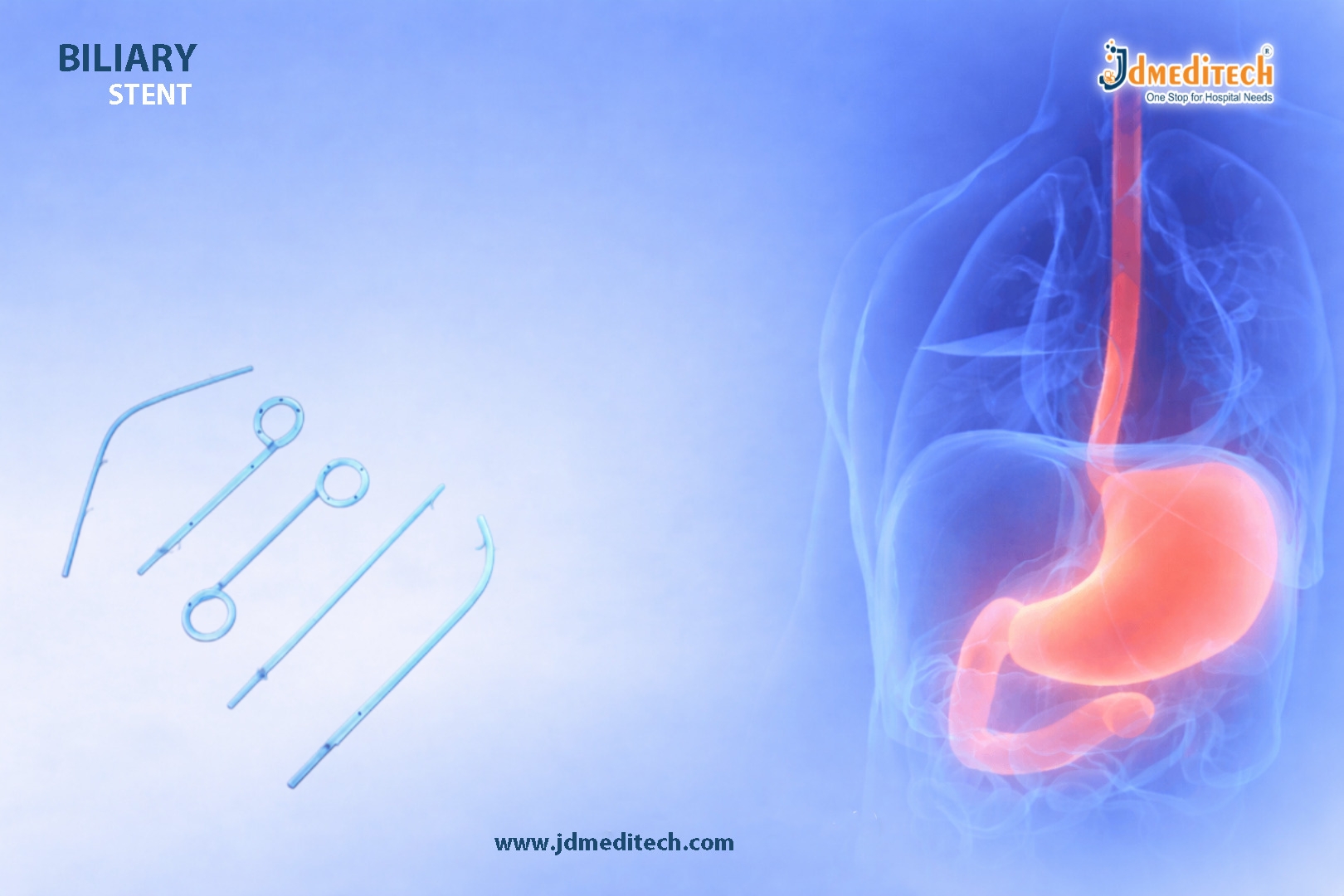
Biliary stents are small tubular devices inserted into the bile duct to maintain or restore proper bile flow from the liver to the small intestine. They are typically placed during endoscopic procedures such as ERCP (Endoscopic Retrograde Cholangiopancreatography).
There are two main types of biliary stents:
- Plastic Biliary Stents– Cost-effective and suitable for short-term use
- Metal Biliary Stents (Self-Expandable Metal Stents – SEMS) – Durable and ideal for long-term placement
Applications of Biliary Stents in Gastroenterology
1. Management of Biliary Obstruction
Biliary stents are widely used to relieve obstruction caused by gallstones, tumors, or strictures. They help restore normal bile flow and prevent complications.
2. Treatment of Malignant Conditions
In patients with pancreatic cancer or cholangiocarcinoma, biliary stents provide palliative care by reducing jaundice and improving quality of life.
3. Benign Biliary Strictures
Biliary stents are effective in managing benign strictures resulting from surgery, inflammation, or injury.
4. Post-Surgical Support
After hepatobiliary surgeries, biliary stents help maintain duct patency and support healing.
5. Management of Bile Leaks
Biliary stents assist in diverting bile flow, allowing leaks to heal naturally.
Benefits of Biliary Stents
1. Minimally Invasive Treatment
Biliary stents can be placed endoscopically, reducing the need for open surgery and lowering patient risk.
2. Immediate Symptom Relief
Patients experience rapid improvement in symptoms such as jaundice, itching, and abdominal discomfort.
3. Improved Quality of Life
Especially in cancer patients, biliary stents significantly enhance comfort and daily functioning.
4. Cost-Effective Solution
Plastic stents offer an affordable option, while metal stents reduce the need for frequent replacements.
5. Reduced Complications
By restoring bile flow, biliary stents help prevent infections like cholangitis and liver damage.
Procedure Overview
The placement of biliary stents is commonly performed using ERCP:
- Endoscope insertion through the mouth to the duodenum
- Identification of bile duct obstruction
- Guidewire placement across the blockage
- Deployment of the biliary stent
This procedure is generally safe and performed under sedation.
Potential Risks and Considerations
While biliary stents are highly effective, some risks may include:
- Stent occlusion or blockage
- Infection (cholangitis)
- Migration of the stent
- Need for replacement (especially plastic stents)
Proper follow-up and timely replacement are essential for optimal outcomes.
Choosing the Right Biliary Stent
The selection of biliary stents depends on:
- Nature of the obstruction (benign or malignant)
- Duration of required stenting
- Patient condition and prognosis
- Cost considerations
Healthcare providers carefully evaluate these factors to ensure the best treatment approach.
Conclusion
Biliary stents have revolutionized the management of biliary disorders in gastroenterology. Their ability to provide quick, minimally invasive relief makes them a preferred choice for clinicians worldwide. From managing obstructions to improving patient quality of life, biliary stents continue to play a critical role in modern digestive healthcare.
Get Connected:
+91 79909 93062 | +91 63513 72032 | exports@jdmeditech.com