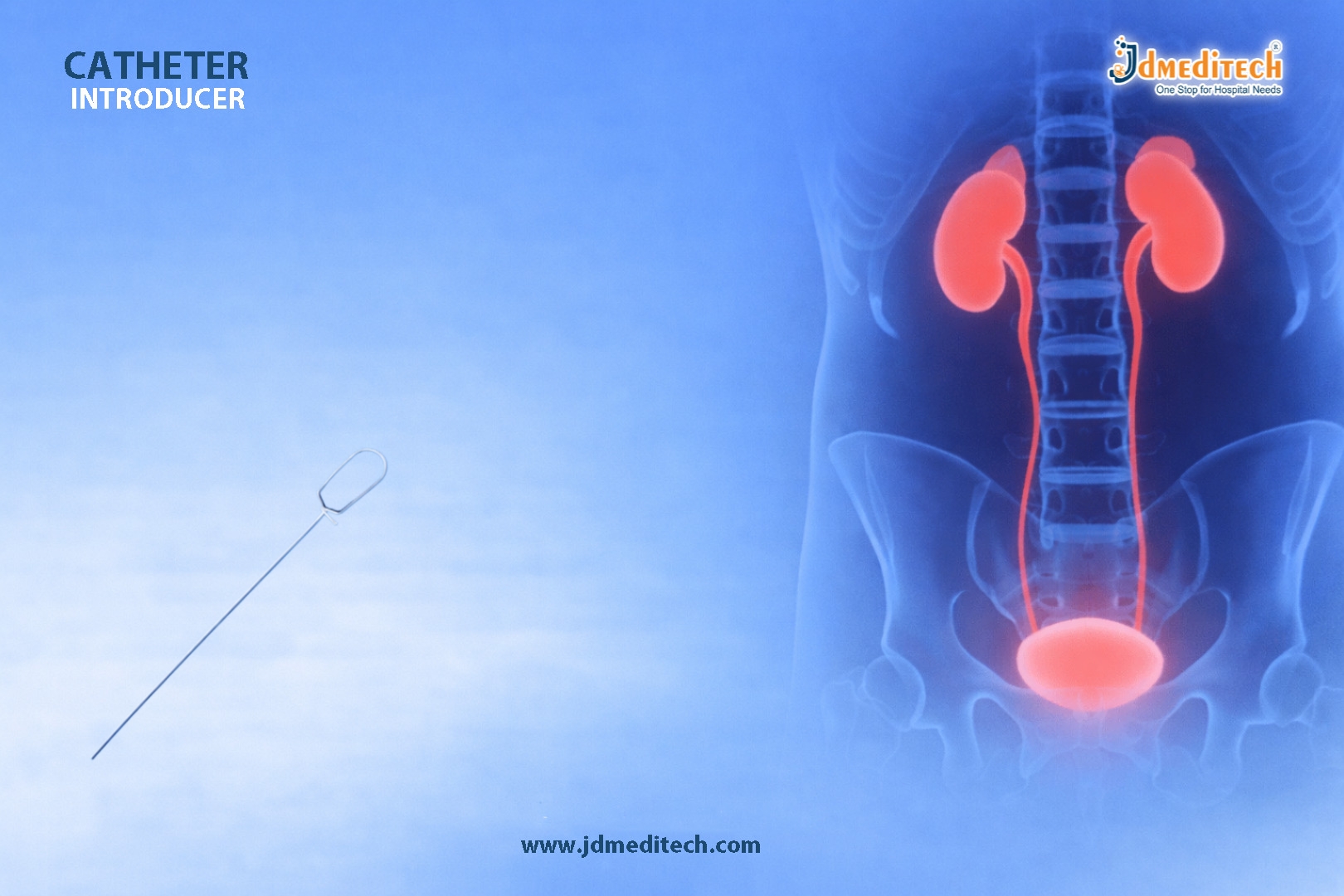
In modern interventional and diagnostic procedures, achieving safe and reliable vascular access is critical. A catheter introducer plays a key role by providing a controlled entry point into blood vessels. It improves procedural efficiency while minimizing complications.
Healthcare professionals rely on this device to ensure smooth catheter insertion, reduce trauma, and maintain sterility. As a result, it has become an essential component in cardiology, radiology, and critical care.
What is a Catheter Introducer?
A catheter introducer is a medical device designed to facilitate the insertion of catheters into blood vessels. It typically consists of:
- Introducer sheath
- Dilator
- Hemostatic valve
- Side port for fluid management
Together, these components create a secure and controlled pathway for catheter placement.
Key Features of a Catheter Introducer
1. Smooth Vessel Entry
The dilator ensures gradual vessel expansion. Therefore, it reduces trauma during insertion.
2. Hemostatic Valve System
The valve prevents blood leakage. At the same time, it maintains a clean working environment.
3. Kink-Resistant Sheath
Manufacturers design the sheath for flexibility and strength. As a result, it maintains integrity during complex procedures.
4. Radiopaque Markers
These markers enhance visibility under imaging. Consequently, clinicians can achieve precise placement.
5. Side Port Access
The side port allows fluid infusion or pressure monitoring without interrupting the procedure.
Clinical Applications
A catheter introducer is widely used across various medical specialties:
- Cardiology : Angiography, angioplasty, and stenting
- Interventional Radiology : Image-guided vascular procedures
- Critical Care : Central venous access
- Nephrology : Dialysis catheter placement
- Emergency Medicine : Rapid vascular access
Because of its versatility, it supports both routine and complex interventions.
Benefits of Using a Catheter Introducer
Enhanced Safety
The device minimizes vessel trauma and reduces the risk of complications.
Improved Control
Clinicians gain better handling during catheter insertion.
Reduced Blood Loss
The hemostatic valve effectively controls bleeding.
Time Efficiency
Procedures become faster due to smooth catheter navigation.
Versatility
It accommodates a wide range of catheter sizes and procedures.
Why Choose a High-Quality Catheter Introducer?
Not all devices deliver the same performance. A high-quality catheter introducer ensures:
- Consistent performance
- Reliable vascular access
- Enhanced patient safety
- Compatibility with advanced procedures
Choosing a trusted manufacturer also guarantees adherence to international quality standards.
Best Practices for Safe Use
To achieve optimal results, clinicians should follow these guidelines:
- Select the appropriate size and type
- Maintain strict aseptic technique
- Use imaging guidance when required
- Monitor for complications such as bleeding or infection
- Dispose of single-use devices properly
Following these steps improves both safety and outcomes.
Future Trends in Catheter Introducer Design
Medical technology continues to evolve. Modern catheter introducers now feature:
- Advanced biocompatible materials
- Improved hemostatic valve designs
- Enhanced flexibility and trackability
- Reduced profile for minimally invasive procedures
These innovations aim to further improve patient comfort and procedural success.
Conclusion
A catheter introducer remains a cornerstone in achieving safe and controlled vascular access. It enhances precision, reduces complications, and supports a wide range of procedures.
As healthcare advances, the demand for high-performance introducers will continue to grow. Therefore, selecting the right device is essential for both clinicians and patients.
Get Connected:
+91 79909 93062 | +91 63513 72032 | exports@jdmeditech.com