Circumcision is a common surgical procedure in which the foreskin—the fold of skin covering the tip of the penis—is removed. It can be performed for medical, cultural, religious, or personal reasons. The surgery is usually quick and safe, and it can be done for newborns, children, and adults.
What Is Circumcision?
Circumcision is a minor surgical procedure that involves removing the foreskin from the glans (head) of the penis. The foreskin is a natural layer of skin that provides protection and lubrication. In some cases, it becomes tight or infected, leading to medical issues that may require circumcision.
Why Is Circumcision Done?
Circumcision may be recommended for:
-
Medical Reasons
- Phimosis – The foreskin becomes too tight and cannot be pulled back.
- Recurrent Infections – Frequent foreskin or urinary infections.
- Balanitis—Inflammation of the penis due to trapped bacteria.
- Poor Hygiene – Difficulty cleaning under the foreskin.
-
Cultural & Religious Reasons
Circumcision is a part of many cultural and religious traditions followed around the world.
-
Personal Preference
Some adults choose circumcision for hygiene, appearance, or sexual comfort.
How Is Circumcision Performed?
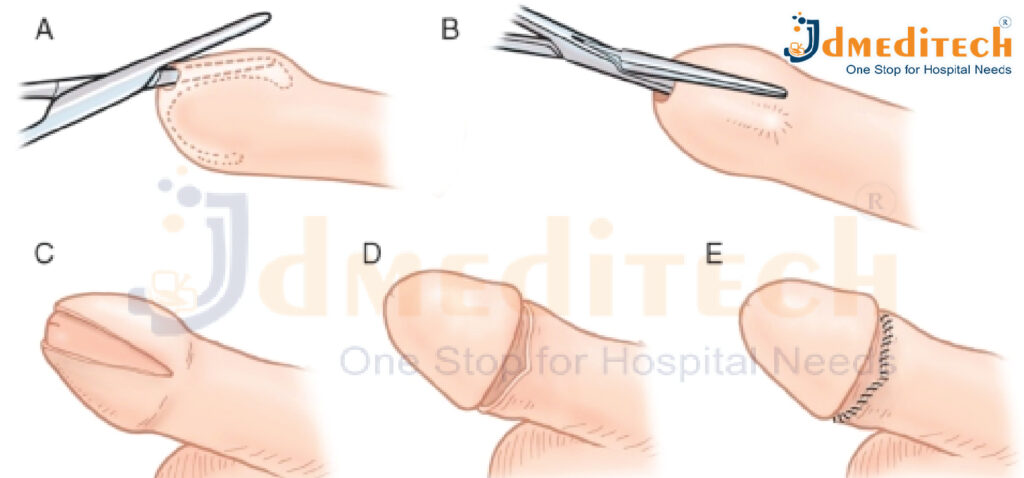
Circumcision is typically a short procedure. The steps may vary depending on age:
-
For Babies
- Performed under local anesthesia.
- A special clamp or device is used to safely remove the foreskin.
- Takes around 10–15 minutes.
-
For Children & Adults
- Performed under local or general anesthesia.
- The surgeon carefully removes the foreskin using surgical instruments.
- Dissolvable stitches are used.
- The procedure takes 30–45 minutes.
What are the benefits of circumcision?
Circumcision has several benefits. Not only does it help aspects of penis health, but it can improve hygiene. That’s because a circumcised penis is simpler to clean and wash, especially for children.
The specific health benefits of circumcision include a lower risk of:
- Certain penis conditions: · These penile disorders include balanoposthitis (inflammation of the glans and foreskin), paraphimosis, and phimosis, when the foreskin gets stuck out of place.
- Cervical cancer for partners: Female sex partners of circumcised men are less likely to get cervical cancer.
- Penile cancer: Men who had circumcisions are less likely to get cancer of the penis.
- Sexually transmitted infections: Men who have had circumcision have a lower risk of certain STIs, including HIV.
- Urinary tract infections: UTIs are more common in uncircumcised males.
Conclusion
Circumcision is a safe, widely performed procedure with proven medical and hygiene benefits. Whether done for medical, cultural, or personal reasons, it can help prevent infections, improve comfort, and enhance overall penile health. With proper care and guidance from a qualified surgeon, recovery is usually quick and smooth.