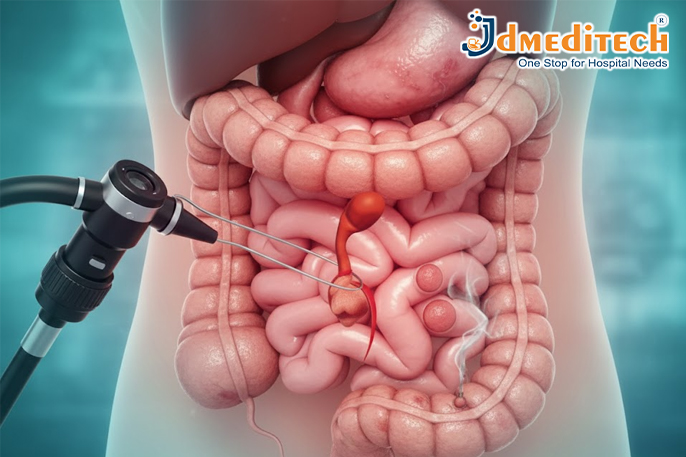
A colonoscopy is a medical procedure used to examine the large intestine (colon) and rectum from the inside. It helps doctors detect problems like polyps, inflammation, bleeding, ulcers, or early signs of colorectal cancer.
How is virtual colonoscopy different from colonoscopy?
A colonoscopy is a procedure in which a doctor uses a flexible tube with a camera to examine the inside of the large intestine for polyps, inflammation, bleeding, or cancer. A virtual colonoscopy, on the other hand, uses CT scan images to create a 3D view of the colon without inserting a scope. Unlike a traditional colonoscopy, a virtual colonoscopy cannot remove polyps or take biopsies and is mainly used for screening.
Why do doctors use colonoscopy?
Doctors use colonoscopy because it is the most reliable way to check the health of the colon and rectum. It helps in both diagnosing and preventing diseases.
Main reasons doctors use colonoscopy
-
To find the cause of symptoms
- Blood in stool
- Persistent abdominal pain
- Chronic diarrhea or constipation
- Sudden changes in bowel habits
- Unexplained weight loss
-
To screen for colorectal cancer
- Recommended after age 45 (earlier if high-risk).
- Helps detect cancer early when it is easiest to treat.
-
To remove polyps
- Polyps can turn into cancer over time.
- During colonoscopy, they can be removed immediately.
-
To diagnose diseases
- Inflammatory bowel diseases (IBD) like Crohn’s disease or ulcerative colitis
- Diverticulosis or diverticulitis
- Infections or ulcers
-
To take biopsies
- Small tissue samples can be collected for accurate diagnosis.
-
To treat certain problems
- Stop bleeding
- Remove foreign bodies
- Dilate narrowed areas of the colon
How do doctors perform a colonoscopy?
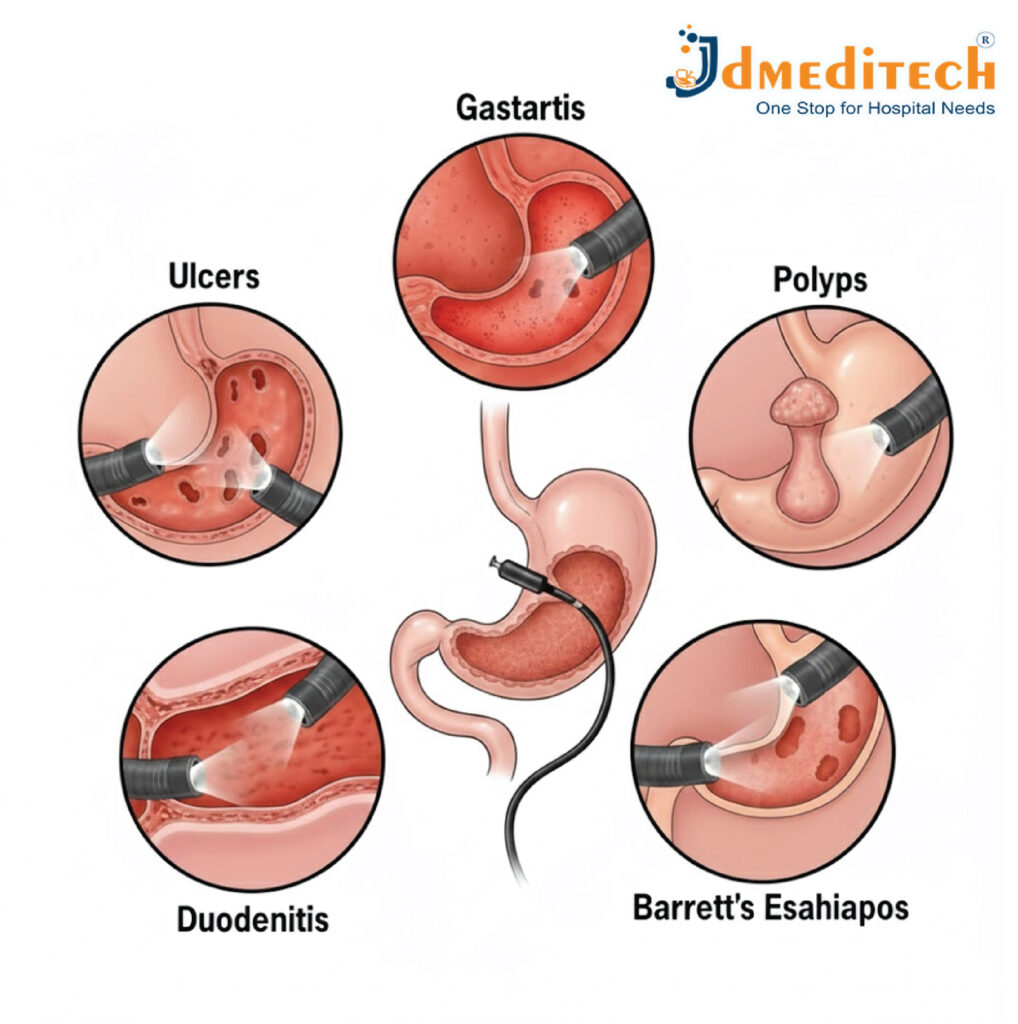
During a colonoscopy, the doctor gently inserts a long, flexible tube called a colonoscope through the rectum to examine the entire large intestine. The scope has a tiny camera and light that display real-time images on a monitor. Air or carbon dioxide is used to slightly inflate the colon for better visibility. As the scope moves through the colon, the doctor can look for polyps, inflammation, bleeding, or other abnormalities. If needed, the doctor can remove polyps, take tissue biopsies, or treat bleeding during the same procedure. Most patients receive sedation, making the process comfortable and usually painless.
What are the risks of colonoscopy?
- bleeding
- perforation of the colon
- a reaction to the sedative, including breathing or heart problems
- severe pain in your abdomen
- death, although this risk is rare
Colonoscopy is generally safe, but like any medical procedure, it carries some risks. These may include bleeding, especially if a polyp is removed; perforation (a small tear in the colon); reactions to sedatives; infection; and, rarely, complications from existing health conditions. Most complications are uncommon, and doctors take precautions to minimize them.
Conclusion
A colonoscopy is a safe and essential procedure for maintaining colon health. It not only helps detect and prevent serious conditions like colorectal cancer but also allows for the treatment of certain problems during the same procedure. Regular screenings and timely checkups can play a crucial role in ensuring a healthy digestive system.