Cystoscopy: A Complete Guide to Procedure, Uses, and Recovery
Introduction
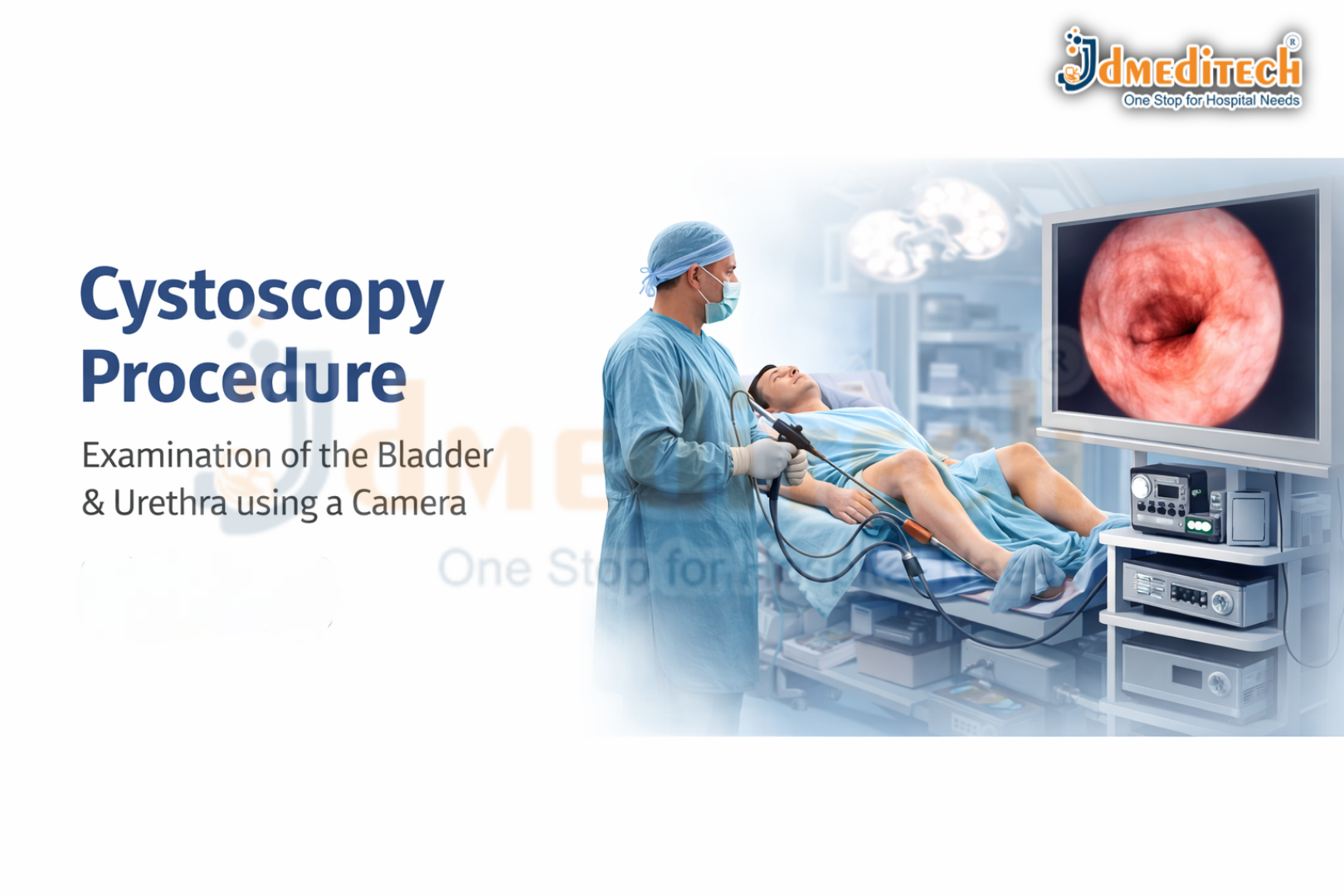
Cystoscopy is a common medical procedure used to examine the inside of the bladder and urethra. It helps doctors diagnose, monitor, and treat various urinary tract conditions. With advancements in medical technology, cystoscopy has become safer, quicker, and more comfortable for patients.
In this blog, we will explain everything you need to know about cystoscopy, including why it is performed, how the procedure works, preparation, risks, and recovery.
What is Cystoscopy?
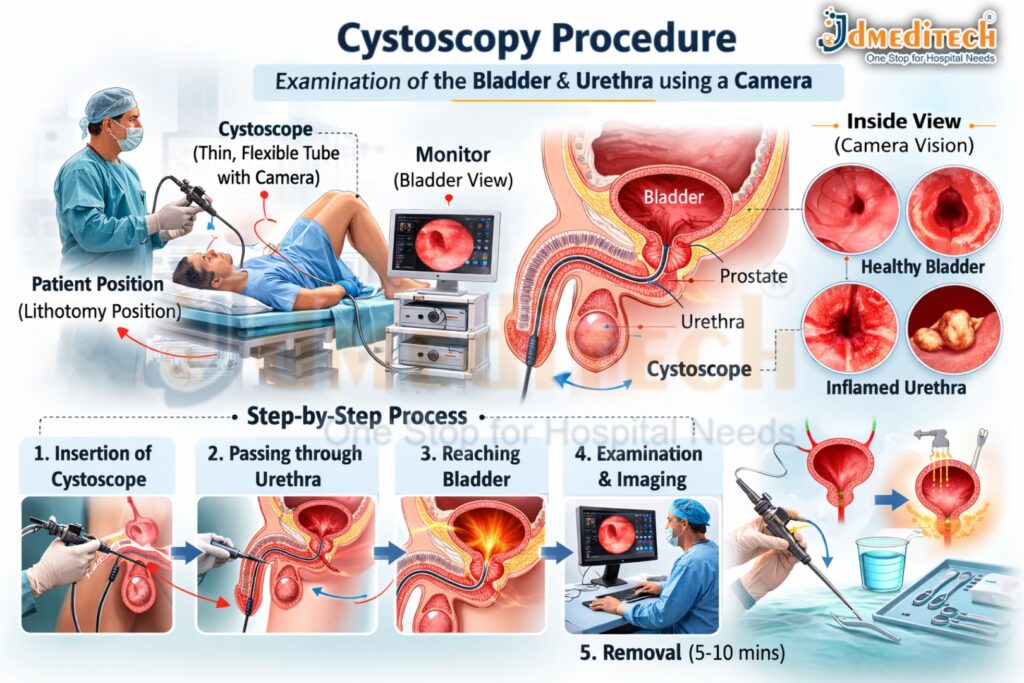
Cystoscopy is a diagnostic and sometimes therapeutic procedure in which a doctor uses a thin tube with a camera and light, called a cystoscope, to view the inside of the urethra and bladder.
There are two types of cystoscopes:
- Flexible cystoscope – Thin and bendable, usually used for diagnostic purposes.
- Rigid cystoscope – Slightly thicker and straight, often used for surgical procedures.
Why is Cystoscopy Done?
Cystoscopy is recommended for several urinary tract conditions, including:
1. Diagnosing Problems
- Blood in urine (hematuria)
- Frequent urinary tract infections (UTIs)
- Painful urination
- Difficulty in passing urine
- Overactive bladder symptoms
2. Detecting Diseases
- Bladder cancer
- Bladder stones
- Urethral strictures
- Enlarged prostate (in men)
3. Treatment Purposes
- Removing small bladder tumors
- Taking biopsy samples
- Removing stones
- Placing stents in ureters
How is Cystoscopy Performed?
The procedure is usually done in a clinic or hospital and typically takes 5–20 minutes for diagnostic purposes.
Step-by-Step Procedure:
- The patient lies on the examination table.
- The genital area is cleaned and sterilized.
- A local anesthetic gel is applied to the urethra.
- The cystoscope is gently inserted into the urethra and advanced into the bladder.
- Sterile water or saline is used to fill the bladder for better visibility.
- The doctor examines the bladder lining and may take samples if needed.
In some cases, spinal or general anesthesia may be used, especially for rigid cystoscopy.
Preparation for Cystoscopy
Proper preparation helps ensure a smooth procedure.
- You may be asked to give a urine sample before the test.
- Inform your doctor about medications you are taking.
- Antibiotics may be prescribed to prevent infection.
- In most cases, fasting is not required (unless general anesthesia is planned).
What to Expect After the Procedure
After cystoscopy, patients can usually go home the same day.
Common Symptoms:
- Mild burning sensation while urinating
- Slight blood in urine
- Increased frequency of urination
These symptoms usually resolve within 24–48 hours.
Recovery Tips:
- Drink plenty of water
- Avoid strenuous activity for 24 hours
- Take prescribed medications if advised
Risks and Complications
- Urinary tract infection (UTI)
- Bleeding
- Bladder irritation
- Rarely, injury to the urethra or bladder
Contact your doctor if you experience:
- Persistent heavy bleeding
- Fever or chills
- Severe pain
- Difficulty urinating
Benefits of Cystoscopy
- Accurate diagnosis of urinary problems
- Minimally invasive procedure
- Quick recovery time
- Can be used for both diagnosis and treatment
Conclusion
Cystoscopy is a valuable and widely used procedure in urology that allows doctors to directly examine the urinary tract. Whether for diagnosis or treatment, it plays a crucial role in managing bladder and urethral conditions effectively.
If you are experiencing urinary symptoms, consult a urologist to determine whether cystoscopy is the right option for you.
Get Connected:
+91 79909 93062 | +91 63513 72032 | exports@jdmeditech.com