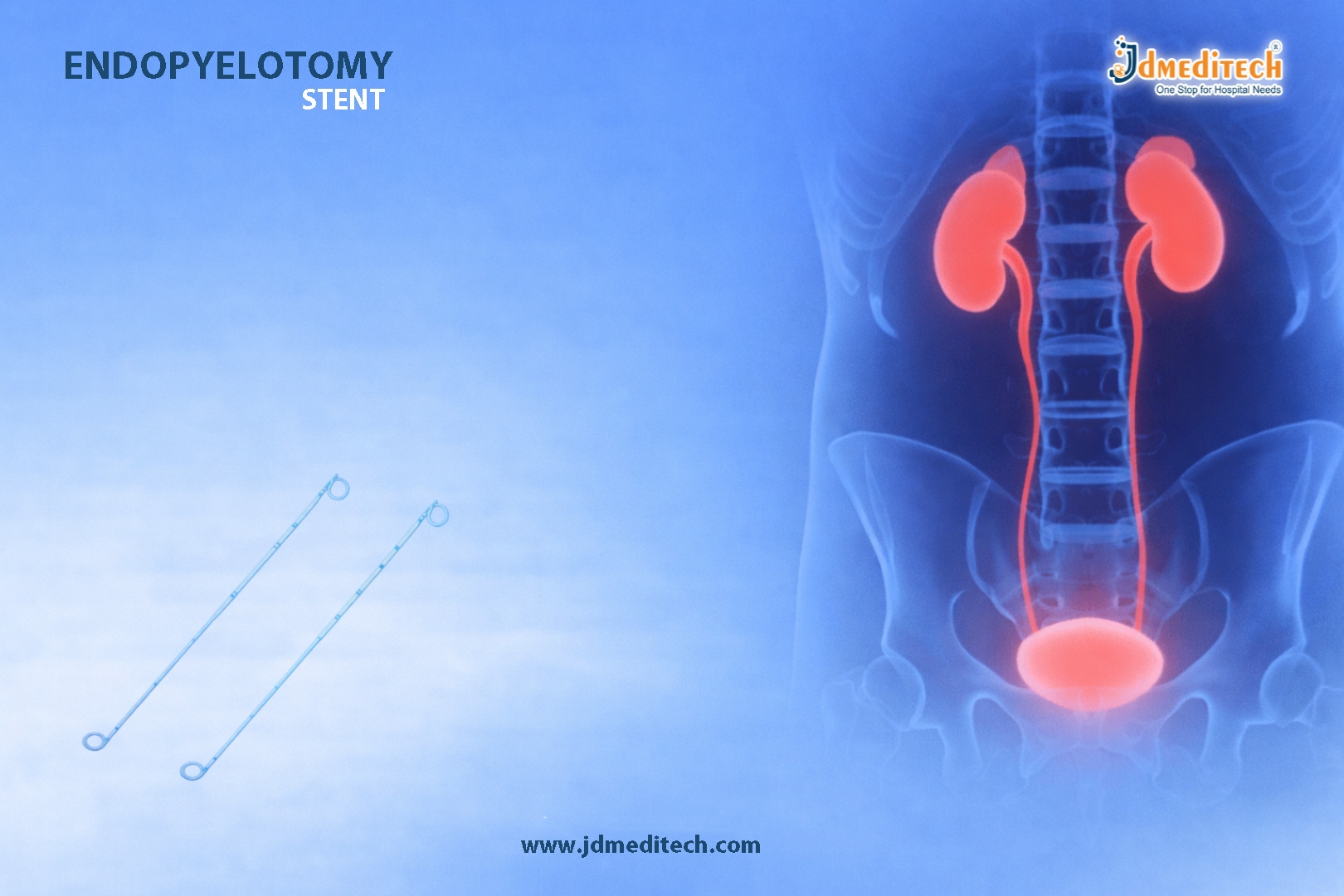
The Endopyelotomy Stent plays a crucial role in modern urological procedures, particularly in the management of ureteropelvic junction (UPJ) obstruction. Designed to provide internal drainage and structural support after endopyelotomy, this specialized stent ensures proper healing and maintains patency of the urinary tract.
With advancements in minimally invasive urology, endopyelotomy stents have become indispensable tools for urologists seeking reliable postoperative outcomes.
What is an Endopyelotomy Stent?
An Endopyelotomy Stent is a specially designed ureteral stent used after performing an endopyelotomy, a minimally invasive procedure to treat UPJ obstruction.
Unlike conventional stents, this device features:
- A tailored design for precise placement
- Enhanced lumen for efficient urine drainage
- Structural support to aid healing of the incision site
It helps maintain the opening between the renal pelvis and ureter, preventing restenosis during recovery.
Understanding UPJ Obstruction and Its Treatment
What is UPJ Obstruction?
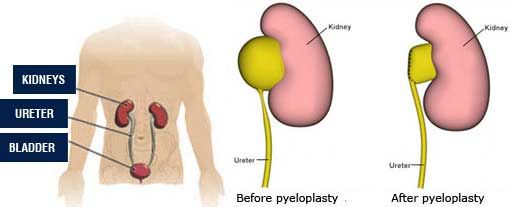
UPJ obstruction occurs when there is a blockage at the junction where the kidney meets the ureter. This condition can lead to:
- Hydronephrosis (kidney swelling)
- Flank pain
- Recurrent infections
- Impaired kidney function
Role of Endopyelotomy
Endopyelotomy involves making an incision at the obstructed segment to restore urine flow. However, maintaining the patency of this incision is critical—this is where the Endopyelotomy Stent for UPJ Repair becomes essential.
Key Features of Endopyelotomy Stents
1. Optimized Length and Design
The stent is longer and specifically shaped to span the renal pelvis and ureter, ensuring complete support across the UPJ.
2. Multiple Drainage Holes
Strategically placed side holes allow continuous urine drainage, reducing pressure buildup.
3. High-Quality Biocompatible Material
Typically made from polyurethane or silicone, these stents offer:
- Flexibility
- Reduced irritation
- Long-term compatibility
4. Radiopaque Markers
These enable precise placement and easy visualization under fluoroscopy.
5. Anti-Migration Design
Pigtail or coil ends prevent displacement during the healing phase.
Benefits of Using an Endopyelotomy Stent for UPJ Repair
Using an Endopyelotomy Stent for UPJ Repair provides several clinical advantages:
- Maintains ureteral patency after incision
- Promotes faster and safer healing
- Reduces risk of restenosis
- Ensures continuous urine drainage
- Minimizes postoperative complications
Procedure Overview
Step-by-Step Use
- Diagnosis and Imaging
UPJ obstruction is confirmed via ultrasound, CT scan, or IVP. - Endopyelotomy Procedure
The obstructed segment is incised using endoscopic tools. - Stent Placement
The endopyelotomy stent is inserted across the UPJ. - Postoperative Monitoring
The stent remains in place for several weeks to support healing. - Stent Removal
After adequate healing, the stent is removed endoscopically.
Clinical Applications
The Endopyelotomy Stent is widely used in:
- Treatment of primary UPJ obstruction
- Management of recurrent UPJ strictures
- Postoperative support following endopyelotomy procedures
- Selected cases of failed pyeloplasty
Why Choose High-Quality Endopyelotomy Stents?
Choosing a high-quality stent ensures:
- Better patient comfort
- Reduced encrustation risk
- Improved procedural success rates
- Reliable long-term outcomes
At JDMeditech, we focus on delivering precision-engineered urology devices that meet global standards.
Best Practices for Stent Management
To achieve optimal results:
- Monitor patients regularly for complications
- Ensure timely stent removal
- Use appropriate stent size and length
- Maintain strict sterile protocols
Conclusion
The Endopyelotomy Stent for UPJ Repair is a vital component in the successful management of ureteropelvic junction obstruction. By providing consistent drainage and structural support, it significantly enhances healing outcomes after endopyelotomy.
As minimally invasive techniques continue to evolve, the role of advanced stenting solutions will only become more critical in ensuring patient safety and procedural success.
Get Connected:
+91 79909 93062 | +91 63513 72032 | exports@jdmeditech.com