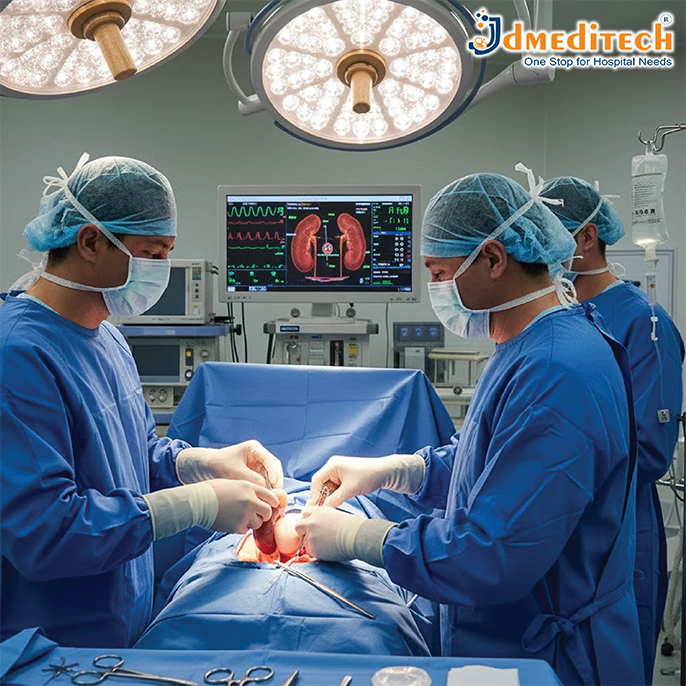
A kidney transplant is considered one of the most effective treatment options for people suffering from advanced kidney failure or End-Stage Kidney Disease (ESKD). Unlike dialysis, which only performs a part of kidney function artificially, a transplant replaces the damaged kidney with a healthy, functioning donor kidney. This offers patients a chance to live a healthier, longer, and more active life. Understanding how kidney transplantation works, its benefits, risks, and post-surgery expectations can help patients and families make confident, informed decisions. Here are the most important facts you should know about kidney transplantation.
1. What is a kidney transplant?
A kidney transplant is a surgical procedure in which a healthy kidney from a donor is implanted into a recipient whose kidneys are no longer functioning properly. The donated kidney may come from:
• A living donor: usually a close family member or a compatible volunteer.
• A deceased donor: a person who has donated organs after death.
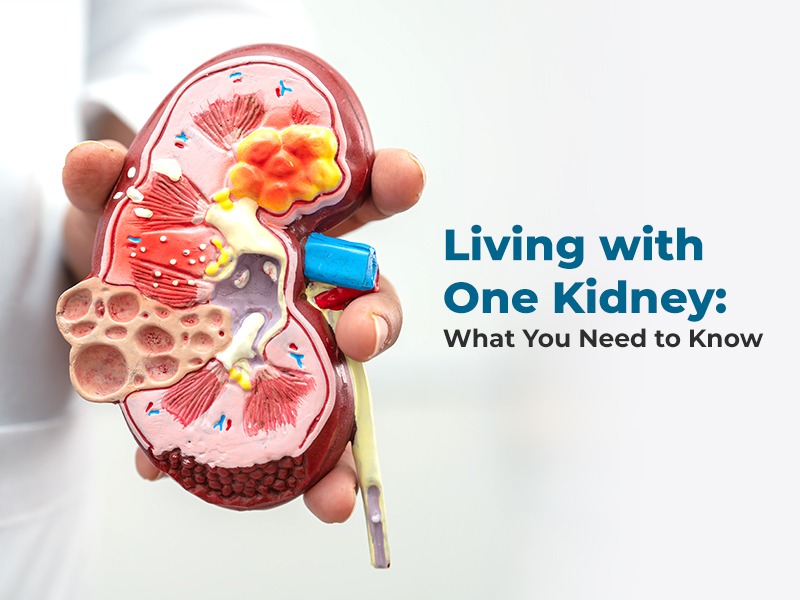
One remarkable fact is that a person can live a perfectly healthy life with just one kidney, making living donation possible and safe in most cases.
2. Why a Kidney Transplant is Needed
A transplant is generally recommended for patients with Chronic Kidney Disease (CKD) Stage 5, when the kidneys lose 85–90% of their ability to function. Common causes of kidney failure include:
• Diabetes and high blood pressure
• Polycystic kidney disease (PKD)
• Glomerulonephritis
• Severe urinary tract abnormalities
• Autoimmune disorders such as lupus
• Long-term kidney infections or obstruction
When the kidneys fail, harmful waste builds up in the body, leading to life-threatening complications. A transplant restores kidney function and drastically improves overall health.
3. Benefits of Kidney Transplant Over Dialysis
A kidney transplant often provides better results than lifelong dialysis. Some key benefits include:
✔ Improved Quality of Life
Patients feel more energetic, active, and free from the limitations of dialysis appointments.
✔ Longer Life Expectancy
Transplant recipients generally live longer compared to those on long-term dialysis.
✔ Freedom in Lifestyle
Patients can travel, work, and enjoy daily activities without the need for regular dialysis.
✔ Fewer Dietary Restrictions
Food and fluid limitations become significantly relaxed after transplant surgery.
✔ Better Overall Health
A functioning kidney helps regulate blood pressure, red blood cell production, and waste removal more efficiently.
8. Life After Kidney Transplant
Life after a kidney transplant can be fulfilling and active. With the right lifestyle choices:
• A transplanted kidney can last 10–20 years or even longer.
• Patients can enjoy sports, travel, work, and everyday activities.
• Maintaining a healthy diet, exercising regularly, and taking medications on time are essential.
• Avoiding smoking and controlling blood pressure help extend the life of the transplanted kidney.
Regular medical follow-up ensures that the kidney stays healthy and functions properly for many years.
Conclusion
A kidney transplant gives patients with severe kidney disease a new chance at life. It offers freedom from dialysis, better health, and improved well-being. Understanding the complete process—from donor selection to surgery and long-term care—helps patients feel more…
Get Connected:
+91 79909 93062 | +91 63513 72032 | exports@jdmeditech.com