In modern urology, precision and minimal invasiveness are essential. The Flexible Ureteroscope plays a critical role in diagnosing and treating urinary tract conditions with unmatched accuracy. Designed to navigate complex anatomical pathways, this advanced instrument allows urologists to access the kidney and ureter efficiently while ensuring patient safety.
With innovations in optics and maneuverability, the Flexible Ureteroscope has become a cornerstone in advanced endourology procedures.
What is a Flexible Ureteroscope?
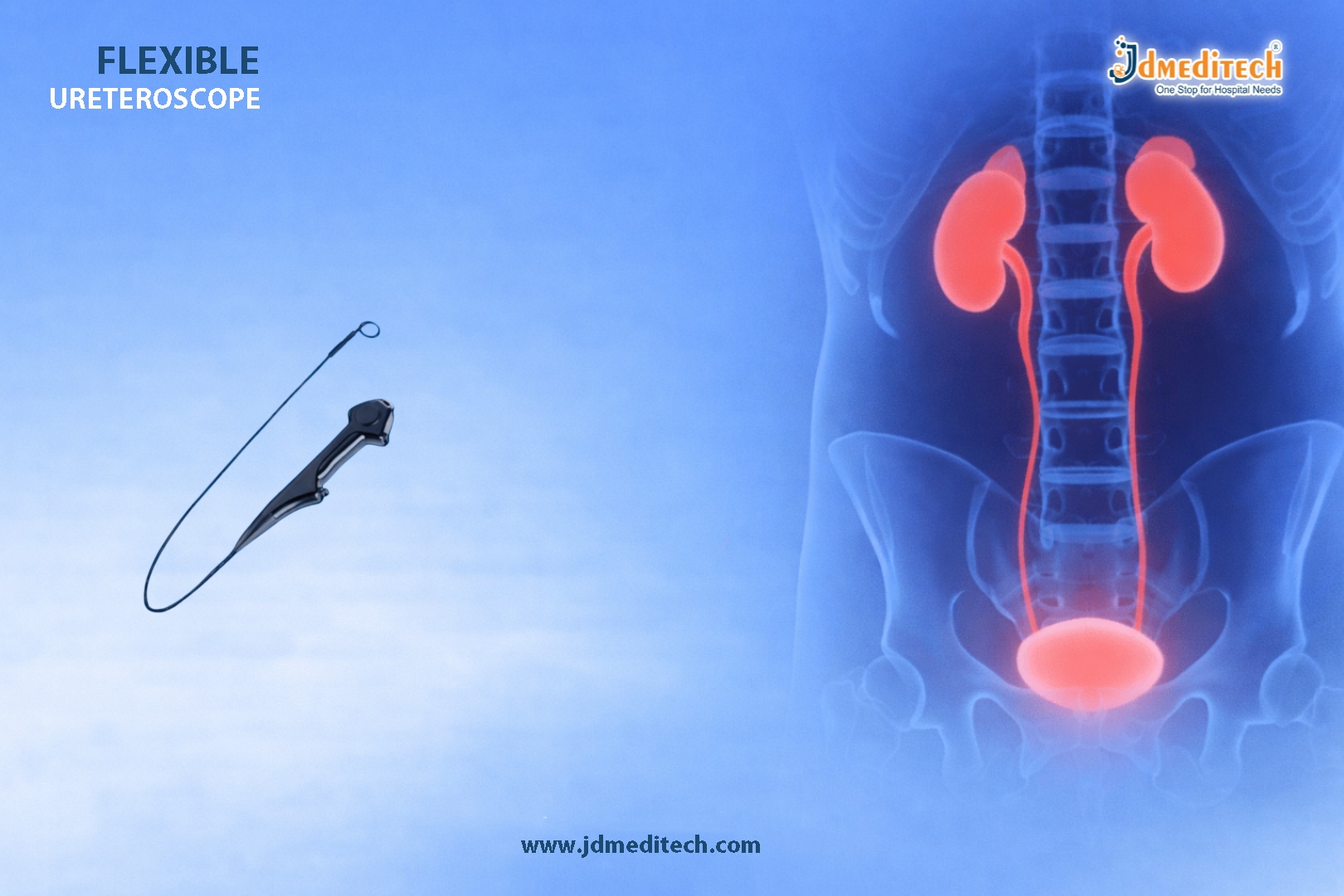
A Flexible Ureteroscope is a thin, highly maneuverable endoscopic instrument used to visualize and treat conditions within the urinary tract, particularly the ureter and kidney. Unlike rigid scopes, it offers superior flexibility, enabling smooth navigation through narrow and curved pathways.
It is commonly used in procedures such as:
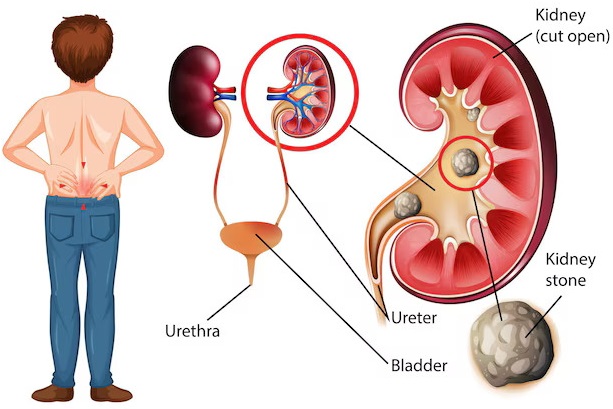
- Kidney stone removal (RIRS – Retrograde Intrarenal Surgery)
- Tumor diagnosis and biopsy
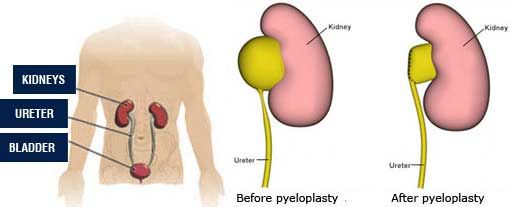
- Ureteral strictures evaluation
- Laser lithotripsy procedures
Key Features of Flexible Ureteroscope
1. Superior Flexibility
The Flexible Ureteroscope can bend in multiple directions, allowing access to even the most difficult areas of the kidney.
2. High-Definition Visualization
Advanced fiber-optic or digital imaging systems provide clear and detailed views, improving diagnostic accuracy.
3. Lightweight & Ergonomic Design
Designed for ease of handling, it reduces operator fatigue during prolonged procedures.
4. Enhanced Deflection Mechanism
Dual-direction deflection ensures better control and precise navigation.
5. Compatibility with Accessories
Supports the use of laser fibers, baskets, and guidewires for comprehensive treatment.
Applications in Endourology
The Flexible Ureteroscope is widely used in advanced urological procedures, including:
Kidney Stone Management
It is essential for retrograde intrarenal surgery (RIRS), enabling effective stone fragmentation and removal.
Tumor Diagnosis
Provides clear visualization for detecting urothelial tumors and performing biopsies.
Treatment of Ureteral Strictures
Helps assess and manage narrowing within the ureter.
Laser Lithotripsy
Facilitates precise targeting and fragmentation of stones using laser technology.
Benefits of Using Flexible Ureteroscope
- Minimally Invasive Procedure
- Reduced Patient Recovery Time
- Lower Risk of Complications
- Improved Surgical Precision
- Enhanced Access to Complex Anatomy
The Flexible Ureteroscope significantly improves patient outcomes while maintaining procedural efficiency.
Why Choose a High-Quality Flexible Ureteroscope?
Selecting a high-quality Flexible Ureteroscope ensures:
- Long-lasting durability
- Superior imaging performance
- Reliable deflection and control
- Compatibility with modern urological tools
Healthcare providers benefit from consistent performance and reduced maintenance costs.
Maintenance and Care
Proper care extends the lifespan of the Flexible Ureteroscope:
- Clean immediately after use
- Use appropriate disinfectants or sterilization methods
- Avoid excessive bending during handling
- Store in a protective case
Regular maintenance ensures optimal performance and safety.
Future Trends in Flexible Ureteroscopy
Technological advancements continue to enhance the Flexible Ureteroscope, including:
- Digital ureteroscopes with improved imaging
- Single-use disposable scopes to reduce infection risk
- Enhanced durability and deflection systems
- Integration with AI-assisted imaging
These innovations are shaping the future of endourology.
Conclusion
The Flexible Ureteroscope is a vital tool in modern urology, combining flexibility, precision, and clarity for advanced procedures. Its ability to navigate complex anatomy and deliver high-quality visualization makes it indispensable for effective diagnosis and treatment.
As technology evolves, the Flexible Ureteroscope will continue to redefine standards in minimally invasive urological care.
Get Connected:
+91 79909 93062 | +91 63513 72032 | exports@jdmeditech.com