Hemodialysis is a life-saving treatment for people with severe kidney failure. When kidneys stop working properly, harmful waste and excess fluid build up in the body. Therefore, hemodialysis helps remove these toxins and keeps the body balanced.
Today, millions of patients rely on hemodialysis treatment to improve their quality of life. In this guide, you will learn how it works, who needs it, and what to expect during the procedure.
What is Hemodialysis?
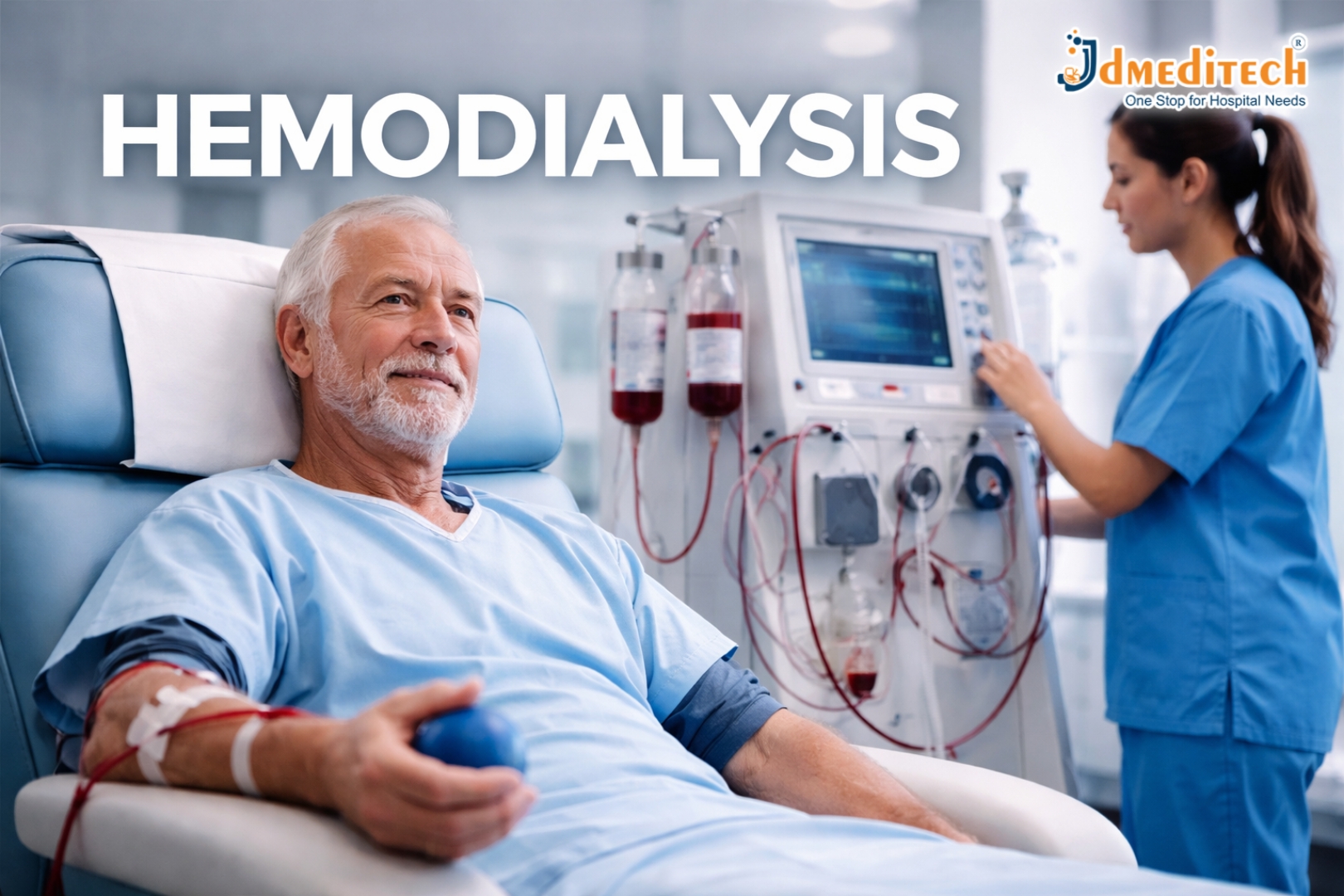
Hemodialysis is a medical procedure that filters blood using a special machine. In other words, it acts as an artificial kidney.
During the process:
- Blood is taken from the body
- It passes through a dialyzer (artificial kidney)
- Waste and extra fluids are removed
- Clean blood returns to the body
As a result, the body maintains proper chemical balance.
Why is Hemodialysis Needed?
Doctors recommend hemodialysis treatment when kidneys lose about 85–90% of their function.
Common Causes Include:
- Chronic Kidney Disease (CKD)
- Diabetes
- High blood pressure
- Glomerulonephritis
- Polycystic kidney disease
If untreated, kidney failure can become life-threatening. Therefore, timely dialysis is essential.
Types of Hemodialysis Access
Before starting treatment, doctors create a vascular access point. This allows easy blood flow during dialysis.
1. Arteriovenous (AV) Fistula
- Best and most preferred option
- Created by connecting an artery to a vein
- Long-lasting and low risk of infection
2. AV Graft
- Uses a synthetic tube
- Suitable if veins are small
3. Central Venous Catheter
- Temporary access
- Used in emergency situations
Hemodialysis Procedure Step-by-Step
Understanding the procedure helps reduce anxiety. Here is how it works:
- First, medical staff connect you to the dialysis machine
- Blood flows through tubes into the dialyzer
- The dialyzer removes toxins and excess fluid
- Clean blood returns to your body
- The session usually lasts 3–5 hours
Typically, patients need dialysis 3 times per week.
Benefits of Hemodialysis
Hemodialysis offers several important benefits. For example:
- Removes waste and toxins effectively
- Balances electrolytes in the body
- Controls blood pressure
- Reduces swelling caused by fluid buildup
- Improves overall quality of life
As a result, patients can live longer and healthier lives.
Risks and Side Effects
Although hemodialysis is safe, some side effects may occur.
Common Risks:
- Low blood pressure
- Muscle cramps
- Fatigue
- Itching
- Sleep problems
Serious Complications (Rare):
- Infection
- Blood clots
- Heart problems
However, proper care and regular monitoring can reduce these risks significantly.
Diet and Lifestyle During Hemodialysis
Diet plays a key role in treatment success. Therefore, patients must follow strict guidelines.
Recommended Diet Tips:
- Limit salt intake
- Control fluid consumption
- Reduce potassium-rich foods (like bananas)
- Eat high-quality protein
- Avoid processed foods
Additionally, light exercise and regular check-ups improve outcomes.
Recovery and Daily Life
Many patients continue normal activities during treatment. However, some adjustments are necessary.
Helpful Tips:
- Stick to your dialysis schedule
- Take prescribed medications regularly
- Monitor weight and fluid intake
- Maintain hygiene around access site
Over time, patients adapt well to the routine.
Hemodialysis vs Peritoneal Dialysis
Both treatments help kidney failure patients, but they differ in approach.
| Feature | Hemodialysis | Peritoneal Dialysis |
| Location | Hospital/Center | Home |
| Frequency | 3 times/week | Daily |
| Equipment | Machine required | No large machine |
| Flexibility | Less | More |
Therefore, doctors choose the best option based on patient condition.
When to See a Doctor?
Seek medical help immediately if you notice:
- Swelling in legs or face
- Shortness of breath
- Reduced urine output
- Persistent fatigue
Early diagnosis can prevent complications.
Conclusion
Hemodialysis is a critical treatment for patients with kidney failure. Although it requires regular sessions, it significantly improves survival and quality of life.
By following medical advice, maintaining a proper diet, and attending scheduled sessions, patients can manage their condition effectively. Therefore, awareness and early treatment are key to better outcomes.
Get Connected:
+91 79909 93062 | +91 63513 72032 | exports@jdmeditech.com