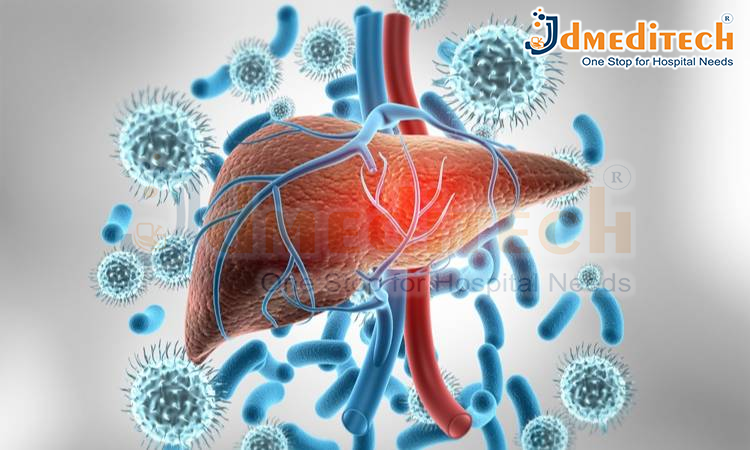
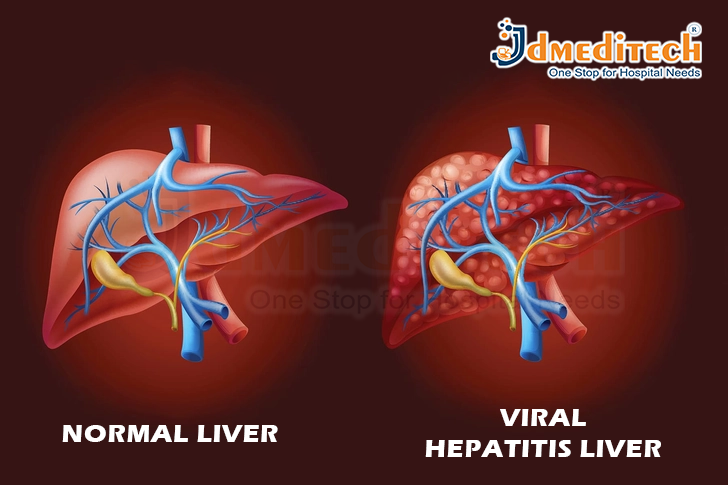
Hepatitis is an inflammation of the liver, a vital organ responsible for detoxifying the blood, producing bile, and storing nutrients. This condition can develop due to several factors, including viral infections (such as hepatitis A, B, C, D, and E), long-term alcohol use, toxins, autoimmune disorders, and certain medications. When the liver becomes inflamed, its ability to function properly is affected, leading to problems with digestion, metabolism, and toxin removal.
Hepatitis can be acute—appearing suddenly and lasting for a short duration—or chronic, where inflammation persists for more than six months and may gradually damage liver tissue. If not managed early, chronic hepatitis can progress to serious complications such as fibrosis, cirrhosis, liver failure, or liver cancer. Symptoms often include fatigue, nausea, abdominal pain, jaundice, dark urine, and loss of appetite, although some people may not show symptoms at all.
With timely diagnosis, proper treatment, and preventive measures such as vaccination and good hygiene, most forms of hepatitis can be effectively controlled or avoided.
What is hepatitis?
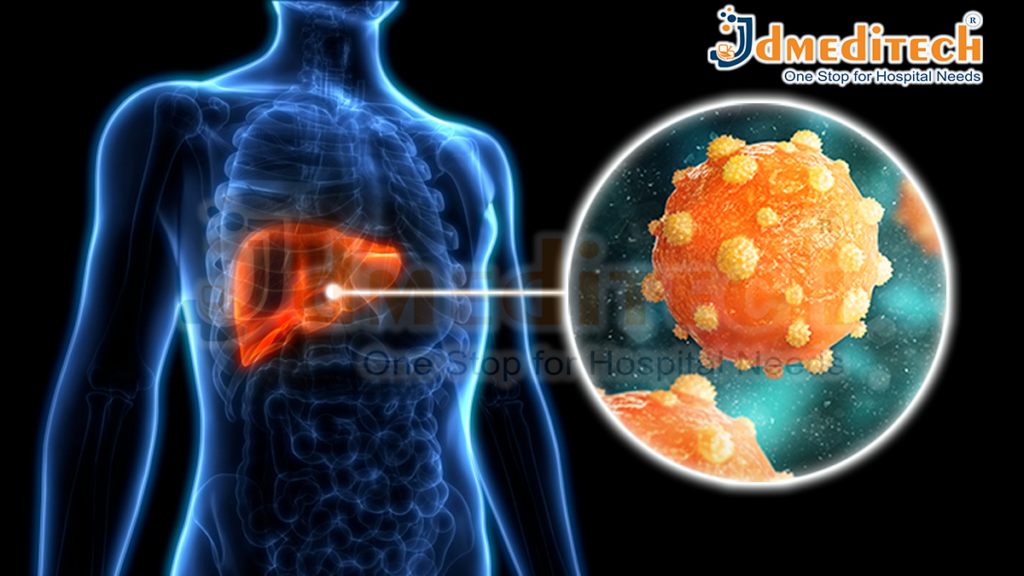
Hepatitis is a medical condition characterized by inflammation of the liver, a vital organ responsible for filtering toxins from the blood, processing nutrients, and supporting digestion. This inflammation can be caused by viral infections (hepatitis A, B, C, D, E), excessive alcohol consumption, autoimmune diseases, certain medications, or exposure to toxins.
Hepatitis can be acute (short-term) or chronic (long-lasting), and if left untreated, it may lead to serious complications such as liver damage, cirrhosis, or liver failure. Common symptoms include fatigue, jaundice (yellowing of the skin and eyes), abdominal pain, nausea, dark urine, and loss of appetite, though some people may have no symptoms at all.
Prevention includes vaccination (for hepatitis A and B), practicing good hygiene, avoiding contaminated food and water, safe sexual practices, and limiting alcohol consumption.
Hepatitis A
Hepatitis A is the result of an infection with the hepatitis A virus (HAV). This type of hepatitis is an acute, short-term disease.
Hepatitis B
The hepatitis B virus (HBV) causes hepatitis B. This is often an ongoing, chronic condition. The Centers for Disease Control and Prevention (CDC) estimates that around 826,000Trusted Source people are living with chronic hepatitis B in the United States and around 257 million people worldwide.
Hepatitis C
Hepatitis C comes from the hepatitis C virus (HCV). HCV is among the most common bloodborne viral infections in the United States and typically presents as a long-term condition.
Hepatitis D
This is a rare form of hepatitis that only occurs in conjunction with hepatitis B infection. The hepatitis D virus (HDV) causes liver inflammation like other strains, but a person cannot contract HDV without an existing hepatitis B infection.
Hepatitis E
Hepatitis E is a waterborne disease that results from exposure to the hepatitis E virus (HEV). Hepatitis E is mainly found in areas with poor sanitation and typically results from ingesting fecal matter that contaminates the water supply.
Hepatitis E is usually acute but can be particularly dangerous in pregnant women.
How is viral hepatitis spread?
1 Hepatitis A & E
- Spread primarily through contaminated food and water.
- Poor sanitation and hygiene increase the risk.
- Not usually spread through blood.
2 Hepatitis B, C & D
- Spread through infected blood or body fluids.
- Hepatitis B & D can be transmitted via:
-
- Unprotected sexual contact with an infected person
- From mother to baby during childbirth
- Sharing needles or syringes
- Contaminated medical equipment
- Hepatitis C is mainly transmitted through blood, such as:
-
- Sharing needles or other drug equipment
- Blood transfusions (rare today due to screening)
Who is at risk for hepatitis?
The risks are different for the different types of hepatitis. For example, with most of the viral types, your risk is higher if you have unprotected sex. People who drink a lot over long periods of time are at risk for alcoholic hepatitis.
How is hepatitis diagnosed?
To diagnose hepatitis, your health care provider:
- Will ask about your symptoms and medical history
- Will do a physical exam
- Will likely do blood tests, including tests for viral hepatitis
- Might do imaging tests, such as an ultrasound, CT scan, or MRI
- May need to do a liver biopsy to get a clear diagnosis and check for liver damage
What are the treatments for hepatitis?
Treatment for hepatitis depends on which type you have and whether it is acute or chronic. Acute viral hepatitis often goes away on its own. To feel better, you may just need to rest and get enough fluids. But in some cases, it may be more serious. You might even need treatment in a hospital.
There are different medicines to treat the different chronic types of hepatitis. Possible other treatments may include surgery and other medical procedures. People who have alcoholic hepatitis need to stop drinking. If your chronic hepatitis leads to liver failure or liver cancer, you may need a liver transplant.
Conclusion
Hepatitis is a serious condition but can be prevented, treated, and managed with the right medical care. Early diagnosis and lifestyle changes play a crucial role in protecting liver health. If you experience symptoms or are at risk, consult a healthcare professional promptly.