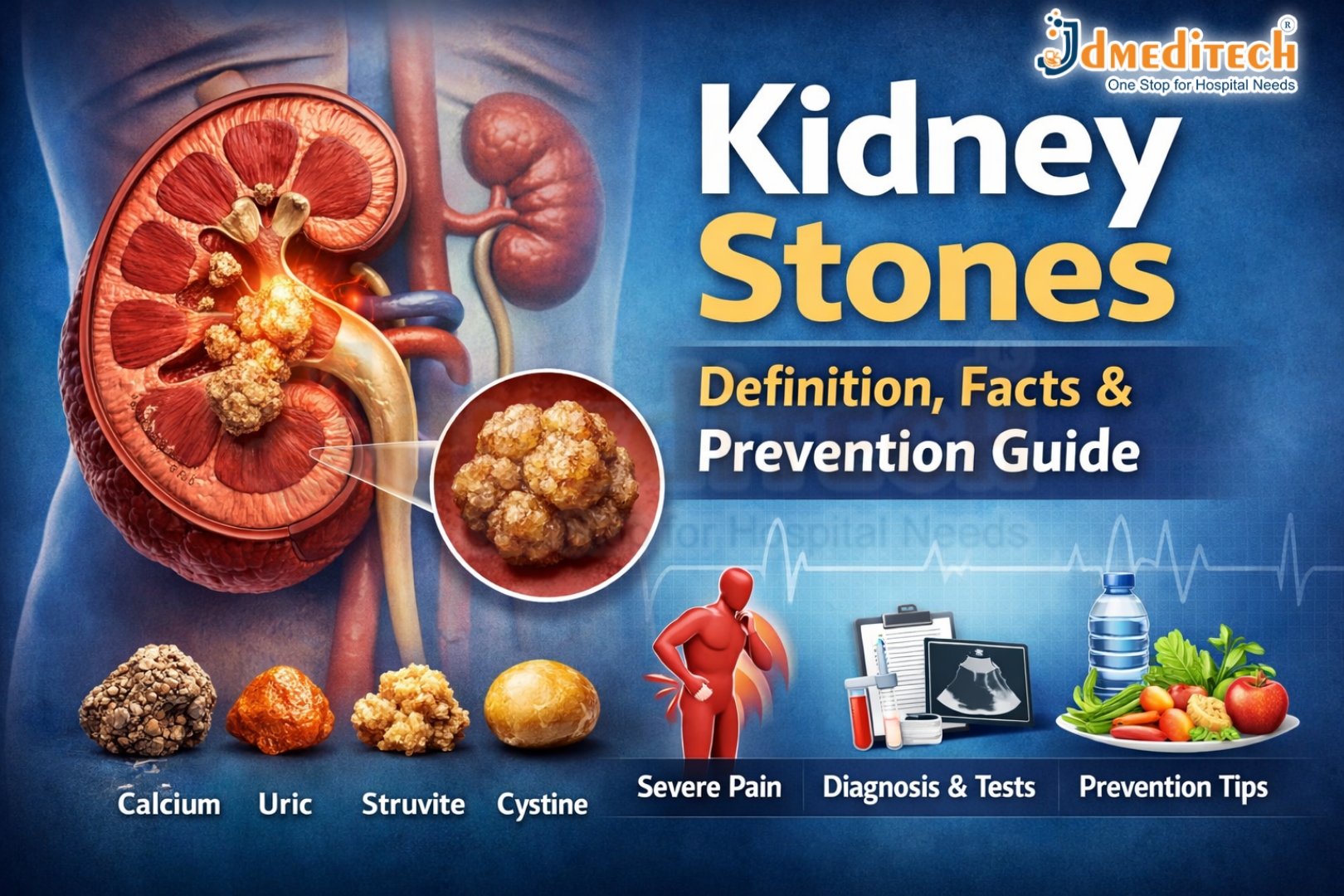
Kidney stones are a common yet painful urological condition affecting millions of people worldwide. Understanding what kidney stones are, how they form, and how to prevent them can help reduce the risk and avoid complications.
What Are Kidney Stones?
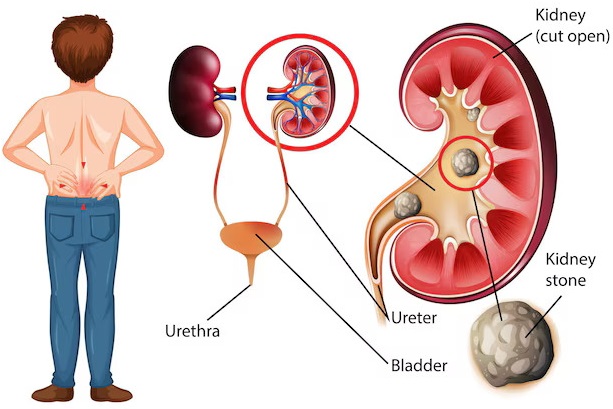
Kidney stones, medically known as renal calculi or nephrolithiasis, are hard deposits made of minerals and salts that form inside the kidneys. These stones develop when substances like calcium, oxalate, and uric acid become highly concentrated in urine, leading to crystal formation.
Over time, these crystals stick together and grow into solid stones that may stay in the kidney or travel through the urinary tract.
Key Facts About Kidney Stones
Here are some important and interesting facts about kidney stones:
- Common Condition: Around 1 in 10 people will develop kidney stones at some point in their life.
- Highly Painful: Passing a kidney stone can cause severe pain, often described as one of the most intense pains.
- More Common in Men: Men are more likely to develop kidney stones than women.
- Recurrence Rate: Nearly 50% of people who have had kidney stones may develop them again within 5 years.
- Size Varies: Stones can be as small as a grain of sand or as large as a golf ball.
- Climate Factor: People living in hot climates are at higher risk due to dehydration.
- Diet Matters: High salt, sugar, and protein intake can increase risk.
Types of Kidney Stones
Kidney stones are classified based on their composition:
1. Calcium Stones
- Most common type (about 80%)
- Usually calcium oxalate
- Linked to diet and metabolic factors
2. Uric Acid Stones
- Form in people who don’t drink enough fluids
- Common in high-protein diets
3. Struvite Stones
- Associated with urinary tract infections (UTIs)
- Can grow quickly and become large
4. Cystine Stones
- Rare and genetic in origin
- Caused by a hereditary disorder
Causes of Kidney Stones
Kidney stones form due to several factors:
- Dehydration – Not drinking enough water
- Dietary Habits – High intake of salt, sugar, and animal protein
- Obesity – Linked to metabolic changes
- Medical Conditions – Diabetes, gout, and UTIs
- Family History – Genetic predisposition
- Certain Medications – Can increase stone formation risk
Symptoms of Kidney Stones
Small stones may not cause symptoms, but larger stones can lead to:
- Severe pain in the back or side (renal colic)
- Pain during urination
- Blood in urine (hematuria)
- Nausea and vomiting
- Frequent urge to urinate
- Cloudy or foul-smelling urine
How Kidney Stones Are Diagnosed
Doctors use several methods to diagnose kidney stones:
- Ultrasound
- CT Scan (most accurate)
- Urine Tests
- Blood Tests
Prevention Tips for Kidney Stones
Preventing kidney stones is possible with simple lifestyle changes:
Stay Hydrated
Drink at least 2.5–3 liters of water daily.
Follow a Balanced Diet
- Reduce salt intake
- Limit animal protein
- Avoid excessive oxalate-rich foods (spinach, nuts)
Maintain Healthy Weight
Obesity increases the risk of stone formation.
Limit Sugary Drinks
Avoid sodas and high-fructose beverages.
Take Medical Advice
Follow your doctor’s guidance if you have a history of stones.
When to See a Doctor
Seek medical attention if you experience:
- Severe, persistent pain
- Blood in urine
- Fever and chills
- Difficulty passing urine
Conclusion
Kidney stones are a common but preventable condition. By understanding their definition, causes, and key facts, you can take proactive steps to protect your kidney health. Staying hydrated, maintaining a balanced diet, and seeking timely medical care are essential for prevention and management.
Get Connected:
+91 79909 93062 | +91 63513 72032 | exports@jdmeditech.com