Mouth Guard for Endoscopy – Protection, Comfort, and Precision
Introduction
Endoscopic procedures require precision, safety, and patient comfort. One essential yet often overlooked accessory is the mouth guard for endoscopy. This small but critical device plays a major role in protecting both the patient and the endoscope during procedures like upper GI endoscopy, ERCP, and bronchoscopy.
In this guide, we’ll explore everything you need to know about endoscopy mouth guards, including their purpose, benefits, types, and how to choose the right one.
What is a Mouth Guard for Endoscopy?
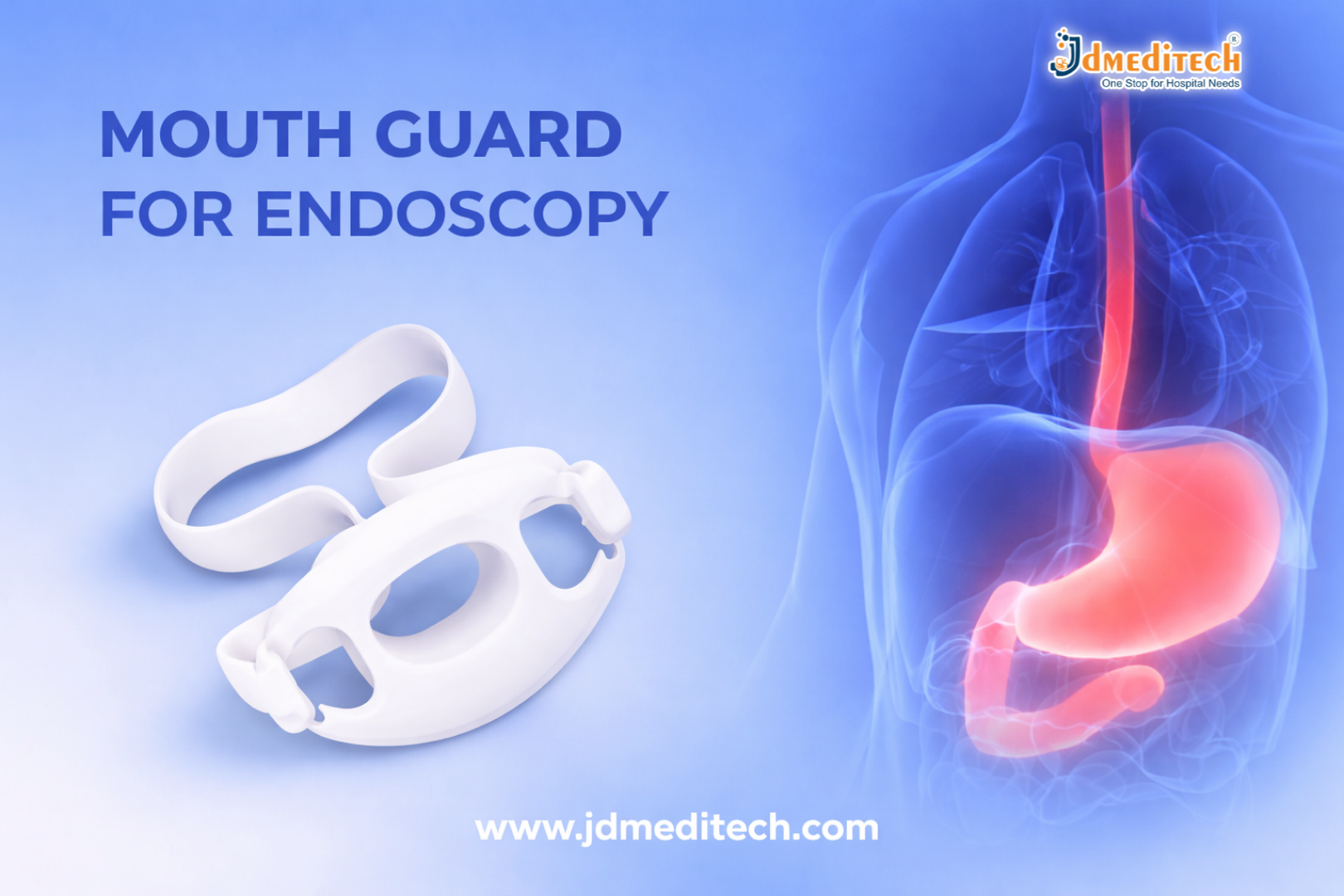
A mouth guard for endoscopy is a medical device placed in the patient’s mouth during endoscopic procedures. It helps keep the mouth open while protecting the teeth, lips, and the endoscope from damage.
These guards are typically made from medical-grade, soft yet durable materials, ensuring safety and comfort throughout the procedure.
Why is a Mouth Guard Important in Endoscopy?
Using a mouth guard in endoscopy is crucial for several reasons:
1. Protection of the Endoscope
Patients may involuntarily bite during procedures. A mouth guard prevents damage to expensive endoscopic equipment.
2. Patient Safety
It protects teeth, gums, and lips from injury, especially during long or complex procedures.
3. Improved Procedure Efficiency
By stabilizing the mouth, it allows smooth insertion and maneuverability of the endoscope.
4. Infection Control
Many modern endoscopy mouth guards are designed for single-use, reducing cross-contamination risks.
Key Features of Endoscopy Mouth Guards
A high-quality mouth guard for endoscopy offers:
- Ergonomic Design for a secure and comfortable fit
- Soft Bite Block to prevent dental injury
- High Durability to withstand pressure
- Adjustable Straps for stability during procedures
- Latex-Free Material to avoid allergic reactions
Types of Mouth Guards for Endoscopy
Different procedures require specific designs. Common types include:
1. Standard Bite Block Mouth Guard
Used in routine upper GI endoscopy procedures.
2. Mouth Guard with Oxygen Port
Allows oxygen delivery during sedation, improving patient safety.
3. Adjustable Mouth Guard
Suitable for different patient sizes, including pediatric and adult use.
4. Disposable Mouth Guard
Single-use options that ensure hygiene and reduce infection risks.
Applications of Mouth Guard in Endoscopy
The endoscopy mouth guard is widely used in:
- Upper GI Endoscopy
- ERCP (Endoscopic Retrograde Cholangiopancreatography)
- Bronchoscopy
- Transesophageal Echocardiography (TEE)
How to Choose the Right Mouth Guard for Endoscopy
Selecting the right mouth guard for endoscopy depends on several factors:
- Patient Comfort : Choose soft, anatomically designed guards
- Procedure Type : Ensure compatibility with the procedure
- Material Quality : Opt for medical-grade, non-toxic materials
- Ease of Use : Quick placement and secure fit
- Infection Control : Prefer disposable or serializable options
Benefits of Using a High-Quality Endoscopy Mouth Guard
Using a premium endoscopy mouth guard provides:
- Enhanced patient comfort
- Reduced risk of dental and soft tissue injury
- Protection of costly endoscopic instruments
- Improved procedural accuracy
- Better clinical outcomes
Maintenance and Safety Tips
- Use disposable mouth guards whenever possible
- Ensure proper sterilization for reusable models
- Check for damage before use
- Use the correct size for each patient
Conclusion
The mouth guard for endoscopy is a small but indispensable tool that ensures safety, comfort, and precision during procedures. By protecting both the patient and the equipment, it contributes significantly to successful outcomes.
Healthcare providers should always prioritize high-quality endoscopy mouth guards to enhance efficiency and maintain the highest standards of care.
Get Connected:
+91 79909 93062 | +91 63513 72032 | exports@jdmeditech.com