In modern interventional cardiology, precision and efficiency are critical. Every second counts during diagnostic and therapeutic procedures, and even small improvements in device handling can significantly enhance patient outcomes. One such essential device is the 2-way & 3-way manifold, widely used in angiography and cardiac catheterization procedures.
Designed for controlled fluid management and pressure monitoring, these manifolds play a vital role in optimizing workflow, ensuring safety, and improving procedural accuracy.
What Are 2-Way & 3-Way Manifolds?
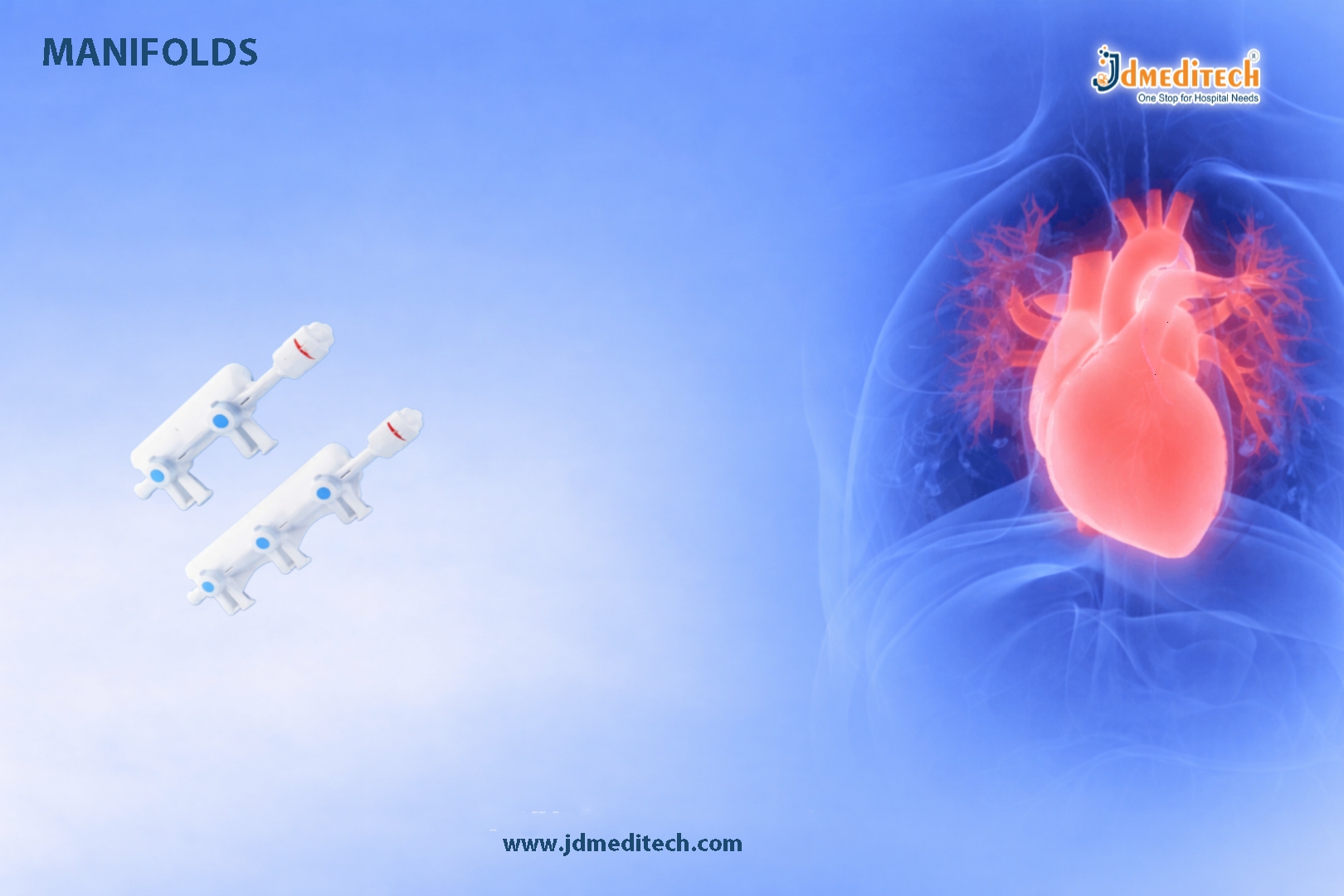
A 2-way or 3-way manifold is a medical device used to control the flow of fluids between multiple lines during cardiovascular procedures. It allows clinicians to manage contrast media, saline, and pressure monitoring systems efficiently.
- 2-Way Manifold : Features two ports for simple fluid control
- 3-Way Manifold : Includes three ports, enabling more complex fluid management and simultaneous operations
These manifolds are commonly used in:
- Coronary angiography
- Cardiac catheterization
- Interventional radiology procedures
Importance in Cardiac Procedures
The use of 2-way & 3-way manifolds significantly enhances procedural control and reduces manual handling errors. They allow seamless switching between fluids and ensure uninterrupted pressure monitoring.
Key Roles:
- Precise delivery of contrast media
- Continuous hemodynamic monitoring
- Efficient flushing of catheters
- Reduction in procedure time
By integrating these manifolds, clinicians can maintain a sterile and organized workflow throughout the procedure.
Key Features of 2-Way & 3-Way Manifolds
1. High-Pressure Resistance
2. Smooth Rotational Control
The ergonomic handle allows easy switching between ports without disrupting the procedure.
3. Leak-Proof Design
Ensures zero leakage, minimizing contamination risks and maintaining sterility.
4. Clear Flow Visibility
Transparent body enables clinicians to monitor fluid flow in real time.
5. Multiple Port Options
Available in 2-way and 3-way configurations to suit various clinical needs.
Benefits of Using Cardiac Manifolds
Improved Workflow Efficiency
Allows quick switching between fluids, reducing delays.
Enhanced Patient Safety
Minimizes the risk of air embolism and contamination.
Better Pressure Monitoring
Ensures accurate and continuous hemodynamic readings.
Reduced Procedure Time
Streamlines multiple steps into a single controlled system.
Versatile Applications
Suitable for a wide range of cardiovascular and interventional procedures.
Applications in Clinical Practice
2-way & 3-way manifolds are widely used in:
- Cardiac catheterization labs
- Angiography suites
- Interventional cardiology procedures
- Vascular interventions
- Radiology departments
Their versatility makes them indispensable in both diagnostic and therapeutic settings.
How to Choose the Right Manifold
When selecting a cardiac manifold, consider the following factors:
- Number of Ports : Choose 2-way or 3-way based on procedural complexity
- Pressure Rating : Ensure compatibility with high-pressure systems
- Material Quality : Medical-grade, non-toxic, and durable
- Ease of Use : Ergonomic design for smooth operation
- Sterility : Single-use, sterile packaging for infection control
Best Practices for Usage
To maximize efficiency and safety:
- Always ensure proper priming to remove air bubbles
- Maintain sterile handling throughout the procedure
- Check connections before initiating fluid flow
- Monitor pressure readings continuously
- Dispose of single-use manifolds as per medical guidelines
Why Choose High-Quality Manifolds?
Using premium-quality 2-way & 3-way manifolds ensures:
- Reliable performance under pressure
- Consistent fluid control
- Reduced risk of complications
- Compliance with medical standards
For healthcare providers, investing in high-quality devices directly translates to better clinical outcomes and improved patient care.
Conclusion
The 2-way & 3-way manifold is a small yet powerful tool that significantly enhances the efficiency and safety of cardiac procedures. From precise fluid management to continuous pressure monitoring, these devices are essential in modern cardiology.
By choosing the right manifold and following best practices, healthcare professionals can optimize procedural performance and deliver superior patient outcomes.
Get Connected:
+91 79909 93062 | +91 63513 72032 | exports@jdmeditech.com