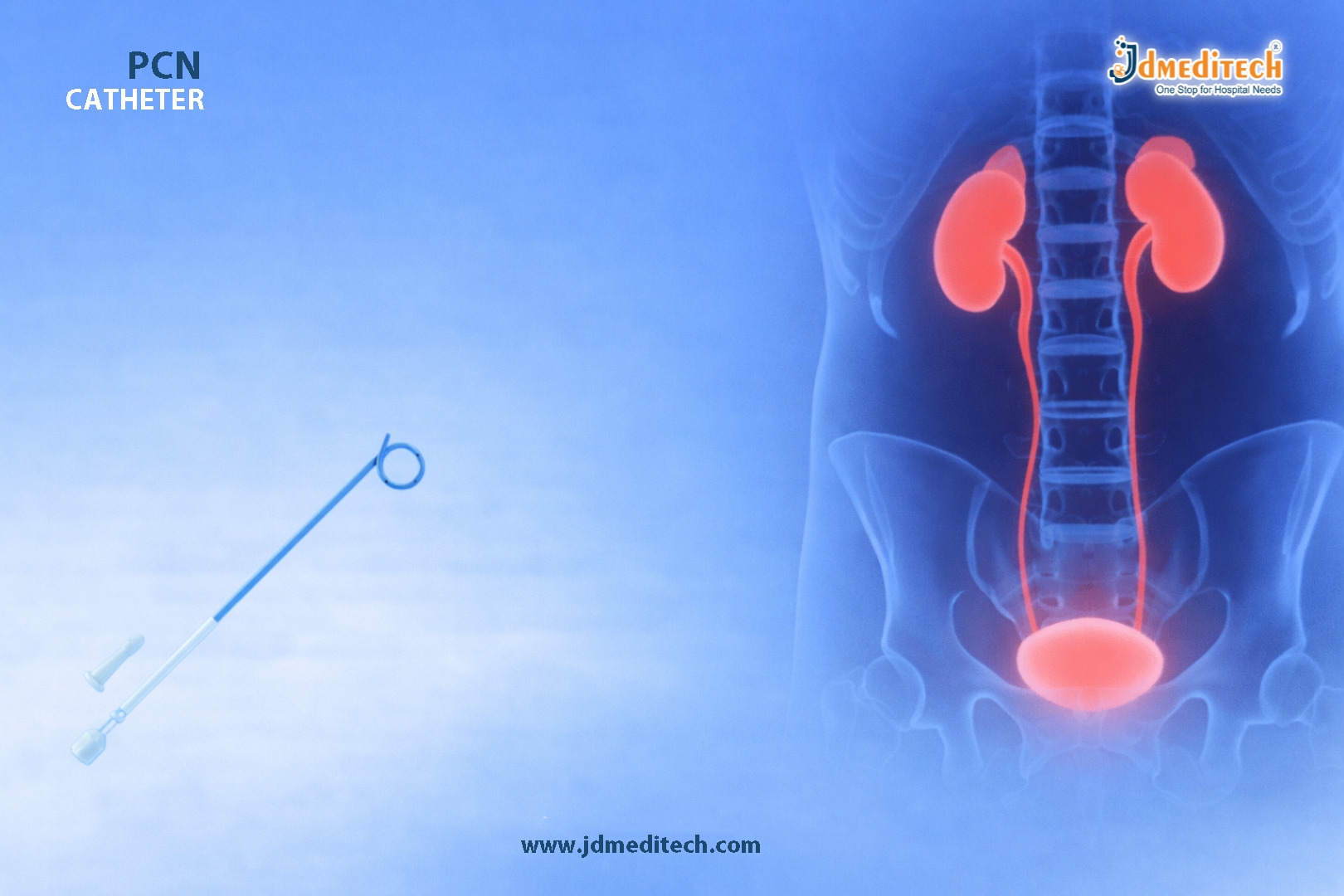
A PCN catheter for kidney drainage is an important device in modern urology. It helps drain urine directly from the kidney when the normal urinary pathway becomes blocked. As a result, it reduces pressure inside the kidney and supports faster relief.
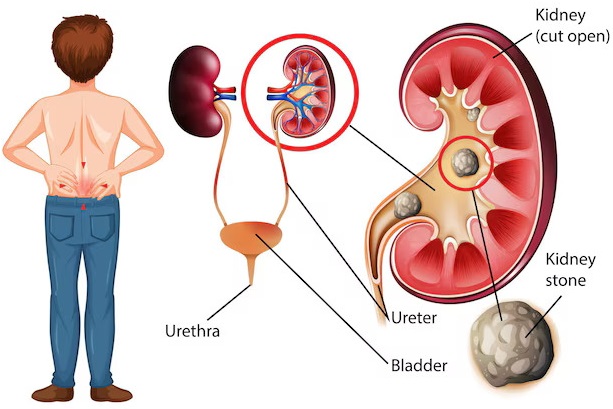
Obstructive uropathy can develop because of stones, tumors, strictures, or other urinary blockages. When urine cannot flow properly, the kidney starts to swell. Over time, this pressure can damage renal tissue and increase the risk of infection. Therefore, doctors often use a PCN catheter for kidney drainage to protect kidney function and restore safe urine flow.
What Is a PCN Catheter for Kidney Drainage?
A PCN catheter for kidney drainage is a thin and flexible tube placed into the renal pelvis through the skin. Doctors usually insert it with the help of imaging guidance such as ultrasound or fluoroscopy. This method improves accuracy and helps reduce complications.
The catheter creates an alternate route for urine drainage. Instead of passing through a blocked ureter, urine flows through the catheter into an external collection bag. Because of this, the kidney gets immediate decompression and the patient often feels relief soon after placement.
Why Is a PCN Catheter Used in Obstructive Uropathy?
Doctors use a PCN catheter for kidney drainage when urine cannot leave the kidney normally. This condition demands timely treatment because prolonged obstruction may lead to infection, pain, hydronephrosis, or renal damage.
Common causes of obstructive uropathy include:
- Ureteric or renal stones
- Ureteral strictures
- Pelvic or abdominal tumors
- Blood clots in the urinary tract
- Congenital urinary obstruction
In many cases, a PCN catheter for kidney drainage becomes essential when immediate decompression is necessary. It also supports further diagnostic or therapeutic procedures.
Key Features of a PCN Catheter for Kidney Drainage
A well-designed PCN catheter for kidney drainage offers reliable performance and safe handling. Manufacturers focus on drainage efficiency, placement accuracy, and patient comfort.
Important features often include:
- Soft and biocompatible catheter material
- Multiple side holes for efficient drainage
- Radiopaque line or markers for visibility
- Kink-resistant shaft for smooth urine flow
- Secure locking or retention design
- Connector compatibility with drainage bags
These features help the catheter perform well in both short-term and extended drainage situations.
How a PCN Catheter for Kidney Drainage Is Placed
The placement of a PCN catheter for kidney drainage is a minimally invasive procedure. Trained specialists perform it in a controlled setting with imaging support.
Step-by-step placement process
- The patient is positioned properly.
- The area is cleaned and prepared.
- Local anesthesia is given.
- Imaging helps identify the target calyx or renal pelvis.
- A needle enters the collecting system.
- A guidewire passes through the access tract.
- The tract is dilated when needed.
- The catheter is advanced and fixed in place.
- The catheter is connected to a drainage bag.
This technique offers precise placement. In addition, it helps reduce trauma compared with open surgical drainage methods.
Benefits of a PCN Catheter for Kidney Drainage
A PCN catheter for kidney drainage provides several important clinical benefits. Most importantly, it relieves pressure from the obstructed kidney quickly.
Key benefits include:
- Fast decompression of the kidney
- Protection of renal function
- Relief from flank pain and pressure
- Support in infected obstructed systems
- Minimally invasive placement
- Useful access for future urological procedures
Moreover, the catheter helps stabilize patients before definitive treatment. For that reason, it remains a trusted option in emergency and elective care.
Clinical Applications of a PCN Catheter for Kidney Drainage
A PCN catheter for kidney drainage supports many urological and interventional procedures. Its role goes beyond simple urinary diversion.
It is commonly used in:
- Obstructive uropathy management
- Hydronephrosis decompression
- Pyonephrosis drainage
- Temporary urinary diversion before surgery
- Access for nephrostomy tract procedures
- Support during complex stone management
Because it has broad clinical utility, many hospitals rely on the PCN catheter for kidney drainage in routine and advanced urology practice.
Patient Care After PCN Catheter Placement
Proper aftercare improves the performance of a PCN catheter for kidney drainage and lowers the chance of complications. Patients and caregivers should understand basic maintenance steps.
Important care tips include:
- Keep the insertion area clean and dry
- Check urine output regularly
- Avoid bending or pulling the catheter
- Empty the drainage bag on time
- Watch for fever, leakage, or blockage
- Attend all follow-up visits
Good catheter care supports continuous drainage. It also helps detect issues early.
Possible Complications and Risk Management
Although a PCN catheter for kidney drainage is generally safe, some complications can occur. However, careful technique and regular monitoring reduce these risks.
Possible complications include:
- Minor bleeding
- Infection at the insertion site
- Catheter blockage
- Dislodgement
- Leakage around the catheter
- Local discomfort
Doctors manage most of these issues quickly when identified early. Therefore, education and follow-up are very important.
Why Quality Matters in a PCN Catheter for Kidney Drainage
The quality of a PCN catheter for kidney drainage directly affects performance, safety, and patient comfort. A well-manufactured catheter allows smoother insertion and more dependable drainage.
High-quality options often provide:
- Better flexibility and strength
- Consistent lumen patency
- Reliable radiopacity
- Safer retention inside the kidney
- Improved procedural confidence
For this reason, healthcare providers should choose dependable products that meet clinical expectations and support patient safety.
Conclusion
A PCN catheter for kidney drainage plays a vital role in the treatment of obstructive uropathy. It relieves urinary obstruction, preserves kidney function, and supports rapid clinical improvement. In addition, it provides a minimally invasive solution for emergency decompression and ongoing urinary diversion.
Because obstructive uropathy can become serious very quickly, timely drainage is essential. That is why the PCN catheter for kidney drainage remains a key device in modern urological care.
Get Connected:
+91 79909 93062 | +91 63513 72032 | exports@jdmeditech.com