
Prostatectomy Surgery
Prostatectomy surgery is a medical procedure performed to remove all or part of the prostate gland, a small gland located below the bladder that plays an important role in the male reproductive system. This surgery is commonly recommended for men who are suffering from prostate cancer, severe benign prostatic hyperplasia (BPH), or serious urinary complications caused by an enlarged prostate.
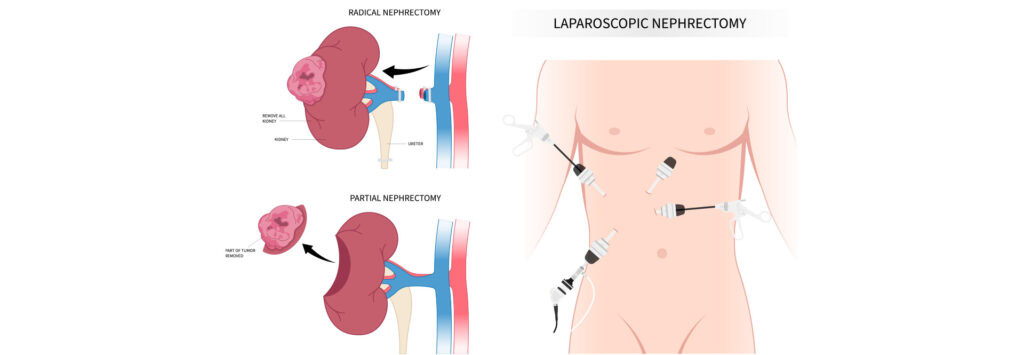
During the procedure, the surgeon carefully removes the affected prostate tissue using open, laparoscopic, or robotic-assisted techniques, depending on the patient’s condition and the surgeon’s expertise. By removing excess or diseased prostate tissue, the surgery helps relieve urinary blockage, improve urine flow, and, in cancer cases, prevent the spread of cancer cells.
Prostatectomy is considered a highly effective treatment, offering long-term relief from urinary symptoms and significantly improving the patient’s quality of life. Recovery usually involves a short hospital stay, temporary use of a urinary catheter, and gradual return to daily activities.
Types of Prostatectomy Surgery
-
Radical Prostatectomy
Used mainly for prostate cancer.
The surgeon removes the entire prostate gland along with nearby tissues.
Methods include:
- Open Radical Prostatectomy
- Laparoscopic Prostatectomy
- Robot-Assisted Prostatectomy
-
Simple Prostatectomy
Performed for Benign Prostatic Hyperplasia (BPH).
What is the prostate gland?
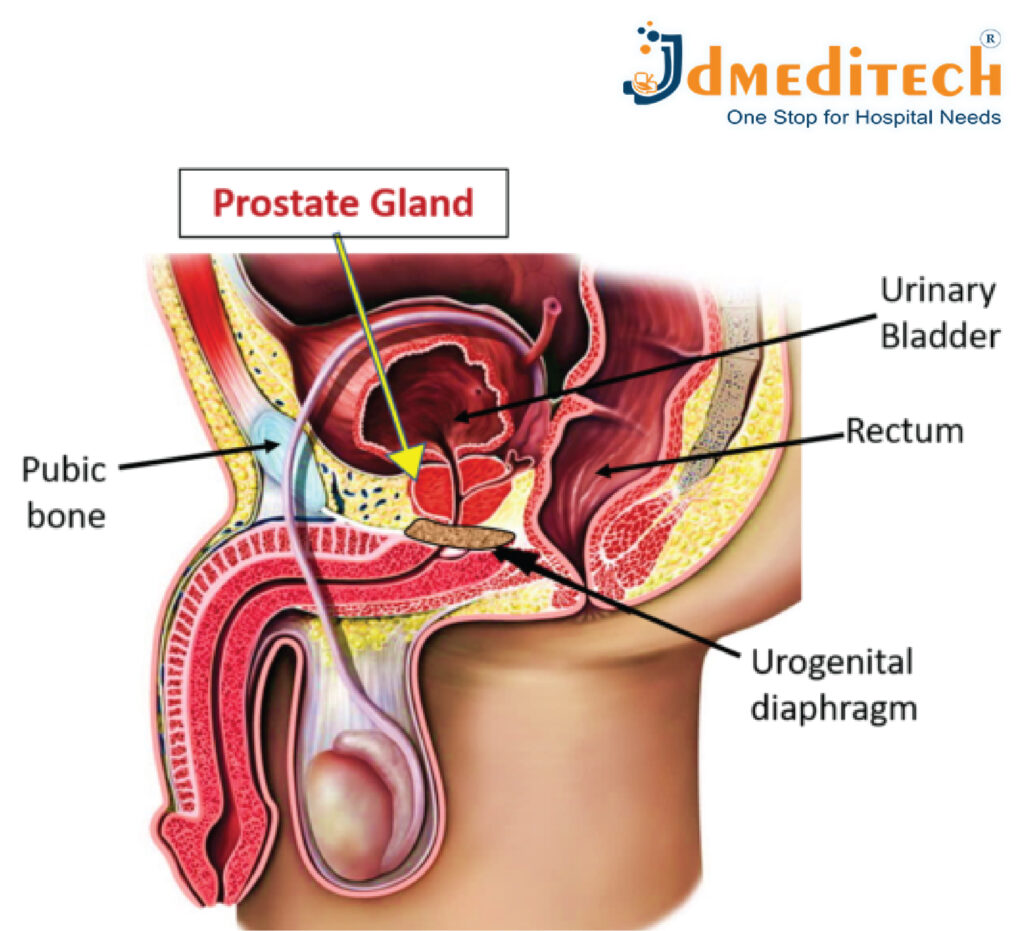
The prostate gland is a small, walnut-shaped gland found only in men, located just below the bladder and surrounding the upper part of the urethra—the tube that carries urine out of the body. It plays a vital role in the male reproductive system by producing a nutrient-rich fluid that mixes with sperm to form semen. This fluid helps nourish, protect, and transport sperm during ejaculation. Because the urethra passes through the center of the prostate, any enlargement or disease of the prostate can affect urinary function. Conditions such as benign prostatic hyperplasia (BPH), prostatitis, or prostate cancer can lead to symptoms like weak urine flow, frequent urination, difficulty starting urination, or discomfort. Maintaining prostate health is essential for both reproductive and urinary well-being.
Functions of the Prostate
1. Production of Seminal Fluid
The prostate produces a thin, milky fluid rich in enzymes, proteins, and minerals. This fluid forms a key component of semen, helping to:
-
- Nourish sperm
- Protect sperm from the acidic environment of the vagina
- Improve sperm mobility
2. Support During Ejaculation
During ejaculation, the prostate contracts to push the fluid into the urethra, where it mixes with sperm from the testes and fluids from the seminal vesicles. This coordinated action ensures effective semen release.
3. Role in Urinary Control
The prostate surrounds the urethra and works with pelvic floor muscles to maintain urine flow control. Any swelling, inflammation, or enlargement can compress the urethra and cause urinary symptoms.
Common Prostate Conditions
The prostate can be affected by several conditions, especially with age:
- Benign Prostatic Hyperplasia (BPH): Non-cancerous enlargement causing urinary issues
- Prostatitis: Inflammation or infection causing pain and urinary discomfort
- Prostate Cancer: One of the most common cancers in men, often developing slowly
Importance of Prostate Health
Healthy prostate function is crucial for:
- Fertility and sexual health
- Normal urination
- Overall quality of life
Before the procedure
Before undergoing prostatectomy, patients go through a detailed medical evaluation. The doctor reviews medical history and performs blood tests, imaging scans, and PSA levels to assess the condition of the prostate. Patients are advised to stop certain medications, avoid smoking, and follow specific dietary instructions before the procedure. Fasting may be required for several hours before surgery. The healthcare team explains the surgical steps, possible risks, anesthesia, and recovery expectations to ensure the patient is fully prepared and comfortable.
After the procedure
After surgery, patients are monitored closely as they recover from anesthesia. A urinary catheter is placed temporarily to help drain urine while the prostate area heals. Mild pain, swelling, or discomfort may occur, which is managed with medication. Patients are encouraged to walk slowly to improve blood circulation. Full recovery takes a few weeks, during which heavy lifting and strenuous activities should be avoided. Follow-up visits ensure proper healing, monitor urinary control, and check the overall progress. Most patients experience significant relief from urinary symptoms and improved quality of life.
Benefits of Prostatectomy Surgery
- Treats prostate cancer effectively
- Relieves urinary blockage
- Improves urine flow
- Reduces prostate-related infections
- Enhances overall quality of life
Conclusion
Prostatectomy surgery is a highly effective and commonly performed procedure for prostate cancer and enlarged prostate. With modern surgical techniques—especially robotic-assisted methods—patients enjoy faster recovery and better outcomes. Early diagnosis and timely treatment are essential for maintaining long-term prostate health.