Retinal detachment is a serious eye condition where the retina—the thin layer of tissue at the back of the eye responsible for capturing light and sending visual signals to the brain—separates from its normal position. If left untreated, it can lead to permanent vision loss. Fortunately, retinal detachment surgery can restore vision and prevent further damage.
What is a retinal detachment?
Retinal detachment is a serious eye condition in which the retina — the thin layer of light-sensitive tissue at the back of the eye — separates from its normal position. The retina is responsible for capturing light and sending visual signals to the brain, allowing us to see. When it detaches, the retina cannot function properly, leading to vision loss.
Retinal detachment often occurs due to a tear or hole in the retina, allowing fluid to accumulate underneath and lift it away from the underlying tissue. If not treated promptly, it can result in permanent blindness in the affected eye.
Why Do I Have a Retinal Detachment?
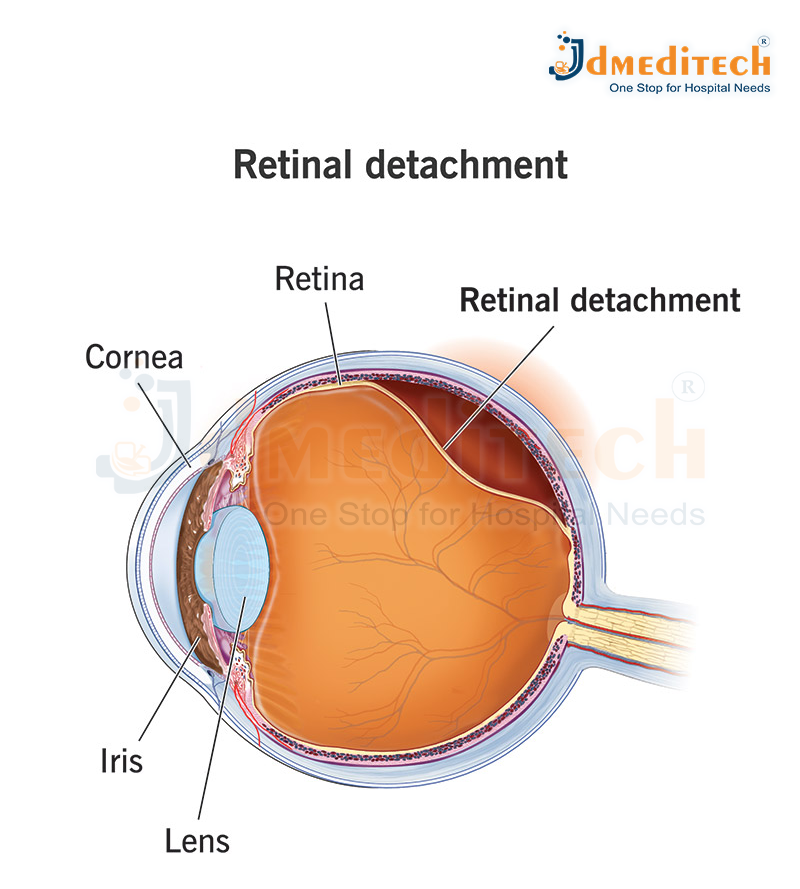
Retinal detachment occurs when the retina — the light-sensitive layer at the back of your eye — separates from its normal position. Several factors can increase your risk:
- Aging and Changes in the Vitreous: As you age, the gel-like substance inside your eye (vitreous) can shrink or pull away, sometimes creating tears in the retina.
- Severe Nearsightedness (Myopia): People with high myopia have longer eyeballs, which stretches the retina and makes it more vulnerable to detachment.
- Eye Injuries or Trauma: A direct hit or injury to the eye can trigger a tear or detachment.
- Previous Eye Surgery: Surgeries such as cataract removal may slightly increase the risk of retinal detachment.
- Family History: Genetics can play a role, making some people more prone to retinal problems.
- Underlying Eye Conditions: Certain conditions, like diabetic retinopathy or retinal degenerations, can weaken the retina.
What Are the Benefits of Retina Surgery?
Retina surgery is performed to repair serious problems like retinal detachment, macular holes, vitreous bleeding, or other retinal disorders. The goal of surgery is to restore vision, prevent further damage, and maintain the overall health of the eye.
Key Benefits of Retina Surgery
- Prevents Permanent Vision Loss
Retinal conditions—especially retinal detachment—can cause irreversible blindness if untreated. Surgery helps reattach or repair the retina, protecting your vision.
- Restores Vision or Improves Blurred Vision
Many patients regain lost vision after successful retina surgery. Even if full vision doesn’t return, the procedure often significantly improves clarity and prevents further deterioration.
- Stops Progression of Retinal Damage
Retina surgery prevents small retinal tears, holes, or detachments from getting worse, avoiding more serious complications.
- Treats Floaters, Bleeding, or Scar Tissue
In procedures like vitrectomy, the surgeon removes blood, scar tissue, or floaters from the vitreous gel, improving vision quality.
- Improves Quality of Life
By restoring or stabilizing vision, patients can return to daily activities such as reading, driving, and working with greater confidence.
- Helps Manage Underlying Eye Conditions
Retina surgery can help control conditions like:
- Diabetic retinopathy
- Macular holes
- Epiretinal membranes
- Vitreous hemorrhage
Treating these issues early can prevent long-term complications.
- Highly Effective and Safe
Modern retinal surgeries use advanced technology, making the procedures safe, precise, and highly successful in preserving vision.
Conclusion
Retinal detachment is a medical emergency, but modern surgical techniques offer excellent outcomes when detected early. Prompt medical attention, proper surgical intervention, and diligent aftercare can preserve vision and significantly improve quality of life.