What is a PTCA Balloon Catheter?
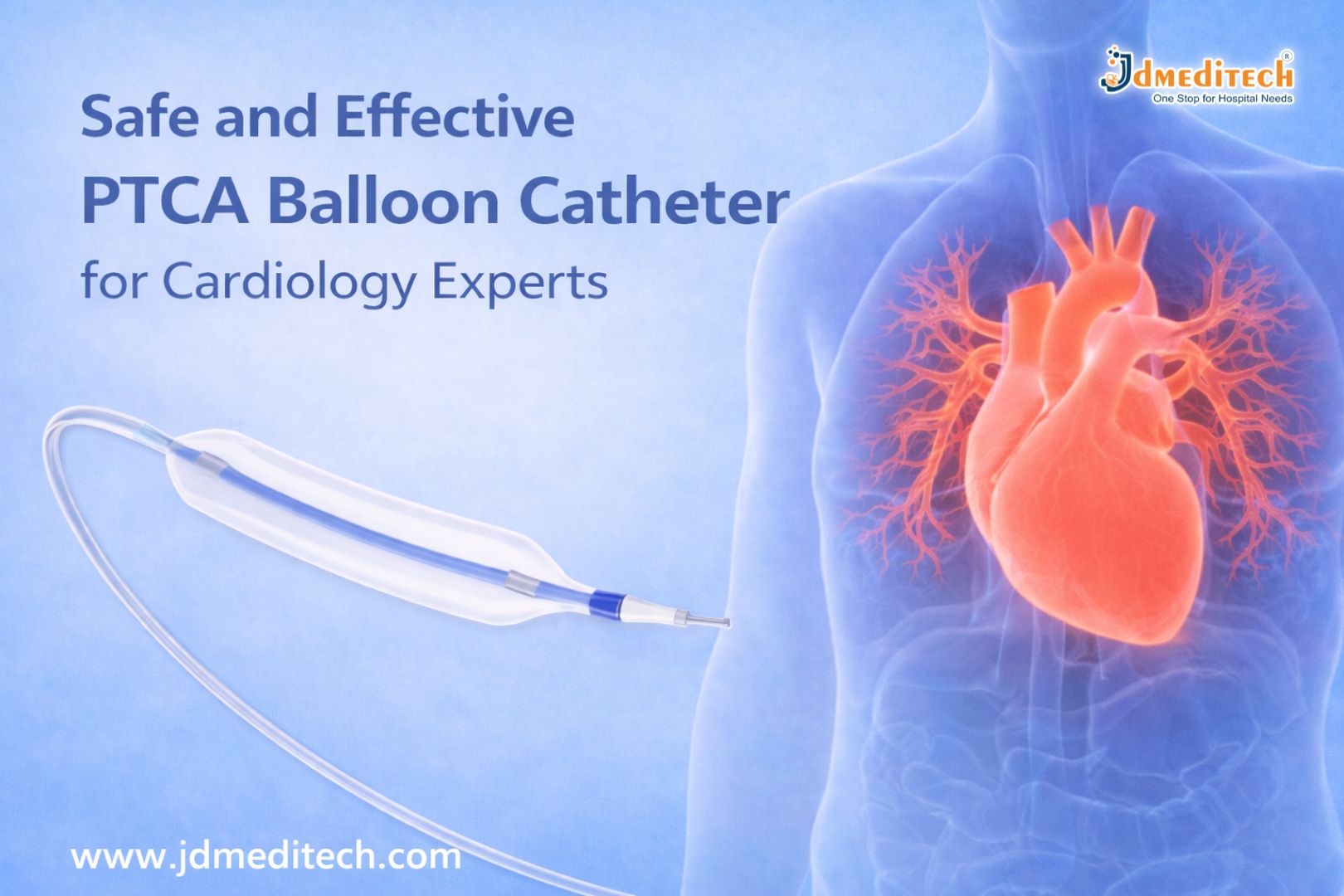
A PTCA Balloon Catheter is a minimally invasive medical device used to open narrowed coronary arteries caused by plaque buildup. It consists of a small balloon attached to the tip of a catheter.
During the procedure:
- The catheter is inserted into a blood vessel
- Guided to the blocked coronary artery
- The balloon is inflated to compress plaque
- Blood flow is restored efficiently
This procedure is commonly known as angioplasty.
Why PTCA Balloon Catheters Are Essential in Cardiology
Cardiologists rely on PTCA balloon catheters because they offer:
- Minimally invasive treatment
- Quick restoration of blood flow
- Reduced need for open-heart surgery
- Faster patient recovery time
As a result, these catheters have become a cornerstone in treating coronary artery disease (CAD).
Key Features of Safe and Effective PTCA Balloon Catheters
1. High-Pressure Balloon Capability
Modern PTCA balloon catheters can withstand high pressure, allowing precise dilation of hardened plaques without damaging the artery.
2. Smooth Navigation
These catheters are designed for easy navigation through complex vascular pathways, ensuring accurate placement.
3. Excellent Crossability
They can cross tight lesions efficiently, making them ideal for challenging cases.
4. Controlled Balloon Inflation
Precise inflation and deflation provide better control, reducing procedural risks.
5. Biocompatible Materials
Manufactured using advanced materials, they minimize the risk of adverse reactions.
Types of PTCA Balloon Catheters
1. Semi-Compliant Balloons
- Flexible and adaptable
- Suitable for general angioplasty procedures
2. Non-Compliant Balloons
- Maintain shape under high pressure
- Ideal for precise dilation and post-stent expansion
3. Cutting Balloons
- Equipped with micro blades
- Used for resistant or calcified lesions
4. Drug-Coated Balloons
- Release medication to prevent restenosis
- Improve long-term outcomes
Benefits of Using PTCA Balloon Catheters
Using a safe and effective PTCA balloon catheter offers multiple benefits:
- ✔ Minimally invasive procedure
- ✔ Reduced hospital stay
- ✔ Lower complication rates
- ✔ Faster recovery
- ✔ Improved patient comfort
- ✔ High procedural success rate
Safety Considerations in PTCA Procedures
While PTCA is generally safe, proper technique and equipment selection are essential.
Important Safety Measures:
- Use appropriate balloon size
- Monitor inflation pressure carefully
- Ensure proper imaging guidance
- Follow sterilization protocols
- Choose high-quality, certified devices
By adhering to these practices, cardiology experts can significantly reduce risks.
Applications of PTCA Balloon Catheters
PTCA balloon catheters are widely used in:
- Coronary artery disease treatment
- Pre-stent dilation
- Post-stent expansion
- Treatment of restenosis
- Peripheral angioplasty procedures
How to Choose the Right PTCA Balloon Catheter
Selecting the right catheter is crucial for optimal results.
Consider the following factors:
- Lesion type and severity
- Vessel size
- Balloon compliance type
- Trackability and flexibility
- Manufacturer quality and certification
Choosing the right device ensures both safety and effectiveness.
Future Innovations in PTCA Balloon Technology
Advancements in medical technology continue to improve PTCA outcomes.
Emerging trends include:
- Drug-eluting balloon technologies
- Enhanced catheter flexibility
- Improved imaging compatibility
- AI-assisted procedural planning
These innovations are shaping the future of interventional cardiology.
Conclusion
The PTCA Balloon Catheter remains an indispensable tool for cardiology experts. Its ability to safely and effectively restore blood flow makes it a preferred choice in modern cardiac care.
With continuous advancements in design and technology, PTCA balloon catheters are becoming even more efficient, ensuring better patient outcomes and procedural success.
Get Connected:
+91 79909 93062 | +91 63513 72032 | exports@jdmeditech.com