
Setting Up a Hospital: Complete Guide to Planning, Licensing, and Success
Introduction
Setting up a hospital is a complex but rewarding venture that requires strategic planning, regulatory compliance, financial investment, and a patient-centric approach. With the rising demand for quality healthcare in India and globally, establishing a well-equipped hospital can be both impactful and profitable.
This comprehensive guide covers everything you need to know—from planning and infrastructure to licensing, staffing, and marketing—ensuring your hospital is built on a strong foundation.
1.Planning and Feasibility Study
Before starting, conduct a detailed feasibility study:
- Location Analysis: Choose an area with high demand and limited competition.
- Target Audience: Identify whether you will serve urban, semi-urban, or rural populations.
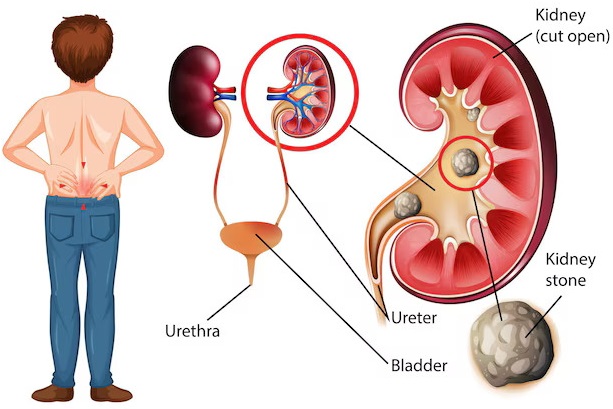
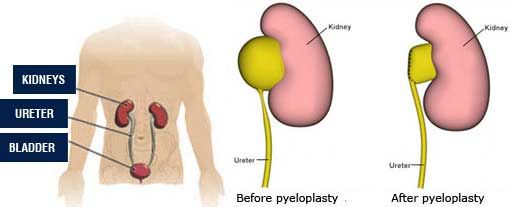
- Specialty Selection: General hospital or specialized (urology, cardiology, etc.).
- Market Research: Analyze nearby hospitals, pricing, and services.
2.Business Plan Development
A solid hospital business plan should include:
- Vision & mission
- Services offered
- Capital investment estimation
- Revenue model
- Break-even analysis
- Expansion strategy
3. Legal Requirements and Licensing in India
Setting up a hospital requires multiple approvals:
- Clinical Establishment Act Registration
- NABH Accreditation (Recommended for credibility)
- Biomedical Waste Management Authorization
- Fire Safety NOC
- Pollution Control Board Clearance
- Drug License (if pharmacy included)
- Local Municipal Permissions
👉 Ensure compliance with state-specific regulations.

4.Hospital Infrastructure Planning
Space Planning
- OPD (Outpatient Department)
- IPD (Inpatient wards)
- ICU & Emergency
- Operation Theatres (OT)
- Diagnostic labs
- Pharmacy
Design Considerations
- Patient flow efficiency
- Infection control zones
- Accessibility (ramps, lifts)
- Ventilation and lighting

5.Medical Equipment Procurement
Equip your hospital with modern technology:
- Diagnostic tools (X-ray, Ultrasound, CT scan)
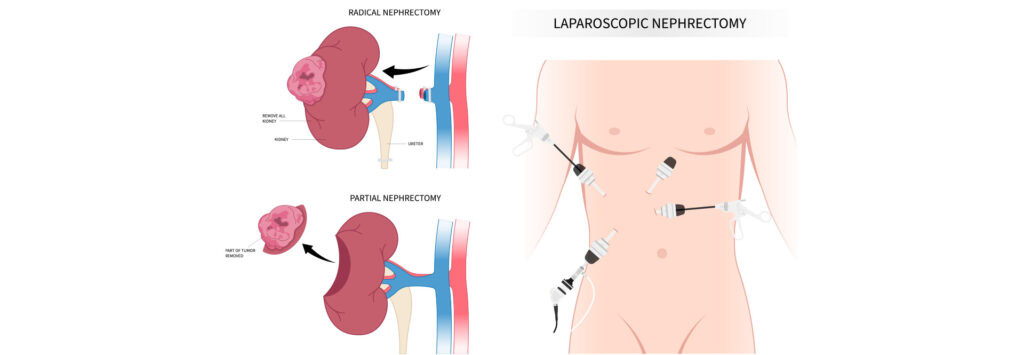
- Surgical equipment (laparoscopy, endoscopy systems)
- ICU equipment (ventilators, monitors)
- Sterilization units
👉 Choose cost-effective, high-quality equipment suppliers to optimize ROI.
6.Hiring Qualified Staff
Your hospital’s success depends on skilled professionals:
- Doctors & Surgeons
- Nurses & Technicians
- Administrative staff
- Housekeeping & support staff
👉 Focus on training, patient care, and communication skills.
7. IT Infrastructure & Hospital Management System (HMS)
Implement digital systems for efficiency:
- Electronic Medical Records (EMR)
- Appointment scheduling
- Billing and insurance processing
- Inventory management
👉 A good HMS improves patient experience and operational efficiency.
8. Financial Planning & Investment
Cost Breakdown
- Land & construction
- Equipment purchase
- Licensing & legal fees
- Staff salaries
- Marketing budget
Funding Options
- Bank loans
- Private investors
- Government healthcare schemes
9.Hospital Branding and Marketing
Digital Marketing Strategies
- SEO-optimized website
- Google My Business listing
- Social media presence
- Patient testimonials
Offline Marketing
- Health camps
- Local partnerships
- Referral networks
👉 Focus on trust-building and patient satisfaction.
10. Quality Standards and Accreditation
Achieving NABH accreditation improves:
- Patient safety
- Hospital credibility
- Insurance partnerships

11. Challenges in Setting Up a Hospital
- High initial investment
- Regulatory complexities
- Staff retention
- Competition
👉 Overcome these with proper planning and expert consultation.
Conclusion
Setting up a hospital is a significant investment that requires careful planning, compliance, and commitment to quality healthcare. By focusing on infrastructure, skilled staff, modern technology, and patient care, you can build a successful and sustainable healthcare institution.
Get Connected:
+91 79909 93062 | +91 63513 72032 | exports@jdmeditech.com