
A tonsillectomy is a surgical procedure to remove the tonsils, two small glands located at the back of the throat. These glands are part of the immune system and help fight infections. However, in some cases, they themselves can become frequently infected or cause other health problems, making their removal necessary.
Why Is a Tonsillectomy Done?
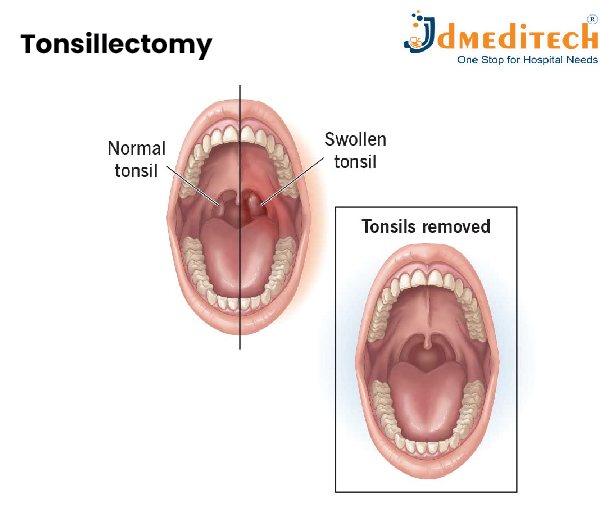
A tonsillectomy may be recommended for:
- Recurrent tonsillitis: Frequent infections of the tonsils that do not respond well to medication.
- Sleep apnea: Enlarged tonsils can block the airway, causing breathing difficulties during sleep.
- Difficulty swallowing: Enlarged tonsils can interfere with normal swallowing.
- Chronic tonsil infections: Persistent infections leading to abscesses or other complications.
How Is the Surgery Performed?
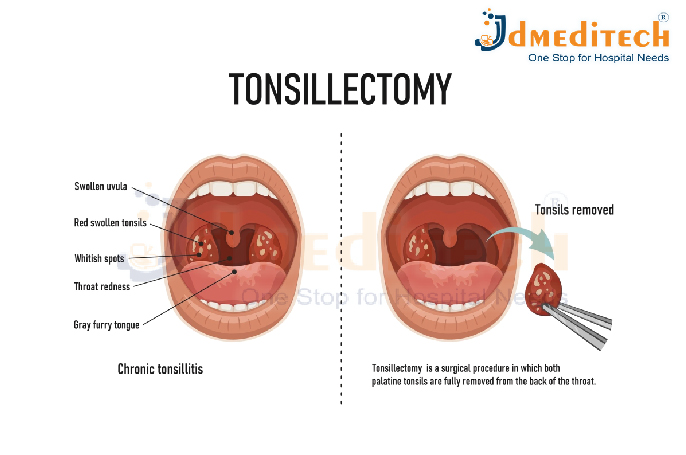
Your healthcare provider will give you general anesthesia to keep you asleep and comfortable during your procedure. Next, they’ll remove your tonsils. You won’t feel pain during this step. Surgeons use many methods to perform tonsillectomies, including :
- Electrocautery: This method uses heat to remove the tonsils and stop any bleeding.
- Cold knife (steel) dissection: A surgeon uses a scalpel (traditional surgical knife) to remove your tonsils. Then, they’ll stop the bleeding with electrocautery (extreme heat) or sutures.
- Snare tonsillectomy: A surgeon uses a special surgical instrument called a snare, which has a thin wire loop at the end. Once your surgeon frees your tonsil, they’ll place this device around it to clamp it off. This helps reduce bleeding.
- Harmonic scalpel: This method uses ultrasonic vibrations to remove your tonsils and stop bleeding at the same time.
- Other methods include the use of radiofrequency ablation techniques, carbon dioxide lasers, and/or a microdebrider (which uses a combination of suction and cutting).
Before Tonsillectomy Surgery
Before undergoing a tonsillectomy, patients should prepare for the procedure to ensure safety and a smooth recovery:
- Medical Evaluation: Your ENT doctor will review your medical history, current medications, and any allergies.
- Fasting: You may be asked not to eat or drink for several hours before surgery.
- Medications: Certain medications, especially blood thinners, may need to be paused before surgery.
- Arrangements: Arrange for someone to accompany you to and from the hospital.
- Expectations: Understand the procedure, risks, and recovery process by discussing them with your doctor.
After Tonsillectomy Surgery
Recovery after tonsillectomy is crucial for healing and minimizing complications:
- Hospital Stay: Most patients are discharged the same day or after an overnight stay.
- Pain Management: Throat pain is common; prescribed pain medications help manage discomfort.
- Diet: Soft, cool foods like yogurt, ice cream, and soups are recommended. Avoid spicy or hard foods.
- Hydration: Drink plenty of fluids to prevent dehydration.
- Rest: Take adequate rest and avoid strenuous activity for 1–2 weeks.
- Follow-Up: Attend follow-up appointments to monitor healing and address any concerns.
Benefits of Tonsillectomy
A tonsillectomy offers several health and lifestyle benefits, especially for individuals suffering from chronic tonsil problems:
- Reduces Frequent Infections
Removing the tonsils can significantly decrease the number of throat infections, such as tonsillitis, leading to fewer sick days and less antibiotic use. - Improves Sleep Quality
Enlarged tonsils can block the airway, causing sleep apnea or snoring. Tonsil removal can improve breathing during sleep and enhance overall rest. - Eases Swallowing and Eating
For patients with enlarged tonsils, swallowing can be painful or difficult. A tonsillectomy makes eating and drinking more comfortable. - Prevents Complications
Chronic tonsil infections can lead to abscesses or spread infections to nearby tissues. Removing the tonsils reduces these risks. - Boosts Overall Quality of Life
Less throat pain, fewer infections, and improved sleep can result in better energy, concentration, and daily functioning, especially in children.
Conclusion
Tonsillectomy is an effective solution for chronic or severe tonsil problems and can significantly improve quality of life. If you or your child experience frequent tonsil infections, sleep disturbances, or difficulty swallowing, consult an ENT specialist to determine if a tonsillectomy is the right option.