Top Current Trends in Medical Device Innovation (2026 Guide)
Introduction
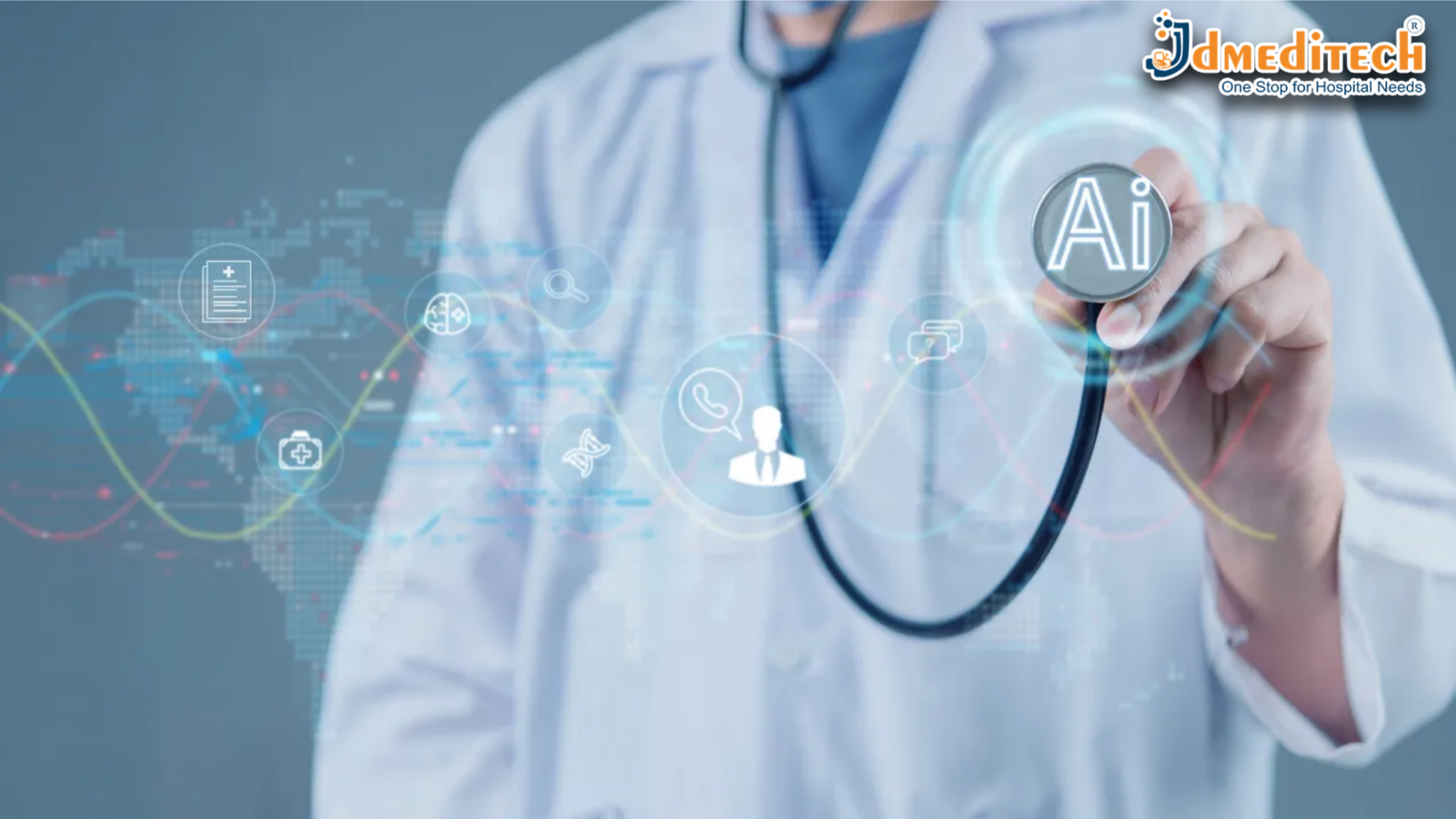
The medical device industry is undergoing rapid transformation driven by technological advancements, patient-centered care, and the demand for minimally invasive treatments. From AI-powered diagnostics to wearable health monitoring devices, innovation is reshaping how healthcare is delivered globally.
In this blog, we explore the top current trends in medical device innovation that are revolutionizing patient care, improving outcomes, and driving the future of healthcare.
1. Artificial Intelligence (AI) & Machine Learning Integration
Artificial Intelligence is at the forefront of medical device innovation. AI-powered systems are enhancing diagnostic accuracy, predicting disease progression, and assisting clinicians in decision-making.
Key Applications:
- AI-based imaging tools (radiology, pathology)
- Predictive analytics for early disease detection
- Smart surgical assistance systems
Benefits:
- Faster and more accurate diagnoses
- Reduced human error
- Improved patient outcomes
2. Wearable Medical Devices & Remote Monitoring
Wearable technology has become a major trend, allowing continuous health monitoring outside hospital settings.
Popular Devices:
- Smartwatches with ECG and oxygen monitoring
- Continuous glucose monitors (CGMs)
- Blood pressure monitoring wearables
Why It Matters:
- Enables real-time patient tracking
- Reduces hospital visits
- Supports telemedicine growth
3. Minimally Invasive & Robotic Surgery Devices
Patients and healthcare providers prefer minimally invasive procedures due to faster recovery and reduced complications.
Innovations Include:
- Robotic-assisted surgical systems
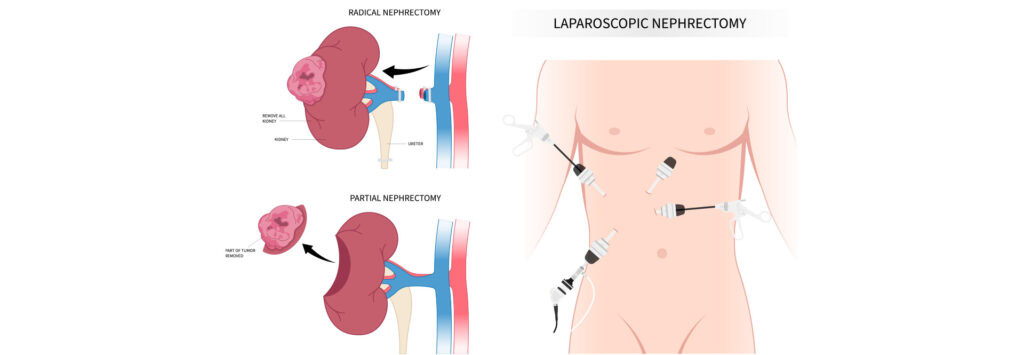
- Advanced laparoscopic tools
- Miniaturized surgical instruments
Advantages:
- Smaller incisions
- Less pain and scarring
- Shorter hospital stays
4. Internet of Medical Things (IoMT)
IoMT refers to interconnected medical devices that communicate through the internet.
Examples:
- Smart infusion pumps
- Connected imaging devices
- Remote patient monitoring systems
Impact:
- Improved data sharing between providers
- Real-time monitoring and alerts
- Enhanced clinical decision-making
5. 3D Printing in Medical Devices
3D printing is transforming how medical devices and implants are designed and manufactured.
Applications:
- Customized prosthetics
- Patient-specific implants
- Surgical planning models
Benefits:
- Personalized treatment
- Faster production
- Cost efficiency
6. Smart Implants & Bioelectronics
Next-generation implants are becoming “smart” with integrated sensors and connectivity.
Examples:
- Smart orthopedic implants
- Neurostimulators
- Cardiac monitoring implants
Key Advantages:
- Continuous internal monitoring
- Early detection of complications
- Improved long-term outcomes
7. Digital Therapeutics (DTx)
Digital therapeutics are software-based medical interventions used to prevent, manage, or treat diseases.
Use Cases:
- Diabetes management apps
- Mental health treatment platforms
- Rehabilitation programs
Why It’s Growing:
- Non-invasive treatment option
- Personalized care plans
- Data-driven therapy
8. Point-of-Care Diagnostics
Rapid diagnostic tools are making testing faster and more accessible.
Examples:
- Portable ultrasound devices
- Rapid blood testing kits
- Handheld diagnostic tools
Benefits:
- Immediate results
- Improved emergency care
- Better rural healthcare access
9. Cybersecurity in Medical Devices
As devices become more connected, cybersecurity is a critical focus area.
Key Concerns:
- Data breaches
- Device hacking
- Patient privacy
Solutions:
- Advanced encryption
- Secure device software updates
- Regulatory compliance
10. Sustainable & Eco-Friendly Medical Devices
Sustainability is becoming a priority in healthcare innovation.
Trends:
- Reusable devices
- Eco-friendly materials
- Reduced medical waste
Impact:
- Lower environmental footprint
- Cost savings
- Compliance with global sustainability goals
Future Outlook
The future of medical device innovation will be driven by personalization, connectivity, and automation. Emerging technologies such as nanotechnology, augmented reality (AR), and blockchain are expected to further revolutionize the industry.
Conclusion
Medical device innovation is transforming healthcare by making it more efficient, accessible, and patient-centered. Staying updated with these trends is essential for healthcare providers, manufacturers, and patients alike.
As technology continues to evolve, the integration of AI, IoMT, and personalized devices will define the next generation of healthcare solutions.
Get Connected:
+91 79909 93062 | +91 63513 72032 | exports@jdmeditech.com