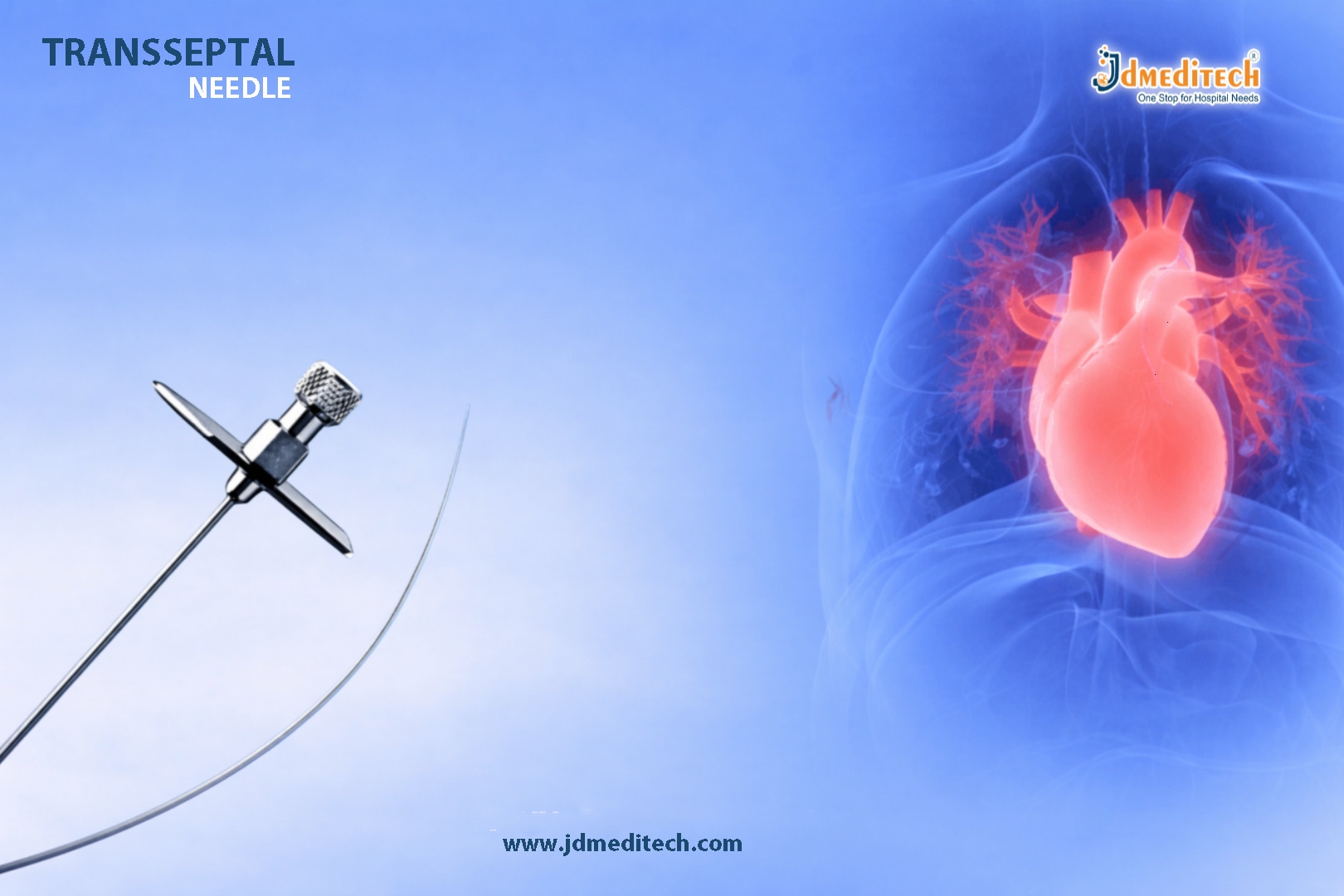
The transseptal needle is a critical instrument in modern interventional cardiology. It enables physicians to access the left atrium safely through a controlled septal puncture. As cardiac procedures continue to advance, the demand for precision tools like the transseptal needle has significantly increased.
Moreover, this device plays a key role in procedures such as atrial fibrillation ablation, mitral valve interventions, and structural heart treatments. Therefore, choosing a high-quality transseptal needle ensures both safety and procedural success.
What is a Transseptal Needle?
A transseptal needle is a specialized medical device used to puncture the interatrial septum. This allows clinicians to gain access to the left atrium from the right atrium during minimally invasive cardiac procedures.
Typically, the transseptal needle is used along with a transseptal sheath and dilator system. As a result, it provides a controlled and accurate pathway for catheter-based interventions.
Key Features of Transseptal Needle
1. Precision-Engineered Tip
The sharp and accurately designed tip of the transseptal needle ensures smooth and controlled septal puncture. Consequently, it minimizes trauma to surrounding tissues.
2. High-Quality Stainless Steel Construction
Manufactured using premium-grade materials, the transseptal needle offers durability and consistent performance. In addition, it resists bending under pressure.
3. Enhanced Flexibility and Control
The ergonomic design provides excellent handling. Therefore, clinicians can perform precise maneuvers during complex procedures.
4. Radiopaque Markers
Many advanced transseptal needles include radiopaque markers. This improves visibility under fluoroscopy and enhances procedural accuracy.
5. Compatibility with Sheath Systems
The transseptal needle is designed to be compatible with standard transseptal sheath and dilator systems. Hence, it integrates seamlessly into existing setups.
Clinical Applications of Transseptal Needle
The transseptal needle is widely used in:
- Atrial Fibrillation Ablation Procedures
- Left Atrial Appendage Closure (LAAC)
- Mitral Valve Repair and Replacement
- Electrophysiology Studies
- Structural Heart Interventions
Because of its versatility, the transseptal needle has become indispensable in cardiac catheterization labs.
Benefits of Using a High-Quality Transseptal Needle
Improved Patient Safety
A well-designed transseptal needle reduces the risk of complications during septal puncture.
Enhanced Procedural Efficiency
Due to its precision, the transseptal needle helps reduce procedure time.
Accurate Left Atrial Access
Reliable access ensures successful completion of complex cardiac interventions.
Reduced Tissue Trauma
The optimized tip design minimizes unnecessary damage.
Why Choose JDMeditech Transseptal Needle?
At JDMeditech, we focus on delivering precision-engineered medical devices. Our transseptal needle is designed to meet the highest clinical standards.
Key Advantages:
- Superior build quality
- Consistent performance
- Excellent operator control
- Designed for safe septal puncture
- Compatible with leading sheath systems
How to Use a Transseptal Needle Safely
Although the transseptal needle is highly effective, proper technique is essential.
- Always use imaging guidance (fluoroscopy or echocardiography)
- Ensure correct positioning before puncture
- Apply controlled pressure
- Confirm entry into the left atrium before advancing
Therefore, trained professionals must handle the transseptal needle to ensure optimal outcomes.
Conclusion
In conclusion, the transseptal needle is an essential tool in advanced cardiac procedures. Its precision, safety, and compatibility make it a preferred choice for clinicians worldwide.
As cardiac interventions evolve, investing in a high-quality transseptal needle ensures better outcomes and improved patient care. Therefore, choosing a trusted manufacturer like JD Meditech can make a significant difference in clinical performance.