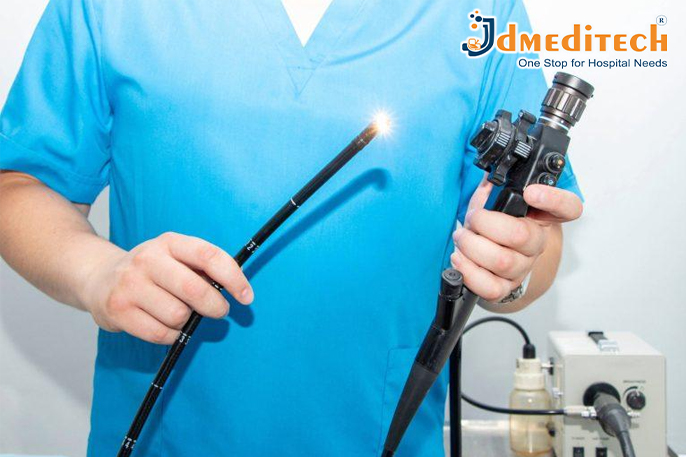
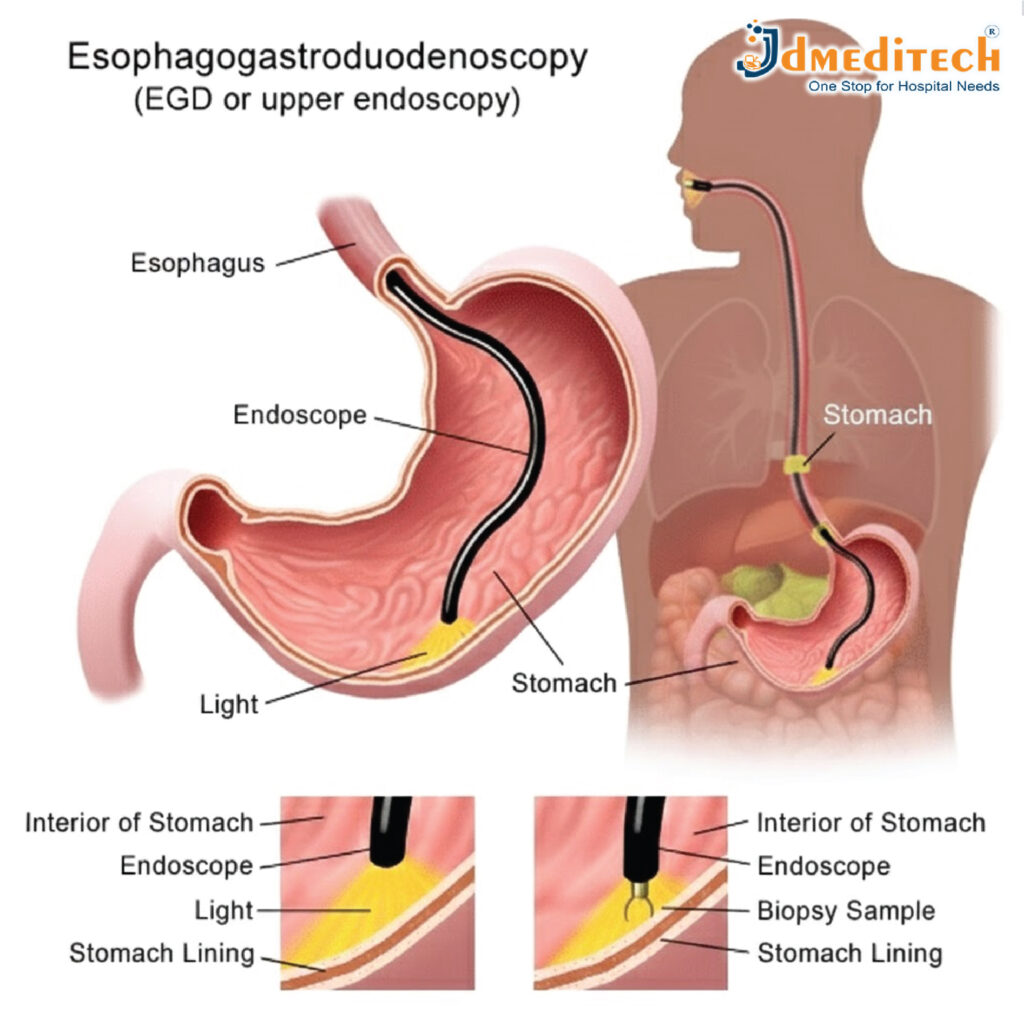
The medical term for an upper endoscopy is esophagogastroduodenoscopy. You may have an upper endoscopy done in your health care provider’s office, an outpatient surgery center, or a hospital.
This procedure is done using a long, flexible tube called an endoscope. The tube has a tiny light and video camera on one end. The tube is put into your mouth and throat. Then it is slowly pushed through your esophagus and stomach and into your duodenum. Video images from the tube are seen on a monitor.
Why is it done?
1. Investigating Symptoms
- Persistent heartburn or acid reflux
- Difficulty swallowing or pain while swallowing
- Nausea, vomiting, or unexplained weight loss
- Upper abdominal pain or discomfort
2 Detecting Conditions
- Gastroesophageal reflux disease (GERD)
- Ulcers in the stomach or duodenum
- Inflammation of the esophagus (esophagitis) or stomach (gastritis)
- Polyps, tumors, or cancer
- Infections, such as Helicobacter pylori
3 Monitoring and Screening
- Follow-up for known digestive tract conditions
- Screening for cancer or precancerous changes, especially in high-risk individuals
4 Treatment Purposes
- Removing polyps or foreign objects
- Stopping bleeding from ulcers
- Dilating strictures (narrowed areas) in the esophagus
What Happens During an Upper GI Endoscopy?
1. Preparation
-
- You will be asked to fast for 6–8 hours before the procedure to ensure your stomach is empty.
- Your doctor may review your medications and health history.
-
Sedation and Comfort
- A mild sedative or local anesthetic spray for the throat is given to make you comfortable.
- Most patients stay awake but relaxed, while some may receive stronger sedation to sleep lightly.
-
Insertion of the Endoscope
- A thin, flexible tube with a camera (endoscope) is gently passed through your mouth and throat into the esophagus, stomach, and duodenum.
- You may feel some pressure or gagging, but discomfort is usually minimal.
-
Examination
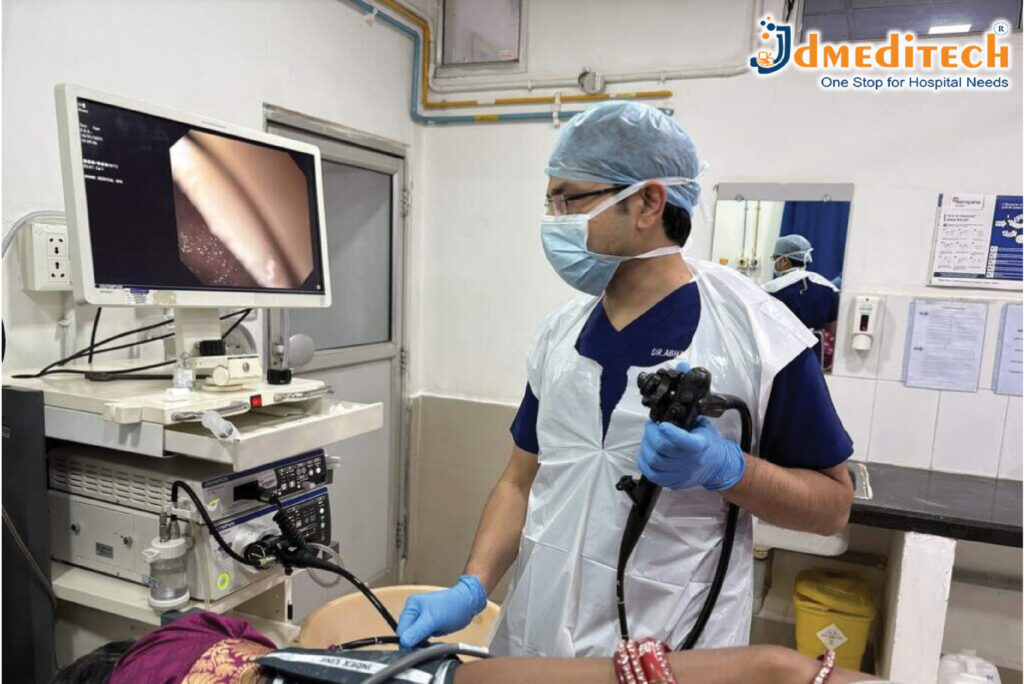
- The doctor carefully examines the lining of your upper digestive tract on a monitor.
- Images may be taken for records.
-
Biopsy or Minor Treatment (if needed)
- Small tissue samples (biopsies) can be taken for testing.
- Minor procedures, like removing polyps, dilating narrowed areas, or stopping bleeding, can be performed through the endoscope.
-
Completion and Recovery
- The endoscope is gently removed, and you are monitored for a short period.
- Most patients can go home the same day, though someone should accompany you if sedation was used.
- You may feel a sore throat, bloating, or mild cramping, which usually goes away quickly.
Risks of Upper GI Endoscopy
- Bleeding—This may occur at the site where tissue samples (biopsies) are taken or polyps are removed. Usually, the bleeding is minor and stops on its own.
- Perforation—Rarely, a tear in the lining of the esophagus, stomach, or duodenum can happen. Some cases may require surgery to repair.
- Reaction to Sedation—Some patients may experience an adverse reaction to the sedative, affecting breathing or heart function. Doctors can manage this promptly with medications or IV fluids.
Conclusion
Upper GI endoscopy is a valuable diagnostic and therapeutic tool for various gastrointestinal conditions. Early detection through this procedure can prevent complications and guide effective treatment. If you experience persistent digestive issues, consult your doctor to see if an upper GI endoscopy is right for you.