
What is urodynamic testing?
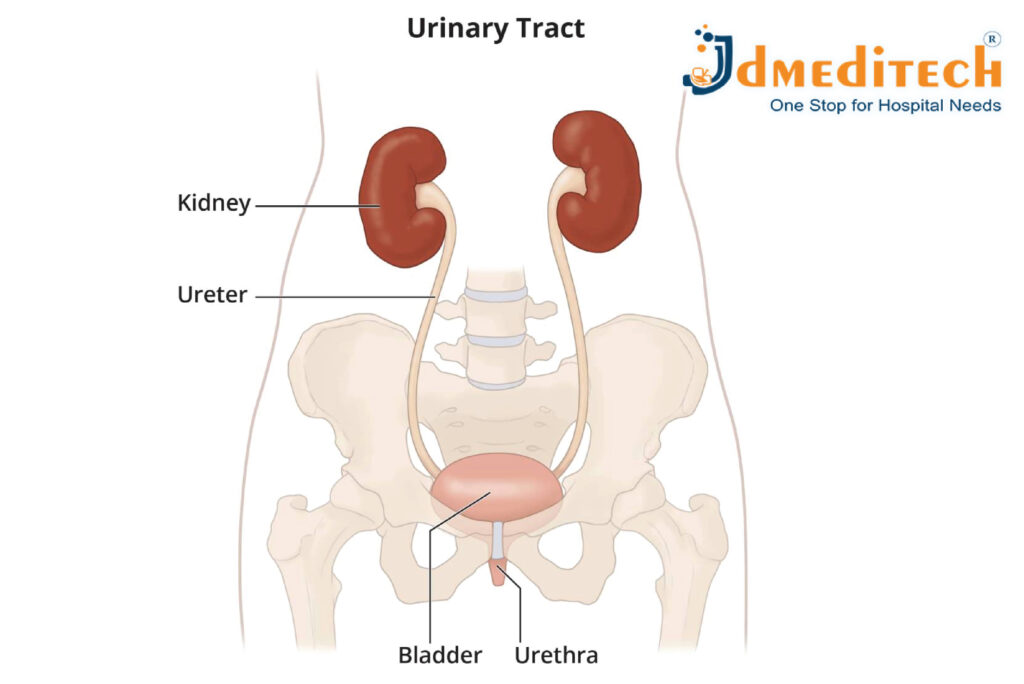
Urodynamic testing measures the function of your lower urinary tract. It evaluates the bladder’s ability to hold urine, empty efficiently, and the coordination of nerves and muscles involved in urination. This testing is particularly useful when symptoms are not explained by simpler evaluations like urine tests or imaging.
Why Doctors Recommend Urodynamic Testing
Doctors may recommend urodynamic testing if you experience:
- Frequent urination or urgency
- Difficulty starting urination
- Weak urine flow or interrupted stream
- Urinary incontinence (leakage)
- Recurrent urinary tract infections
- Symptoms after prostate surgery or pelvic surgery
This testing helps pinpoint the cause of urinary symptoms, ensuring the right treatment plan—whether medication, physical therapy, or surgery.
How Urodynamic Testing is Performed
The testing usually involves several procedures:
- Cystometry—Measures how much your bladder can hold and how it behaves when filling with liquid.
- Uroflowmetry—Assesses the strength and pattern of urine flow.
- Post-void Residual Measurement—Checks the amount of urine left in the bladder after urination.
- Pressure Flow Study – Evaluates bladder pressure during urination.
- Electromyography (EMG)—Measures the electrical activity of the muscles around the bladder and urethra.
During the tests, a thin catheter may be inserted into the bladder, and sensors may be placed on the pelvic area to measure muscle activity.
Risks of Urodynamic Testing
Urodynamic testing is generally safe, but some minor risks may include:
- Temporary discomfort or burning sensation during urination
- Mild urinary tract infection
- Minor bladder irritation
Your doctor may prescribe antibiotics or recommend precautions to minimize these risks.
Preparing for Urodynamic Testing
Preparation may vary depending on the type of test, but common steps include:
- Emptying your bladder before the test
- Avoiding caffeine or alcohol
- Informing your doctor about medications that may affect urination
Conclusion
Urodynamic testing provides valuable insights into the function of your bladder and urinary system. If you are experiencing urinary problems, consulting a urologist for these tests can help identify the cause and guide effective treatment. Early diagnosis can improve quality of life and prevent further complications.