



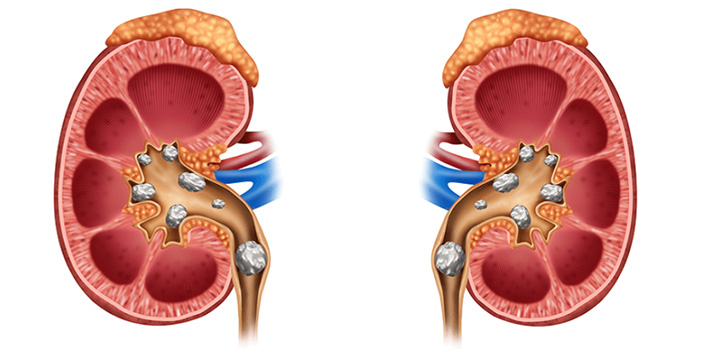
Percutaneous nephrolithotomy, or PCNL surgery, removes large or complex kidney stones. During PCNL, a surgeon reaches the kidney through a small opening in the patient’s back or side.
The surgeon then breaks the stones into smaller pieces and removes them. Therefore, PCNL can treat stones that may not respond well to other procedures.
What Is PCNL Surgery?
PCNL is a minimally invasive kidney stone procedure. It gives the surgeon direct access to the kidney through a small surgical track.
First, the surgeon creates a small opening in the back or side. Next, the surgeon places a tube called a sheath into the kidney. The sheath allows instruments to reach and remove the stones.
Compared with open kidney surgery, PCNL usually requires a smaller incision. As a result, many patients experience a shorter recovery period.
When Do Doctors Recommend PCNL?
A urologist may recommend PCNL when a kidney stone is large, complex or difficult to treat. However, the final decision depends on the patient’s condition.
Doctors may consider PCNL for:
- Kidney stones larger than 2 cm
- Staghorn stones that fill several parts of the kidney
- Multiple kidney stones
- Hard stones that resist other treatments
- Stones that did not respond to shock wave treatment
- Stones that cannot be treated effectively with ureteroscopy
- Stones that cause blockage, infection or kidney problems
In addition, the doctor considers the stone’s location and the patient’s anatomy. Overall health and previous treatments also affect the treatment plan.
Preparation Before PCNL Surgery
Before PCNL, the medical team checks the patient’s health and studies the kidney stones. This evaluation helps the surgeon plan a safe route into the kidney.
Imaging Tests
The doctor may request a CT scan, ultrasound or X-ray. These tests show the number, size and location of the stones.
Moreover, imaging helps the surgeon study the kidney’s internal structure. The surgeon can then select a suitable entry point.
Blood and Urine Tests
Blood tests check kidney function, blood count and blood-clotting ability. Meanwhile, a urine test looks for signs of infection.
If tests detect an infection, the doctor may prescribe antibiotics. The medical team may delay surgery until the infection improves.
Medicine Review
Patients should tell the doctor about all medicines and supplements they take. In particular, they should mention blood-thinning medicines.
The doctor will explain whether the patient needs to pause any medicine. However, patients should never stop prescribed medicine without medical advice.
Fasting and Anaesthesia
The hospital provides instructions about eating and drinking before surgery. Patients should follow these instructions carefully.
An anaesthesia specialist also reviews the patient’s health. General anaesthesia usually keeps the patient asleep and comfortable during PCNL.
PCNL Surgery: Step-by-Step Procedure
1. Anaesthesia and Positioning
First, the anaesthesia team gives general anaesthesia. The surgical team then places the patient in a suitable position.
Surgeons may perform PCNL with the patient lying face down or on the back. Therefore, positioning can vary according to the surgical plan.
2. Locating the Kidney Stone
Next, the surgeon uses ultrasound, fluoroscopy or both to locate the kidney. These imaging methods also help the surgeon choose an entry path.
3. Creating Access to the Kidney
The surgeon passes a thin needle through the skin and into the kidney. Imaging helps guide the needle safely.
After confirming the correct position, the surgeon passes a guidewire through the needle. The guidewire provides a route for the next instruments.
4. Widening the Surgical Track
The surgeon gradually widens the track with special dilators. This step creates enough space for the working sheath.
Although the opening remains small, it provides direct access to the kidney. As a result, the surgeon can treat large stones through the track.
5. Placing the Amplatz Sheath
Next, the surgeon passes a hollow tube called an Amplatz sheath into the widened track. The sheath maintains access to the kidney during surgery.
Furthermore, it allows the surgeon to pass the nephroscope and other instruments. It also helps protect the surrounding tissue during instrument movement.
6. Viewing the Stone
The surgeon passes a nephroscope through the sheath. A nephroscope contains a viewing system that shows the inside of the kidney.
The surgeon then locates the stones and checks their size and position. Therefore, the treatment can target each visible stone.
7. Breaking the Kidney Stones
The surgeon may use ultrasonic, pneumatic or laser energy to break large stones. The selected method depends on the equipment and stone characteristics.
After fragmentation, the surgeon removes the smaller pieces. Special graspers or suction systems can help with stone removal.
8. Checking the Kidney
The surgeon checks the kidney for remaining fragments. In addition, the team may use imaging to confirm the result.
Sometimes, complete removal may require another procedure. This can happen when stones are numerous or difficult to reach.
9. Placing a Drainage Tube or Stent
The surgeon may place a nephrostomy tube through the surgical track. This tube drains urine and supports healing.
Alternatively, the surgeon may place a ureteral stent inside the urinary tract. However, some suitable patients may not need an external drainage tube.
10. Completing the Procedure
Finally, the surgeon removes the instruments and secures the surgical site. The team then covers the area with a sterile dressing.
Afterwards, the medical team moves the patient to a recovery area. Staff monitor breathing, blood pressure, pain and urine output.
Recovery After PCNL Surgery
Hospital stay and recovery time can vary. Many patients stay in the hospital for one or more days after surgery.
During this time, the medical team checks for bleeding, infection and urinary problems. In addition, staff provide fluids and pain-relief medicine.
Pain Management
Patients may experience soreness around the incision. However, prescribed medicine can help control the discomfort.
Patients should take medicines exactly as their doctor directs. They should also report severe or increasing pain.
Nephrostomy Tube Care
If the surgeon places a nephrostomy tube, the medical team will monitor it. The team removes the tube when drainage and healing are satisfactory.
However, the required time varies between patients. Some people may go home with the tube and receive care instructions.
Activity After Surgery
Patients should begin with gentle activity and avoid heavy lifting. They should also keep the incision clean and dry.
Many people return to normal activities within a few weeks. Nevertheless, recovery depends on the surgery and the patient’s health.
Food and Hydration
The doctor may recommend adequate fluid intake after surgery. Proper hydration may also help reduce the risk of new stones.
In addition, the doctor may suggest dietary changes after reviewing the stone type. Patients should follow personalised medical advice.
Follow-Up After PCNL
The doctor may arrange imaging after surgery. This scan checks for remaining stones and monitors kidney healing.
Furthermore, the doctor may analyse the removed stone fragments. The results can help guide diet, medication and future prevention.
Benefits of PCNL Surgery
PCNL can offer several benefits for suitable patients:
- Effective treatment for large kidney stones
- Removal of complex or branching stones
- Direct access to the kidney
- Removal of several stones during one operation
- Smaller incision than open surgery
- Shorter recovery than traditional open surgery
- High stone-clearance potential
However, no procedure can guarantee complete stone removal. Results depend on stone size, number, location and kidney anatomy.
Possible Risks of PCNL
PCNL is a common procedure, but it still carries possible risks. These may include:
- Bleeding
- Urinary infection or sepsis
- Injury to the kidney or nearby organs
- Urine leakage
- Remaining stone fragments
- Need for a blood transfusion
- Need for another procedure
- Complications related to anaesthesia
The urologist should explain the expected benefits and individual risks before surgery.
When Should You Contact the Doctor?
Patients should seek medical advice if they develop severe or unusual symptoms. Important warning signs include:
- Fever or chills
- Severe or increasing pain
- Heavy bleeding or large blood clots
- Difficulty passing urine
- Persistent nausea or vomiting
- Redness, swelling or discharge around the wound
- Problems with a nephrostomy tube
Conclusion
PCNL surgery provides an effective treatment option for large or complex kidney stones. It allows the surgeon to reach the kidney through a small opening.
Moreover, PCNL can remove stones that may not respond to other treatments. However, recovery and results vary between patients.
Patients should consult a qualified urologist for personalised advice. The doctor can explain the procedure, benefits, risks and alternative treatments.
This article provides general educational information. It does not replace professional medical advice, diagnosis or treatment.




