Knee pain is one of the most common joint problems affecting people of all ages, especially older adults. When the pain becomes severe and limits everyday activities, knee replacement surgery can offer a long-term solution.
This procedure has helped millions of people worldwide regain mobility, reduce pain, and improve their quality of life.
What is Knee Replacement Surgery?
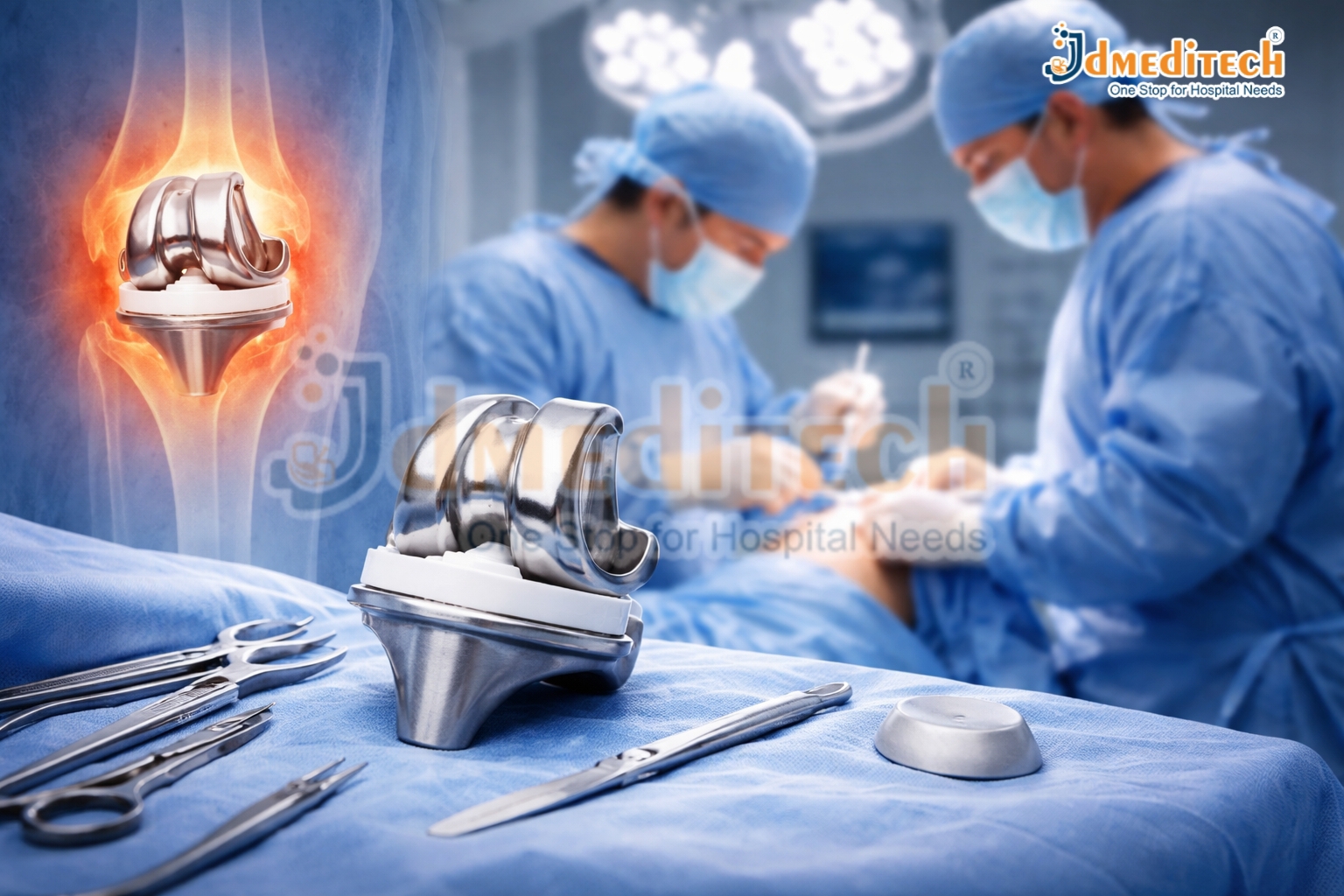
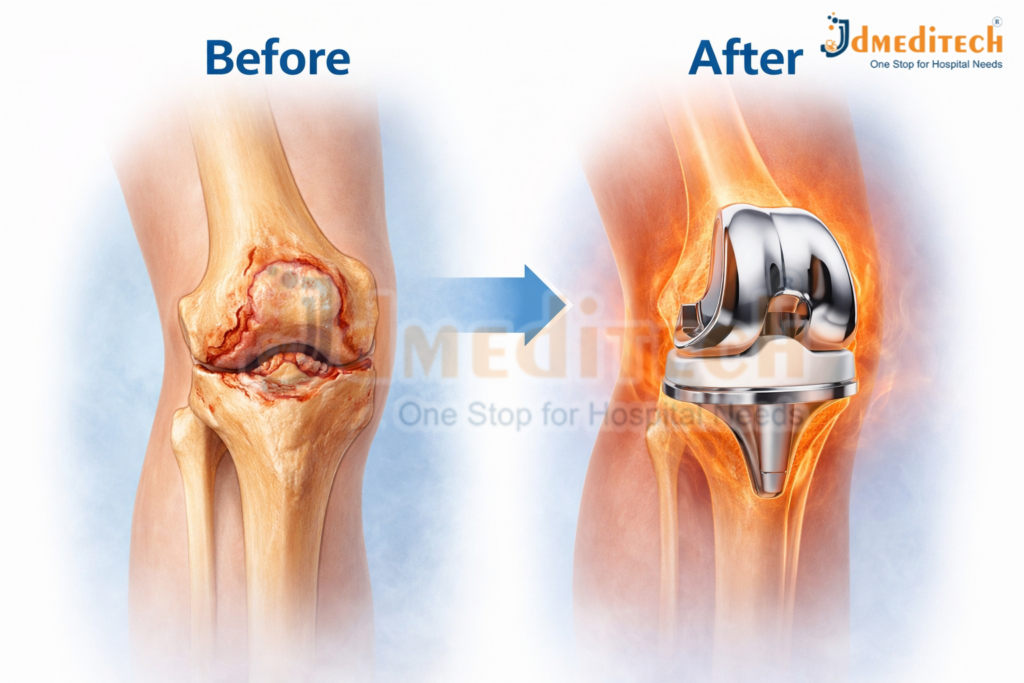
Knee replacement surgery, also known as knee arthroplasty, is a surgical procedure in which damaged parts of the knee joint are replaced with artificial components made of metal and plastic.
These artificial joints are designed to replicate the natural movement of the knee, allowing smoother and pain-free motion.
Who Needs Knee Replacement Surgery?
Doctors may recommend knee joint replacement if you experience:
- Persistent knee pain even at rest
- Difficulty walking, climbing stairs, or bending
- Swelling and stiffness in the knee
- Limited mobility affecting daily life
- No relief from medications or physiotherapy
The most common causes include:
- Osteoarthritis
- Rheumatoid arthritis
- Knee injuries or trauma
Types of Knee Replacement Surgery
- Total Knee Replacement (TKR)
The entire knee joint is replaced. This is the most commonly performed procedure.
- Partial Knee Replacement (PKR)
Only the damaged portion of the knee is replaced, preserving healthy tissue
- Revision Knee Replacement
A follow-up surgery done when a previous knee replacement needs correction or replacement.
The Procedure :-
Knee replacement surgery typically involves:
- Removing damaged cartilage and bone
- Preparing the bone surfaces
- Placing the artificial implant
- Ensuring proper alignment and movement
The surgery usually takes about 1 to 2 hours and is performed under anesthesia.
Recovery and Rehabilitation
Recovery is a critical part of the success of knee replacement surgery.
- Patients usually start walking within 1–2 days
- Physical therapy begins soon after surgery
- Most people resume daily activities within 6–12 weeks
- Full recovery may take a few months
Consistent rehabilitation helps restore strength and mobility.
Benefits of Knee Replacement Surgery
- Significant reduction in pain
- Improved joint function and flexibility
- Better quality of life
- Ability to return to normal daily activities
Risks and Complications
Like any surgical procedure, knee replacement carries some risks:
- Infection
- Blood clots
- Implant wear or loosening over time
- Temporary stiffness
However, modern techniques have made this surgery safe and highly successful.
Conclusion
Knee replacement surgery is a proven and effective solution for individuals suffering from severe knee pain and mobility issues. With proper care, rehabilitation, and medical guidance, patients can return to an active and pain-free life.
If knee pain is affecting your daily routine, consulting an orthopedic specialist can help determine whether this procedure is the right option for you.
Get Connected:
+91 79909 93062 | +91 63513 72032 | exports@jdmeditech.com