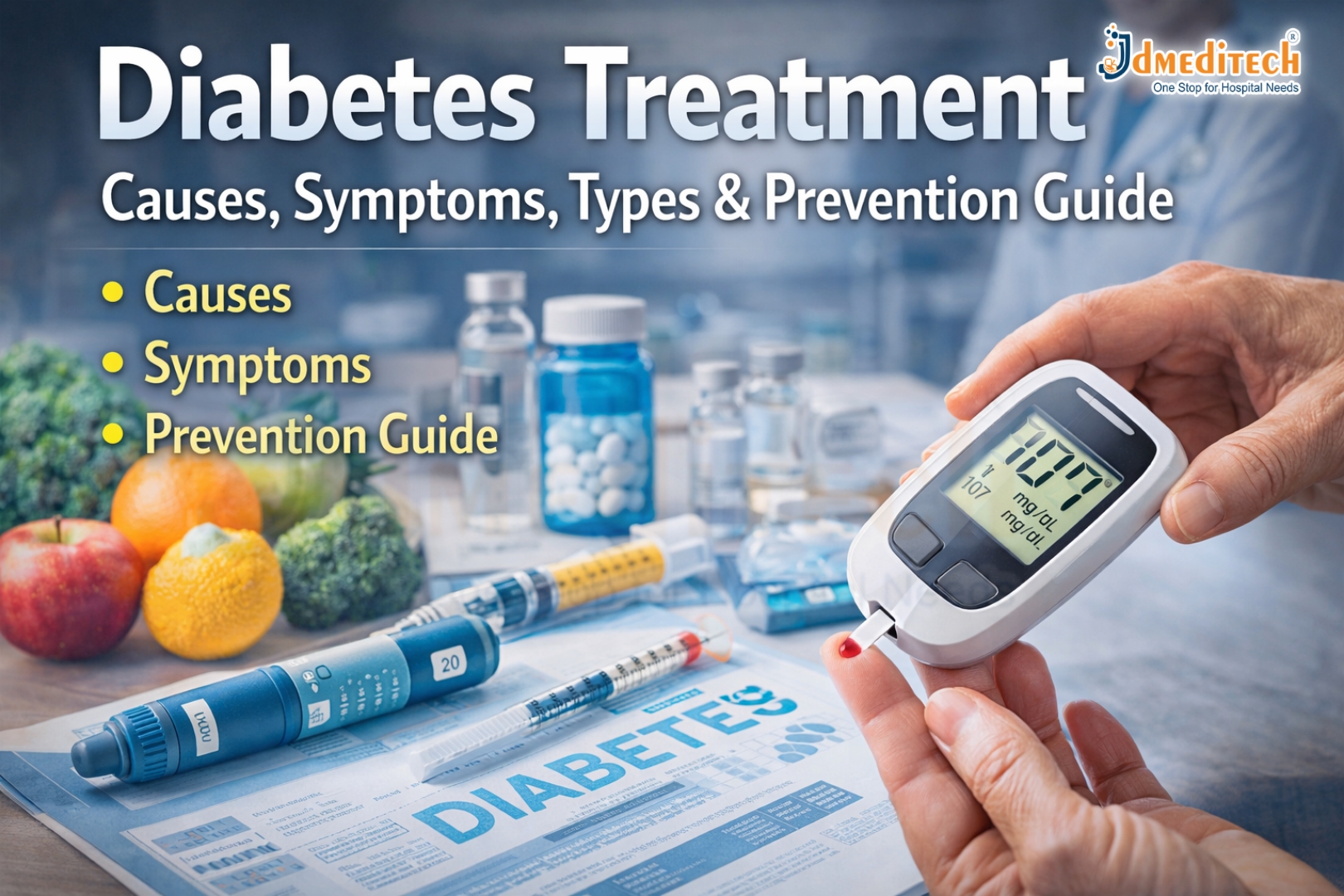
Diabetes is a chronic medical condition that affects how your body uses blood sugar (glucose). Glucose is essential for energy, but too much sugar in the blood can lead to serious health problems. With the rising number of diabetes cases worldwide, understanding its causes, symptoms, and diabetes treatment options is more important than ever.
What is Diabetes?
Diabetes occurs when your body either does not produce enough insulin or cannot use insulin properly. Insulin is a hormone that helps glucose enter your cells for energy. When this process fails, blood sugar levels rise.
Types of Diabetes
1. Type 1 Diabetes
Type 1 diabetes is an autoimmune condition where the body attacks insulin-producing cells. It usually develops in children or young adults.
2. Type 2 Diabetes
Type 2 diabetes is the most common form. It occurs when the body becomes resistant to insulin or does not produce enough.
3. Gestational Diabetes
This type develops during pregnancy and usually disappears after childbirth, but it increases the risk of Type 2 diabetes later.
Causes of Diabetes
Several factors contribute to diabetes, including:
- Genetic factors
- Obesity
- Poor diet
- Lack of physical activity
- Hormonal imbalances
- Pancreatic disorders
Understanding these causes helps in early diagnosis and effective diabetes treatment.
Symptoms of Diabetes
Recognizing early symptoms is crucial for timely diabetes treatment:
- Frequent urination
- Excessive thirst
- Unexplained weight loss
- Fatigue
- Blurred vision
- Slow healing wounds
If you experience these symptoms, consult a healthcare professional immediately.
Diagnosis of Diabetes
Doctors use several tests to diagnose diabetes:
- Fasting Blood Sugar Test
- HbA1c Test
- Oral Glucose Tolerance Test
- Random Blood Sugar Test
Early diagnosis plays a key role in successful diabetes treatment and management.
Diabetes Treatment Options
Effective diabetes treatment focuses on controlling blood sugar levels and preventing complications.
1. Medications
Doctors may prescribe insulin or oral medications depending on the type of diabetes.
2. Healthy Diet
A balanced diet rich in fiber, vegetables, and whole grains helps control blood sugar.
3. Regular Exercise
Physical activity improves insulin sensitivity and supports diabetes treatment.
4. Blood Sugar Monitoring
Regular monitoring helps manage glucose levels effectively.
5. Lifestyle Changes
Maintaining a healthy weight and avoiding smoking are essential parts of diabetes treatment.
Complications of Diabetes
If left untreated, diabetes can lead to serious complications:
- Heart disease
- Kidney damage
- Nerve damage
- Eye problems
- Foot complications
Proper diabetes treatment reduces the risk of these complications.
Prevention of Diabetes
While Type 1 diabetes cannot be prevented, Type 2 diabetes can often be delayed or prevented:
- Maintain a healthy weight
- Eat a balanced diet
- Exercise regularly
- Avoid sugary foods and drinks
- Get regular health checkups
When to See a Doctor
Seek medical advice if you notice symptoms of diabetes or have a family history of the condition. Early diagnosis ensures better diabetes treatment outcomes.
Conclusion
Diabetes is a manageable condition if detected early and treated properly. With the right diabetes treatment plan, healthy lifestyle choices, and regular monitoring, individuals can live a normal and healthy life. Awareness and prevention play a key role in controlling this growing health concern.
Get Connected:
+91 79909 93062 | +91 63513 72032 | exports@jdmeditech.com