Dialysis Transducer Protector: Essential Safety Device for Hemodialysis Systems
Introduction
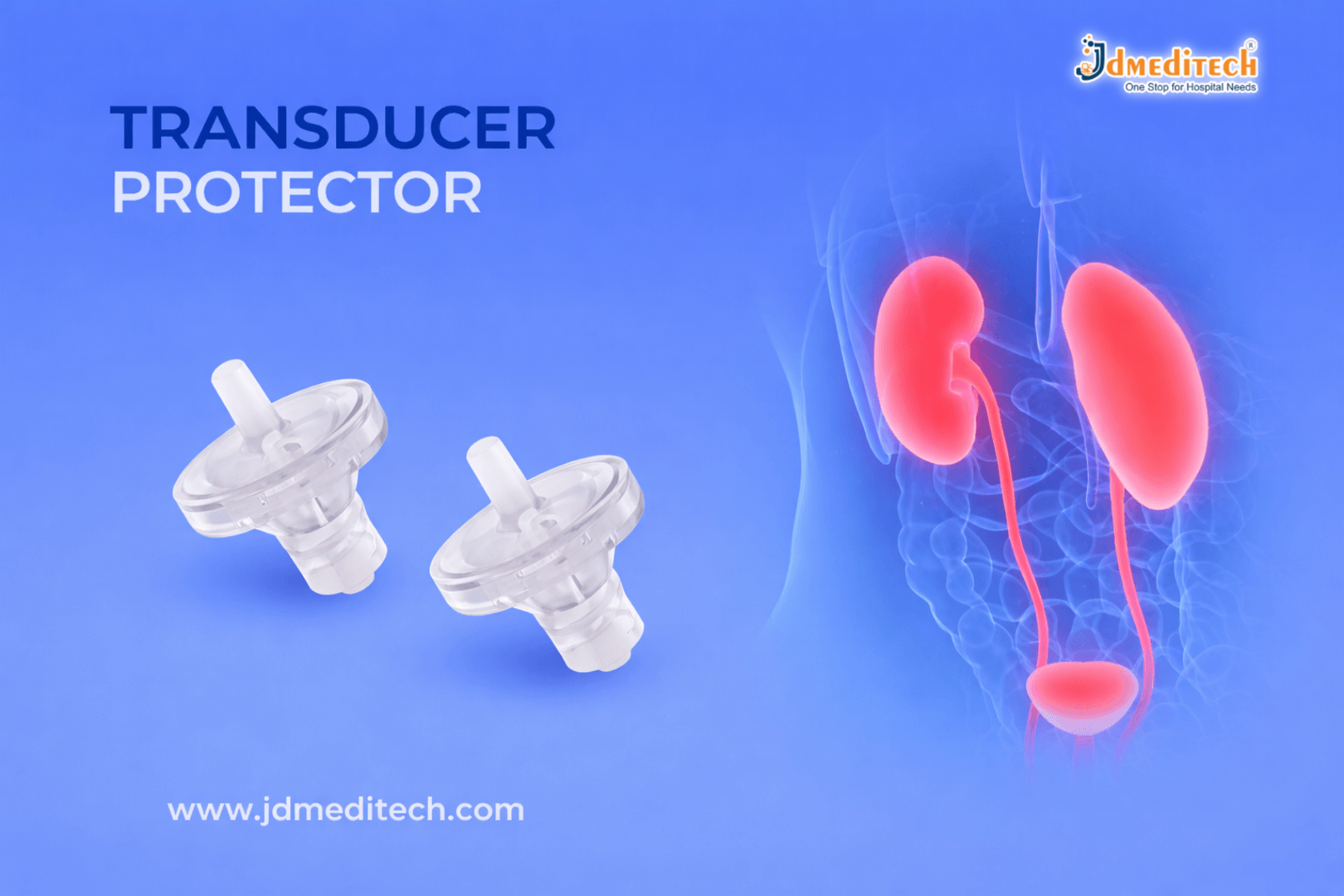
A Dialysis Transducer Protector is a small yet critical component used in hemodialysis machines to ensure patient safety and equipment protection. It acts as a barrier that prevents blood contamination from entering the dialysis machine’s pressure monitoring system.
In modern dialysis procedures, maintaining sterility and accuracy is vital. This is where the dialysis transducer protector plays a crucial role in delivering safe and effective treatment.
What is a Dialysis Transducer Protector?
A dialysis transducer protector is a disposable, sterile device designed to protect the pressure transducer in dialysis machines from contamination. It is typically placed between the bloodline and the pressure monitoring port.
Key Function:
- Prevents blood or fluid from entering the dialysis machine
- Maintains accurate pressure readings
- Reduces risk of infection and cross-contamination
Importance of Dialysis Transducer Protector in Hemodialysis
The dialysis transducer protector is essential for both patient safety and machine longevity.
1. Infection Prevention
It acts as a protective barrier, stopping bloodborne pathogens from contaminating the dialysis machine.
2. Accurate Pressure Monitoring
Ensures reliable pressure readings, which are critical for safe dialysis treatment.
3. Equipment Protection
Prevents damage to sensitive machine components, reducing maintenance costs.
4. Regulatory Compliance
Helps healthcare facilities meet safety and hygiene standards.
Key Features of Dialysis Transducer Protector
High-Quality Hydrophobic Membrane
Prevents fluid penetration while allowing air passage
Sterile and Disposable Design
Ensures single-use hygiene and safety
Universal Compatibility
Fits most dialysis machines and bloodline systems
Leak-Proof Construction
Minimizes risk of fluid leakage
Compact and Lightweight
Easy to install and replace
How Does a Dialysis Transducer Protector Work?
The dialysis transducer protector uses a hydrophobic membrane that allows air pressure to pass through while blocking liquids.
Working Principle:
- Blood flows through the dialysis tubing
- Pressure is transmitted through air to the transducer
- The protector blocks any fluid from reaching the machine
- Accurate pressure readings are maintained without contamination
Applications of Dialysis Transducer Protector
The dialysis transducer protector is widely used in:
- Hemodialysis procedures
- Dialysis centers and hospitals
- Intensive care units (ICU)
- Nephrology clinics
Benefits of Using Dialysis Transducer Protector
- Enhances patient safety
- Prevents machine contamination
- Reduces infection risks
- Improves dialysis accuracy
- Cost-effective solution for equipment protection
How to Choose the Right Dialysis Transducer Protector
When selecting a dialysis transducer protector, consider the following:
- Membrane quality and efficiency
- Compatibility with dialysis machines
- Sterility assurance
- Manufacturer reliability
- Compliance with medical standards
Maintenance and Usage Tips
- Always use a new dialysis transducer protectorfor each session
- Check for any damage before use
- Ensure proper connection to avoid leaks
- Dispose of after single use as per medical guidelines
Why Dialysis Transducer Protector is Critical in Modern Healthcare
In today’s healthcare environment, infection control is a top priority. The dialysis transducer protector helps ensure that dialysis procedures remain safe, hygienic, and efficient.
Without this device, there is a high risk of contamination, inaccurate readings, and potential equipment damage.
Conclusion
The Dialysis Transducer Protector is an indispensable component in hemodialysis systems. Its role in preventing contamination, ensuring accurate monitoring, and protecting equipment makes it essential for every dialysis setup.
Healthcare providers must prioritize high-quality dialysis transducer protectors to ensure optimal patient care and operational efficiency.
Get Connected:
+91 79909 93062 | +91 63513 72032 | exports@jdmeditech.com