In modern gastrointestinal endoscopy, accurate specimen collection is just as critical as the procedure itself. Among the essential accessories that support this process, the polyp trap plays a vital role. Designed to safely capture and retrieve excised tissue, a polyp trap in endoscopy ensures that valuable biopsy samples are not lost during suction.
As endoscopic procedures become more advanced, the need for reliable specimen collection tools continues to grow. Therefore, understanding the function, benefits, and applications of a polyp trap is essential for healthcare professionals aiming for precision and efficiency.
What is a Polyp Trap in Endoscopy?
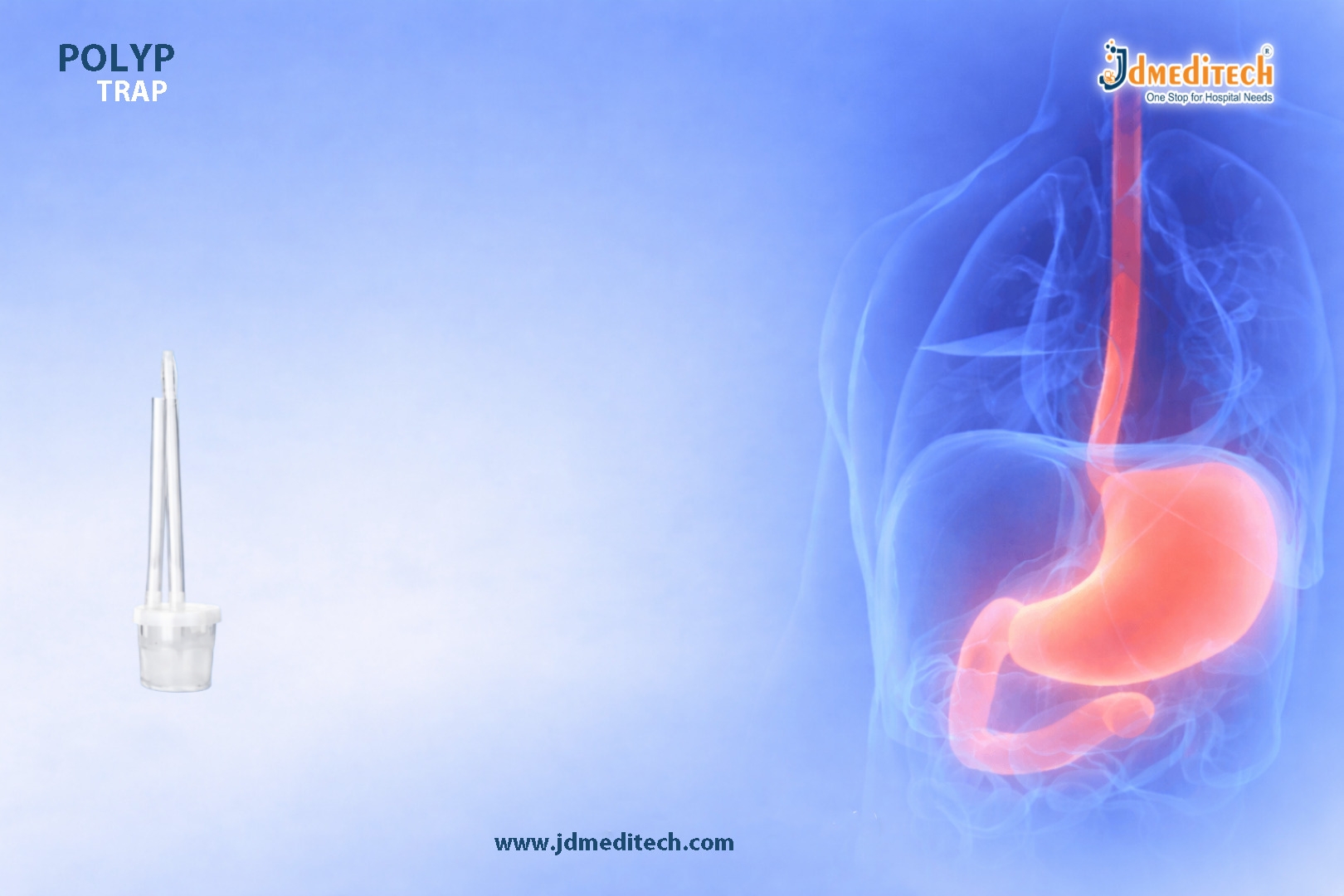
A polyp trap in endoscopy is a sterile, single-use medical device used during endoscopic procedures to collect and retain tissue specimens, such as polyps, that are removed from the gastrointestinal tract.
Typically, it is connected between the endoscope suction port and the suction tubing. As a result, any tissue aspirated during the procedure is captured inside the trap rather than being lost in the suction canister.
Why Efficient Specimen Collection Matters
Efficient specimen collection directly impacts diagnostic accuracy and patient outcomes. Without proper collection tools, valuable tissue samples may be lost, damaged, or contaminated.
Key Reasons Include:
- Accurate Diagnosis : Preserved specimens allow for precise histopathological evaluation
- Reduced Repeat Procedures : Proper collection avoids the need for additional interventions
- Improved Workflow : Streamlined specimen handling saves time for medical staff
- Enhanced Patient Safety : Minimizes procedural complications and errors
Therefore, the use of a polyp trap in endoscopy significantly improves clinical efficiency.
Key Features of a Polyp Trap in Endoscopy
1. Transparent Chamber
The clear body allows clinicians to visually confirm specimen capture during the procedure.
2. Secure Lid Mechanism
A leak-proof, easy-to-open lid ensures safe retrieval and transfer of specimens.
3. Multiple Chambers (Optional)
Some polyp traps come with multiple compartments, allowing separation of different samples.
4. Universal Connectivity
Compatible with most endoscopy suction systems, ensuring seamless integration.
5. Sterile & Disposable Design
Single-use construction reduces the risk of cross-contamination and infection.
How a Polyp Trap Works
The working mechanism of a polyp trap in endoscopy is simple yet highly effective:
- The device is connected to the suction line of the endoscope
- During polypectomy or biopsy, tissue is aspirated
- The specimen gets trapped inside the chamber
- The collected sample is retrieved for laboratory analysis
Thus, it ensures that no specimen is lost during suction.
Clinical Applications of Polyp Trap in Endoscopy
A polyp trap in endoscopy is widely used across various procedures:
- Colonoscopy : For capturing excised colon polyps
- Gastroscopy : Retrieval of gastric biopsy samples
- Endoscopic Mucosal Resection (EMR) : Collection of resected tissue
- Endoscopic Submucosal Dissection (ESD) : Precise specimen handling
In each case, the device supports accurate and efficient sample collection.
Advantages of Using a Polyp Trap
Using a polyp trap in endoscopy offers several benefits:
- Prevents Specimen Loss during suction
- Maintains Sample Integrity for accurate diagnosis
- Improves Procedure Efficiency
- Reduces Risk of Contamination
- Enhances Workflow in Endoscopy Units
Moreover, it ensures that every retrieved tissue sample is usable for further analysis.
Choosing the Right Polyp Trap
When selecting a polyp trap in endoscopy, consider the following factors:
- Compatibility with Endoscopy Systems
- Ease of Use and Handling
- Chamber Capacity and Design
- Sterility and Safety Standards
- Quality of Materials Used
Choosing a high-quality device ensures optimal performance and reliability.
Best Practices for Using a Polyp Trap
To maximize efficiency, follow these best practices:
- Always ensure proper connection before starting the procedure
- Monitor the chamber for specimen collection
- Handle the trap carefully during removal
- Label specimens correctly for pathology
- Dispose of single-use devices safely
These steps help maintain accuracy and safety throughout the process.
Conclusion
In conclusion, the polyp trap in endoscopy is an indispensable tool for efficient specimen collection. It not only prevents tissue loss but also enhances diagnostic accuracy and procedural efficiency. As endoscopic techniques continue to evolve, the importance of reliable accessories like polyp traps becomes even more significant.
For healthcare providers aiming to deliver precise and high-quality care, investing in a well-designed polyp trap is a smart and essential choice.
Get Connected:
+91 79909 93062 | +91 63513 72032 | exports@jdmeditech.com