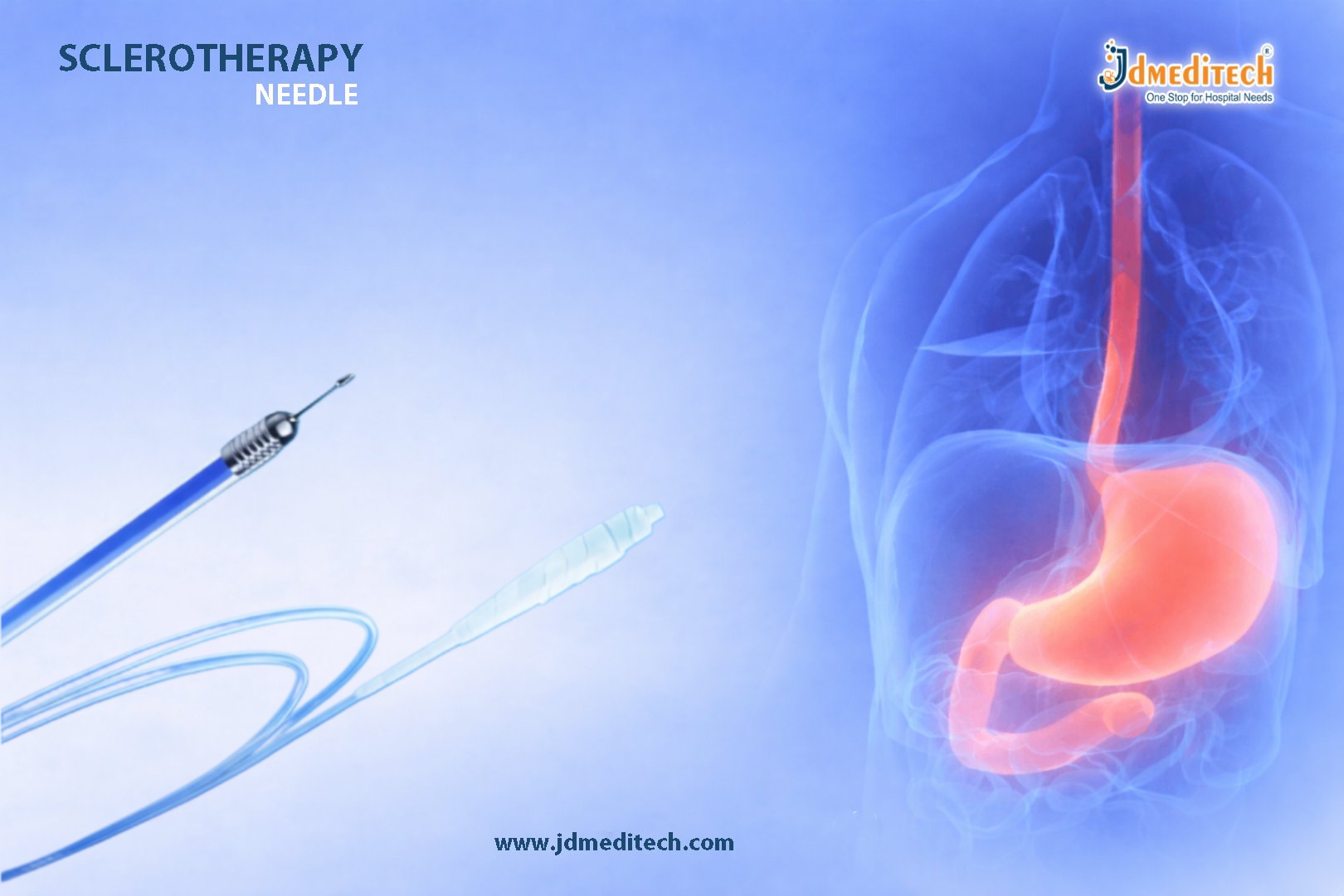
A sclerotherapy needle is a vital device in endoscopic procedures, especially for managing gastrointestinal (GI) bleeding. It allows clinicians to inject sclerosing agents directly into or around bleeding vessels, ensuring rapid hemostasis.
Because GI bleeding can become life-threatening, the sclerotherapy needle plays a critical role in emergency and therapeutic gastroenterology. Its precision and reliability make it a preferred choice for endoscopists worldwide.
What is a Sclerotherapy Needle?
A sclerotherapy needle is a specialized endoscopic instrument designed to deliver therapeutic agents into targeted tissues within the gastrointestinal tract.
It typically consists of:
- A flexible catheter compatible with endoscopes
- A sharp, retractable needle tip
- An ergonomic handle for controlled injection
The design ensures safe, accurate, and efficient delivery of sclerosants during procedures.
Importance of Sclerotherapy Needle in GI Bleeding Management
The sclerotherapy needle is widely used to control bleeding from:
- Esophageal varices
- Gastric varices
- Peptic ulcers
- Dieulafoy lesions
Why it is essential:
- Enables targeted injection therapy
- Provides rapid bleeding control
- Reduces need for surgical intervention
- Supports minimally invasive treatment
As a result, the sclerotherapy needle significantly improves patient outcomes in critical situations.
Key Features of a Sclerotherapy Needle
Modern sclerotherapy needles are engineered for precision and safety. Key features include:
1. High-Precision Needle Tip
Ensures accurate penetration and controlled delivery of sclerosants.
2. Flexible Catheter Design
Allows smooth navigation through the endoscope channel.
3. Adjustable Needle Length
Provides versatility for different clinical requirements.
4. Secure Locking Mechanism
Prevents accidental needle exposure.
5. Radiopaque Markers
Enhance visibility under imaging guidance.
Clinical Applications of Sclerotherapy Needle
The sclerotherapy needle is used in various therapeutic endoscopy procedures:
- Injection of sclerosants for variceal bleeding
- Treatment of non-variceal GI bleeding
- Endoscopic mucosal therapy
- Hemostasis in emergency situations
Because of its versatility, the sclerotherapy needle remains a cornerstone tool in gastroenterology.
Advantages of Using a Sclerotherapy Needle
Using a sclerotherapy needle offers several benefits:
- Minimally invasive approach
- Quick and effective hemostasis
- Reduced patient recovery time
- Improved procedural control
- Cost-effective treatment option
Therefore, it is widely adopted in hospitals and endoscopy centers.
How to Choose the Right Sclerotherapy Needle
Selecting the right sclerotherapy needle depends on several factors:
- Needle gauge and length
- Compatibility with endoscopes
- Quality of materials
- Sterility and disposability
- Manufacturer reliability
Choosing a high-quality sclerotherapy needle ensures better performance and patient safety.
Safety Considerations
While the sclerotherapy needle is highly effective, proper handling is essential:
- Use sterile, single-use devices
- Follow correct injection techniques
- Avoid excessive tissue penetration
- Monitor patient response during the procedure
Adhering to these guidelines ensures optimal outcomes.
Why Choose JDMeditech Sclerotherapy Needle?
At JDMeditech, we provide high-quality sclerotherapy needles designed for precision and safety.
Key Highlights:
- Premium-grade materials
- Excellent flexibility and control
- Reliable performance in critical procedures
- Strict quality standards
Conclusion
The sclerotherapy needle is an indispensable tool in the management of gastrointestinal bleeding. Its precision, safety, and effectiveness make it a preferred choice for endoscopic therapy.
As healthcare continues to advance, the role of the sclerotherapy needle will remain crucial in delivering life-saving treatments with minimal invasiveness.
Get Connected:
+91 79909 93062 | +91 63513 72032 | exports@jdmeditech.com