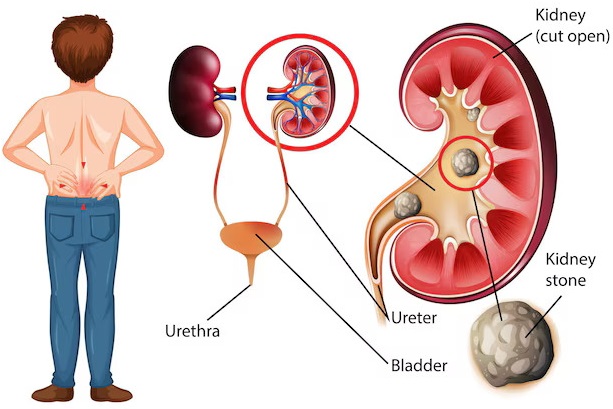
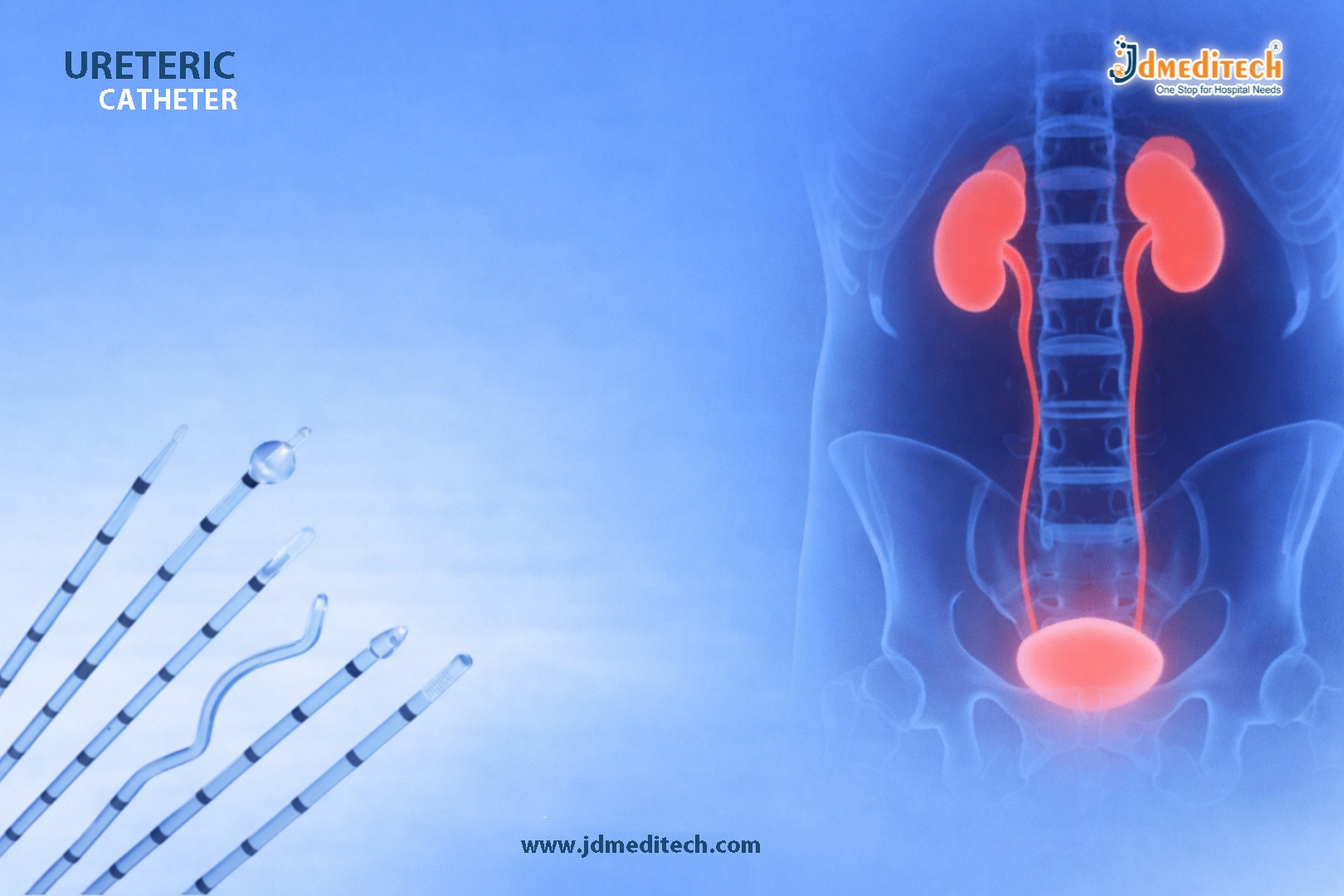
A Ureteric Catheter is a vital medical device widely used in urology for temporary ureteral drainage and access. It plays a crucial role in diagnostic and therapeutic procedures, ensuring smooth urine flow from the kidney to the bladder while allowing clinicians to perform interventions with precision.
Because of its versatility and reliability, the ureteric catheter has become an indispensable tool in modern urological practice.
What is a Ureteric Catheter?
A ureteric catheter is a thin, flexible tube inserted into the ureter to:
- Facilitate urine drainage
- Provide access to the upper urinary tract
- Assist in diagnostic imaging procedures
Typically made from biocompatible materials like polyurethane or PVC, these catheters ensure patient safety and procedural efficiency.
Key Features of Ureteric Catheter
1. Flexible and Kink-Resistant Design
The catheter offers excellent flexibility, which allows easy navigation through the ureter. At the same time, it resists kinking to maintain uninterrupted urine flow.
2. Smooth Surface Finish
Its smooth surface reduces friction, ensuring atraumatic insertion and enhanced patient comfort.
3. Radiopaque Markings
Radiopaque lines help clinicians visualize the catheter under imaging techniques such as X-ray or fluoroscopy, improving placement accuracy.
4. Multiple Size Options
Available in various lengths and diameters, the ureteric catheter meets diverse procedural needs.
5. Sterile and Single-Use
Each catheter is supplied sterile, reducing the risk of infection and ensuring safe usage.
Applications of Ureteric Catheter
The ureteric catheter is widely used in both diagnostic and therapeutic urology procedures:
Diagnostic Uses
- Retrograde pyelography
- Ureteral imaging
- Identification of ureteral obstruction
Therapeutic Uses
- Temporary urine drainage
- Relief of ureteral obstruction
- Support during endourological procedures
Surgical Assistance
- Placement guidance for stents
- Access during ureteroscopy
- Dye injection for visualization
Benefits of Using Ureteric Catheter
Using a ureteric catheter offers several advantages:
- Ensures effective temporary drainage
- Enables easy access to the urinary tract
- Reduces risk of ureteral trauma
- Enhances procedural accuracy
- Supports minimally invasive interventions
As a result, it improves both clinical outcomes and patient safety.
Why Choose High-Quality Ureteric Catheters?
Not all catheters deliver the same performance. A high-quality ureteric catheter ensures:
- Better flexibility and durability
- Reduced risk of complications
- Accurate placement during procedures
- Consistent and reliable drainage
Therefore, healthcare providers should always prioritize quality over low pricing, as inferior products may compromise patient safety.
How to Use a Ureteric Catheter Safely
To ensure optimal results:
- Maintain strict aseptic technique
- Select the appropriate size and length
- Use imaging guidance for accurate placement
- Monitor for signs of obstruction or infection
- Dispose of the catheter after single use
Following these steps helps maximize safety and effectiveness.
Conclusion
The Ureteric Catheter remains an essential tool for temporary ureteral drainage and access in modern urology. Its flexibility, safety features, and wide range of applications make it indispensable in both diagnostic and therapeutic procedures.
By choosing a high-quality ureteric catheter, healthcare professionals can ensure better patient outcomes, procedural efficiency, and long-term reliability.
Get Connected:
+91 79909 93062 | +91 63513 72032 | exports@jdmeditech.com