Endoscopic Retrograde Cholangiopancreatography (ERCP) has transformed the diagnosis and treatment of biliary and pancreatic disorders. At the heart of this advanced procedure lies a critical device—the ERCP Guiding Catheter. This specialized instrument plays a key role in enabling precise access, navigation, and therapeutic intervention within the biliary system.
In this blog, we explore how an ERCP guiding catheter enhances procedural efficiency, improves patient outcomes, and supports complex biliary interventions.
What is an ERCP Guiding Catheter?
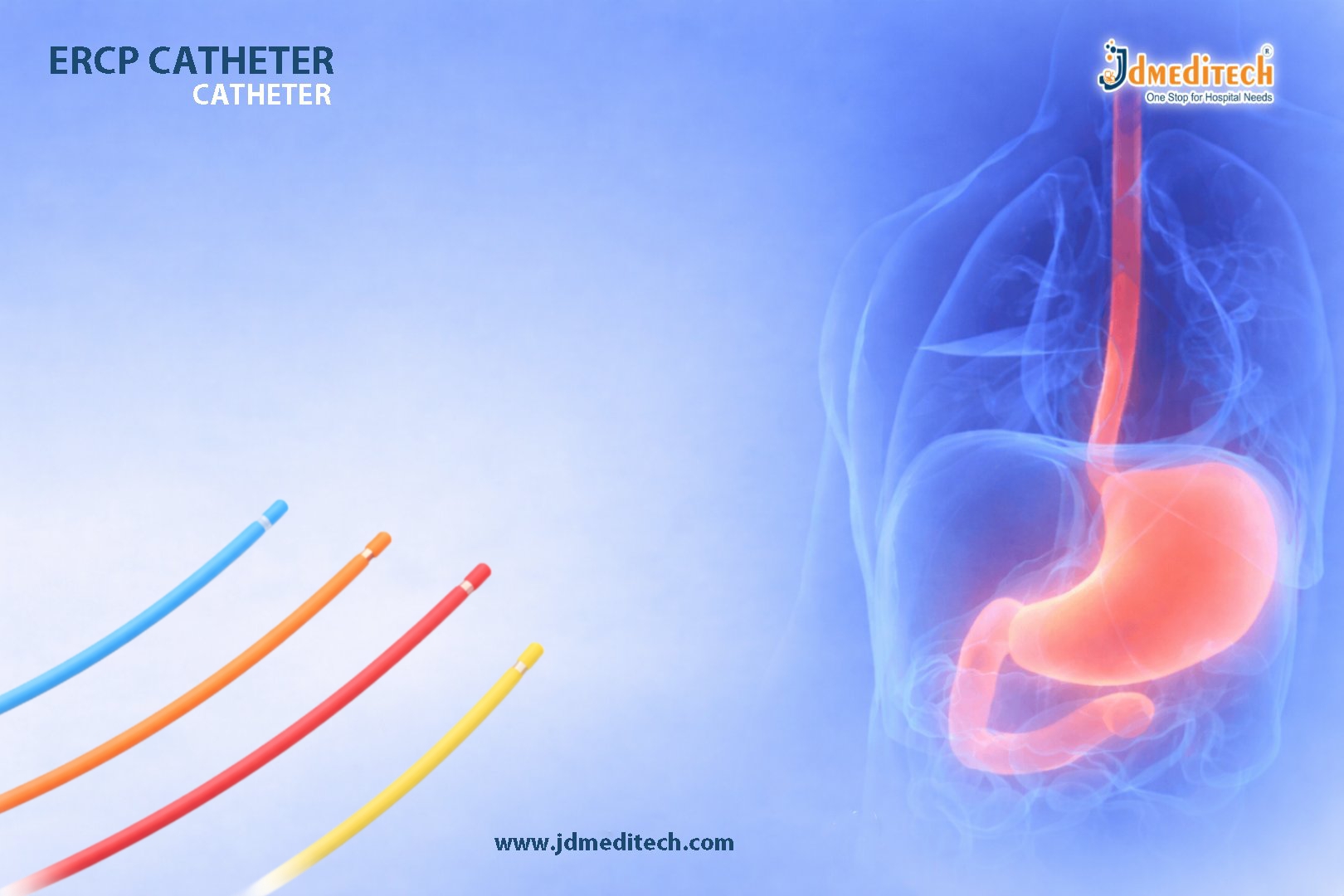
An ERCP Guiding Catheter is a flexible, thin, and highly maneuverable medical device used during ERCP procedures. It helps clinicians access the bile duct or pancreatic duct through the duodenum, acting as a pathway for guidewires and other therapeutic instruments.
Because of its design and functionality, the catheter ensures smooth navigation through complex anatomical structures while minimizing trauma.
Importance in Biliary Interventions
Biliary procedures demand accuracy and control. The ERCP guiding catheter plays a crucial role by:
- Facilitating selective cannulation of bile and pancreatic ducts
- Providing a stable channel for guidewire insertion
- Enhancing access in difficult or tortuous anatomy
- Supporting therapeutic procedures such as stent placement and stone removal
As a result, it significantly reduces procedure time and improves success rates.
Key Features of ERCP Guiding Catheter
Excellent Flexibility and Torque Control
The catheter is designed to navigate complex biliary anatomy with ease. Its flexibility allows smooth advancement, while torque control ensures precise positioning.
2. Atraumatic Tip Design
A soft, rounded tip minimizes mucosal injury, enhancing patient safety during cannulation.
3. Radiopaque Markers
These markers improve visualization under fluoroscopy, allowing accurate placement within the biliary tree.
4. Multiple Tip Configurations
Different tip shapes help clinicians select the most suitable catheter based on patient anatomy and procedural requirements.
5. Smooth Lumen for Guidewire Compatibility
The inner lumen supports seamless guidewire passage, enabling efficient device exchange.
Applications of ERCP Guiding Catheter
The ERCP guiding catheter is widely used in various biliary and pancreatic procedures, including:
- Biliary drainage procedures
- Common bile duct (CBD) stone removal
- Biliary stricture management
- Stent placement and exchange
- Pancreatic duct interventions
Its versatility makes it an essential tool in modern endoscopic practice.
Advantages of Using ERCP Guiding Catheter
Using a high-quality ERCP guiding catheter offers several benefits:
- Improves procedural precision and control
- Reduces procedure time
- Enhances success rate of cannulation
- Minimizes risk of complications
- Provides smooth device delivery
Consequently, it supports both clinicians and patients by ensuring safer and more efficient interventions.
How to Choose the Right ERCP Guiding Catheter
Selecting the right catheter depends on multiple factors:
- Tip design suited to patient anatomy
- Length and diameter compatibility
- Guidewire size compatibility
- Radiopacity for imaging clarity
- Material quality and flexibility
Careful selection ensures optimal performance and better clinical outcomes.
Best Practices for Use
To maximize effectiveness:
- Always use with compatible guidewires and accessories
- Maintain proper sterility and handling techniques
- Use fluoroscopic guidance for accurate placement
- Avoid excessive force during cannulation
- Follow institutional protocols and clinical guidelines
These practices help reduce complications and improve procedural success.
Why Quality Matters in ERCP Procedures
In ERCP, precision is everything. A poorly designed catheter can increase procedure time, cause complications, or lead to failed cannulation. Therefore, choosing a high-quality ERCP guiding catheter ensures:
- Reliable performance
- Consistent results
- Enhanced patient safety
Conclusion
The ERCP Guiding Catheter is a vital tool that streamlines biliary interventions by enabling precise access, smooth navigation, and efficient therapeutic delivery. Its advanced design and versatility make it indispensable in modern gastroenterology.
As ERCP procedures continue to evolve, the importance of high-quality guiding catheters will only grow—helping clinicians achieve better outcomes with greater confidence.
Get Connected:
+91 79909 93062 | +91 63513 72032 | exports@jdmeditech.com