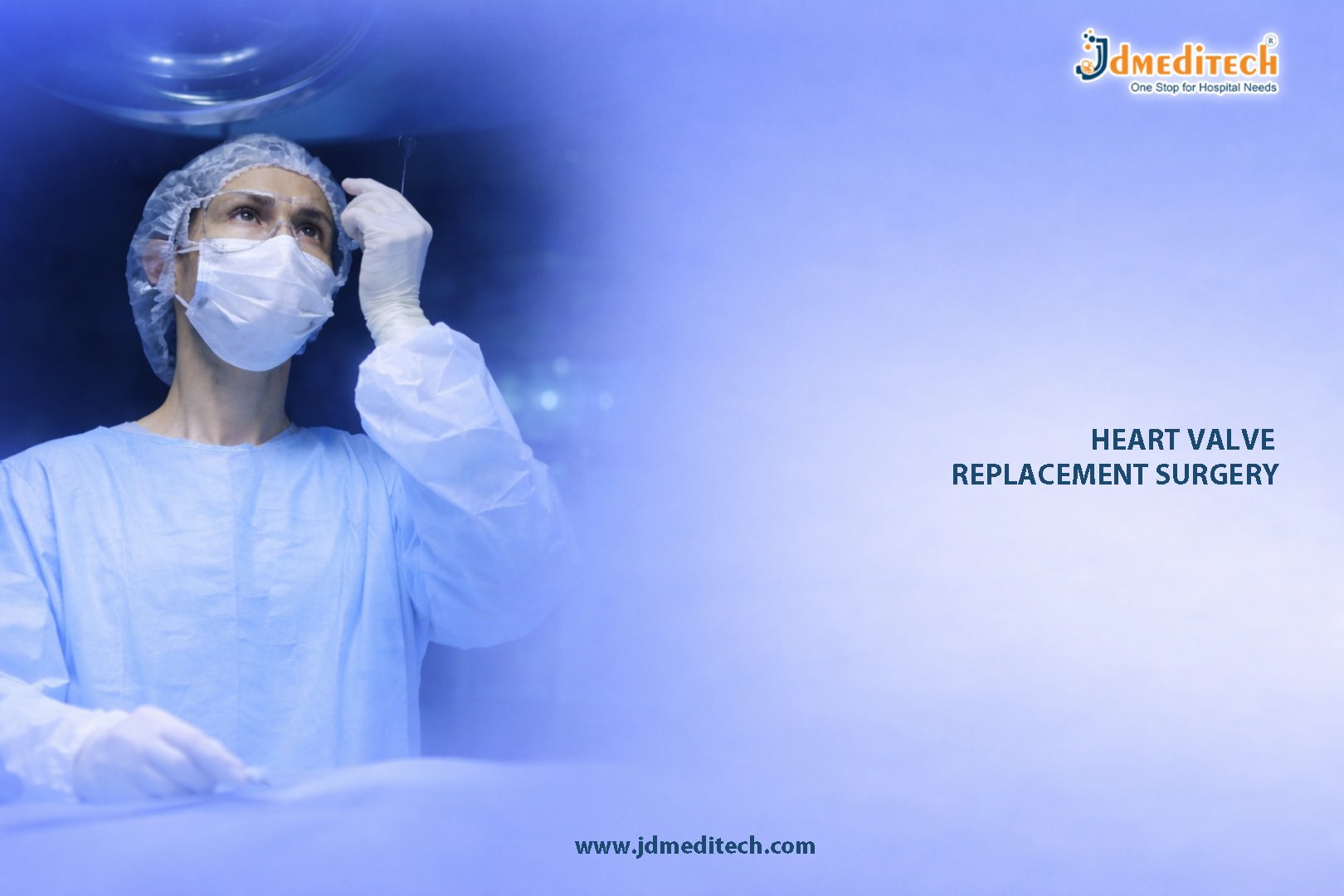
Heart valve replacement surgery is a life-saving procedure that restores proper blood flow in patients with severe valve disease. When heart valves fail to open or close correctly, the heart struggles to pump blood efficiently. As a result, patients experience fatigue, breathlessness, and serious complications.
However, heart valve replacement surgery provides an effective and reliable solution. Moreover, modern advancements have made heart valve replacement surgery safer and more successful than ever before.
What is Heart Valve Replacement Surgery?
Heart valve replacement surgery is a procedure in which a damaged heart valve is removed and replaced with a new valve. This new valve can be mechanical or biological.
In addition, heart valve replacement surgery helps restore normal circulation and reduces strain on the heart. Doctors usually recommend heart valve replacement surgery when the valve condition becomes severe and symptoms worsen.
Types of Valves Used in Heart Valve Replacement Surgery
1. Mechanical Valves
Mechanical valves are strong and long-lasting. Therefore, they are ideal for younger patients. However, patients need lifelong blood-thinning medication after heart valve replacement surgery.
2. Biological Valves
Biological valves come from animal or human tissue. In contrast, they offer more natural function. Although they may wear out over time, they usually do not require long-term medication after heart valve replacement surgery.
When Do You Need Heart Valve Replacement Surgery?
Doctors recommend heart valve replacement surgery when valve damage becomes severe. For example, common conditions include:
- Aortic stenosis
- Mitral regurgitation
- Congenital valve defects
- Endocarditis
Furthermore, symptoms that indicate the need for heart valve replacement surgery include:
- Shortness of breath
- Chest pain
- Fatigue
- Irregular heartbeat
Therefore, early diagnosis plays a crucial role in successful heart valve replacement surgery.
Procedure of Heart Valve Replacement Surgery
Preoperative Preparation
Before heart valve replacement surgery, doctors perform tests such as echocardiography, blood tests, and imaging scans. These tests help plan the procedure effectively.
Surgical Process
During heart valve replacement surgery, the surgeon removes the damaged valve and replaces it with a new one. The procedure may involve open-heart surgery or minimally invasive techniques.
Advanced Techniques
Today, techniques like TAVR (Transcatheter Aortic Valve Replacement) make heart valve replacement surgery less invasive. As a result, patients recover faster and face fewer complications.
Benefits of Heart Valve Replacement Surgery
Heart valve replacement surgery offers several important benefits. For instance:
- Improves blood flow
- Reduces symptoms quickly
- Enhances quality of life
- Increases survival rate
In addition, heart valve replacement surgery allows patients to return to normal daily activities with improved energy levels.
Risks of Heart Valve Replacement Surgery
Although heart valve replacement surgery is safe, some risks may occur. These include:
- Infection
- Bleeding
- Blood clots
- Valve-related complications
However, experienced surgeons and advanced technology significantly reduce these risks during heart valve replacement surgery.
Recovery After Heart Valve Replacement Surgery
Recovery after heart valve replacement surgery is gradual but steady.
Hospital Stay
Patients usually stay in the hospital for 5–10 days after heart valve replacement surgery.
Rehabilitation
Cardiac rehabilitation helps patients regain strength. Moreover, it improves heart health after heart valve replacement surgery.
Lifestyle Changes
Patients should follow a healthy lifestyle after heart valve replacement surgery, including:
- Balanced diet
- Regular exercise
- Avoiding smoking
Consequently, these steps ensure long-term success.
Latest Innovations in Heart Valve Replacement Surgery
Modern medicine continues to improve heart valve replacement surgery. For example:
- Minimally invasive procedures
- TAVR technology
- Advanced imaging systems
- Durable valve materials
Therefore, heart valve replacement surgery has become safer, faster, and more effective.
Conclusion
Heart valve replacement surgery is a proven and life-saving solution for patients with severe heart valve disease. It restores normal heart function and improves quality of life.
In conclusion, heart valve replacement surgery offers excellent outcomes when performed at the right time. With proper care and follow-up, patients can live longer, healthier lives.
Get Connected:
+91 79909 93062 | +91 63513 72032 | exports@jdmeditech.com