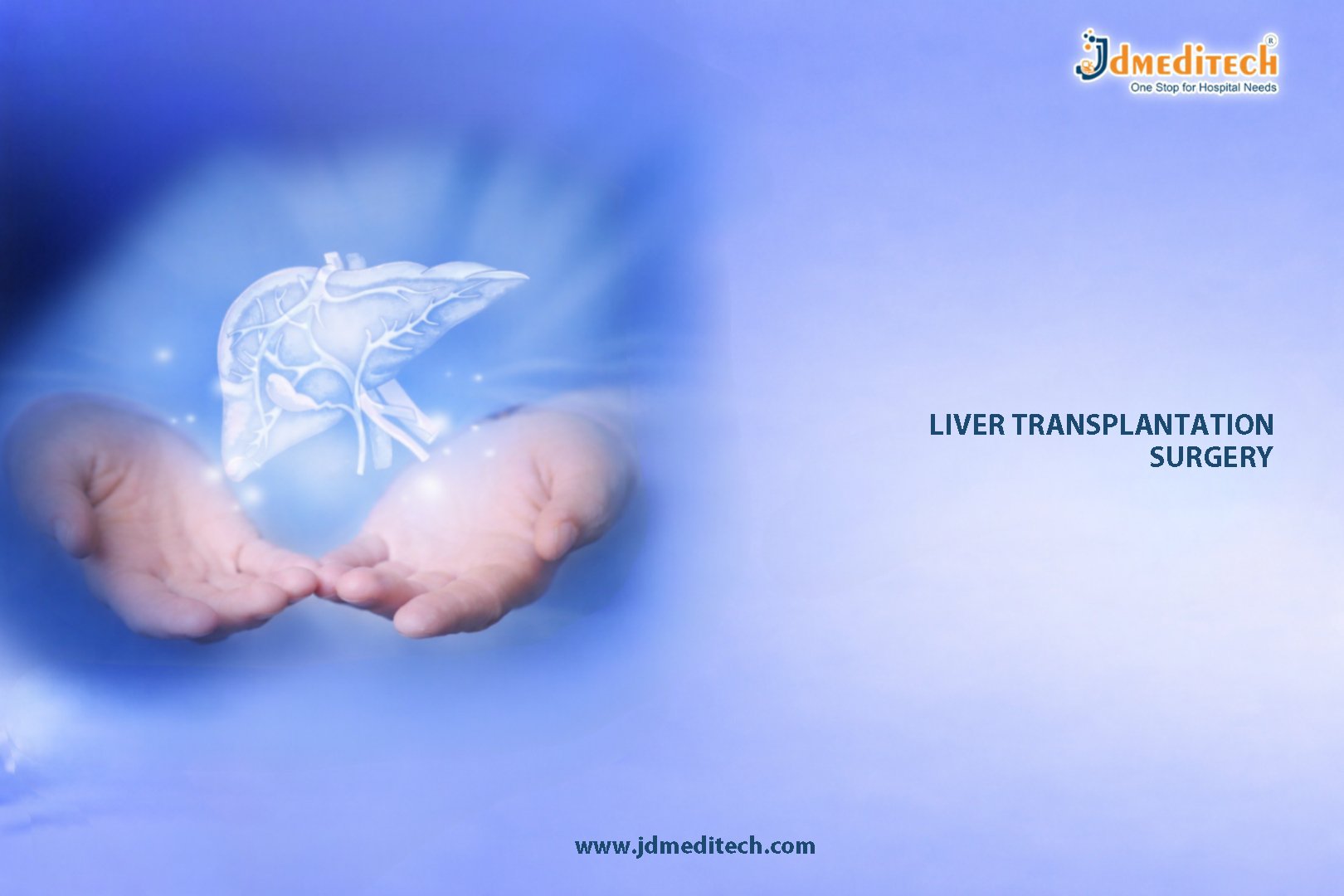
Liver transplantation surgery is one of the most advanced and lifesaving procedures in modern gastroenterology. It replaces a damaged or failing liver with a healthy donor liver. As a result, patients suffering from severe liver diseases get a second chance at life.
Moreover, liver transplantation surgery has significantly improved survival rates over the years. With better surgical techniques and post-operative care, patients now experience faster recovery and long-term success.
What is Liver Transplantation Surgery?
Liver transplantation surgery is a medical procedure in which surgeons remove a diseased liver and replace it with a healthy liver from a donor. Typically, the donor may be deceased or living.
In addition, this procedure becomes necessary when the liver loses its ability to function properly. Since the liver performs essential tasks like detoxification, metabolism, and bile production, its failure can be life-threatening.
When is Liver Transplantation Surgery Needed?
Doctors recommend liver transplantation surgery when other treatments fail. Common conditions include:
- Chronic liver disease (cirrhosis)
- Liver cancer (hepatocellular carcinoma)
- Acute liver failure
- Alcohol-related liver damage
- Hepatitis B and C infections
- Genetic liver disorders
Therefore, early evaluation plays a crucial role in determining eligibility for liver transplantation surgery.
Types of Liver Transplantation Surgery
1. Deceased Donor Liver Transplant
In this type, surgeons use a liver from a brain-dead donor. It remains the most common form of liver transplantation surgery.
2. Living Donor Liver Transplant
Here, a healthy person donates a portion of their liver. Interestingly, the liver regenerates in both the donor and recipient after liver transplantation surgery.
3. Split Liver Transplant
In some cases, surgeons divide a donor liver into two parts for two recipients. This approach increases the availability of organs.
Procedure of Liver Transplantation Surgery
The process of liver transplantation surgery involves several steps:
1. Pre-Transplant Evaluation
Doctors assess the patient’s condition, perform blood tests, and check compatibility.
2. Donor Matching
A suitable donor liver is identified based on blood type, size, and urgency.
3. Surgical Procedure
- Surgeons remove the diseased liver
- They implant the healthy donor liver
- Blood vessels and bile ducts are carefully connected
4. Post-Surgery Care
After liver transplantation surgery, patients stay in the ICU for monitoring. Gradually, they move to recovery wards.
Benefits of Liver Transplantation Surgery
Liver transplantation surgery offers multiple benefits:
- Restores normal liver function
- Improves quality of life
- Increases life expectancy
- Eliminates symptoms like jaundice and fatigue
- Provides a long-term solution for liver failure
Hence, it remains a highly effective treatment option.
Risks and Complications
Although liver transplantation surgery is safe, some risks exist:
- Organ rejection
- Infection
- Bleeding
- Blood clots
- Side effects of immunosuppressants
However, with proper medical care, doctors manage these complications effectively.
Recovery After Liver Transplantation Surgery
Recovery after liver transplantation surgery requires patience and discipline. Patients must:
- Take prescribed medications regularly
- Attend follow-up visits
- Maintain a healthy diet
- Avoid alcohol and smoking
Typically, most patients resume normal activities within a few months.
Role of Advanced Medical Technology
Modern advancements have improved the success of liver transplantation surgery. Innovations include:
- Minimally invasive surgical techniques
- Advanced imaging systems
- Improved organ preservation methods
- Enhanced ICU care
As a result, survival rates continue to rise globally.
Conclusion
In conclusion, liver transplantation surgery stands as a remarkable breakthrough in gastroenterology. It not only saves lives but also restores hope for patients with severe liver diseases.
If diagnosed early and managed properly, liver transplantation surgery can offer long-term survival and an improved quality of life. Therefore, consulting a specialist at the right time is essential.
Get Connected:
+91 79909 93062 | +91 63513 72032 | exports@jdmeditech.com