Lateral Internal Sphincterotomy is a widely accepted and highly effective surgical procedure used to treat chronic anal fissures. When conservative treatments fail, this procedure provides long-term relief by reducing anal sphincter pressure and promoting healing.
In this blog, we will explore everything about Lateral Internal Sphincterotomy, including its procedure, benefits, indications, and recovery.
What is Lateral Internal Sphincterotomy?
Lateral Internal Sphincterotomy is a minor surgical procedure in which a small portion of the internal anal sphincter muscle is carefully divided. As a result, muscle tension decreases, blood flow improves, and the fissure heals naturally.
This procedure is considered the gold standard treatment for chronic anal fissures due to its high success rate and low recurrence.
Understanding Chronic Anal Fissures
Chronic anal fissures are small tears in the lining of the anal canal that persist for more than 6 weeks. They often cause:
- Severe pain during bowel movements
- Bleeding
- Burning sensation
- Spasm of the anal sphincter
When these symptoms persist, Lateral Internal Sphincterotomy becomes the most reliable solution.
Indications for Lateral Internal Sphincterotomy
Doctors recommend Lateral Internal Sphincterotomy in the following cases:
- Chronic anal fissures not responding to medication
- Recurrent fissures
- Severe sphincter spasm
- Persistent pain affecting quality of life
Therefore, this procedure is ideal when non-surgical treatments fail.
Procedure of Lateral Internal Sphincterotomy
The Lateral Internal Sphincterotomy procedure is simple and typically performed under local or general anesthesia.
Step-by-Step Overview
- The patient is positioned comfortably
- A small incision is made near the anal region
- The internal sphincter muscle is partially divided
- The incision is either left open or closed with sutures
The entire Lateral Internal Sphincterotomy procedure usually takes 15–30 minutes.
Benefits of Lateral Internal Sphincterotomy
Lateral Internal Sphincterotomy offers several advantages:
- High success rate (over 90%)
- Rapid pain relief
- Minimal recurrence
- Quick recovery time
- Improved blood flow for healing
Moreover, it significantly improves patient comfort and quality of life.
Risks and Complications
Although Lateral Internal Sphincterotomy is safe, some risks may include:
- Minor bleeding
- Infection
- Temporary incontinence (rare)
- Delayed wound healing
However, these complications are uncommon when performed by experienced surgeons.
Recovery After Lateral Internal Sphincterotomy
Recovery after Lateral Internal Sphincterotomy is generally smooth.
Post-Surgery Care
- Maintain proper hygiene
- Take sitz baths regularly
- Follow a high-fiber diet
- Stay hydrated
- Avoid straining during bowel movements
Most patients return to normal activities within a few days.
Why Lateral Internal Sphincterotomy is the Gold Standard
Lateral Internal Sphincterotomy remains the preferred treatment because:
- It directly addresses the root cause (muscle spasm)
- It ensures long-term healing
- It reduces recurrence significantly
Therefore, it is trusted worldwide by surgeons and patients alike.
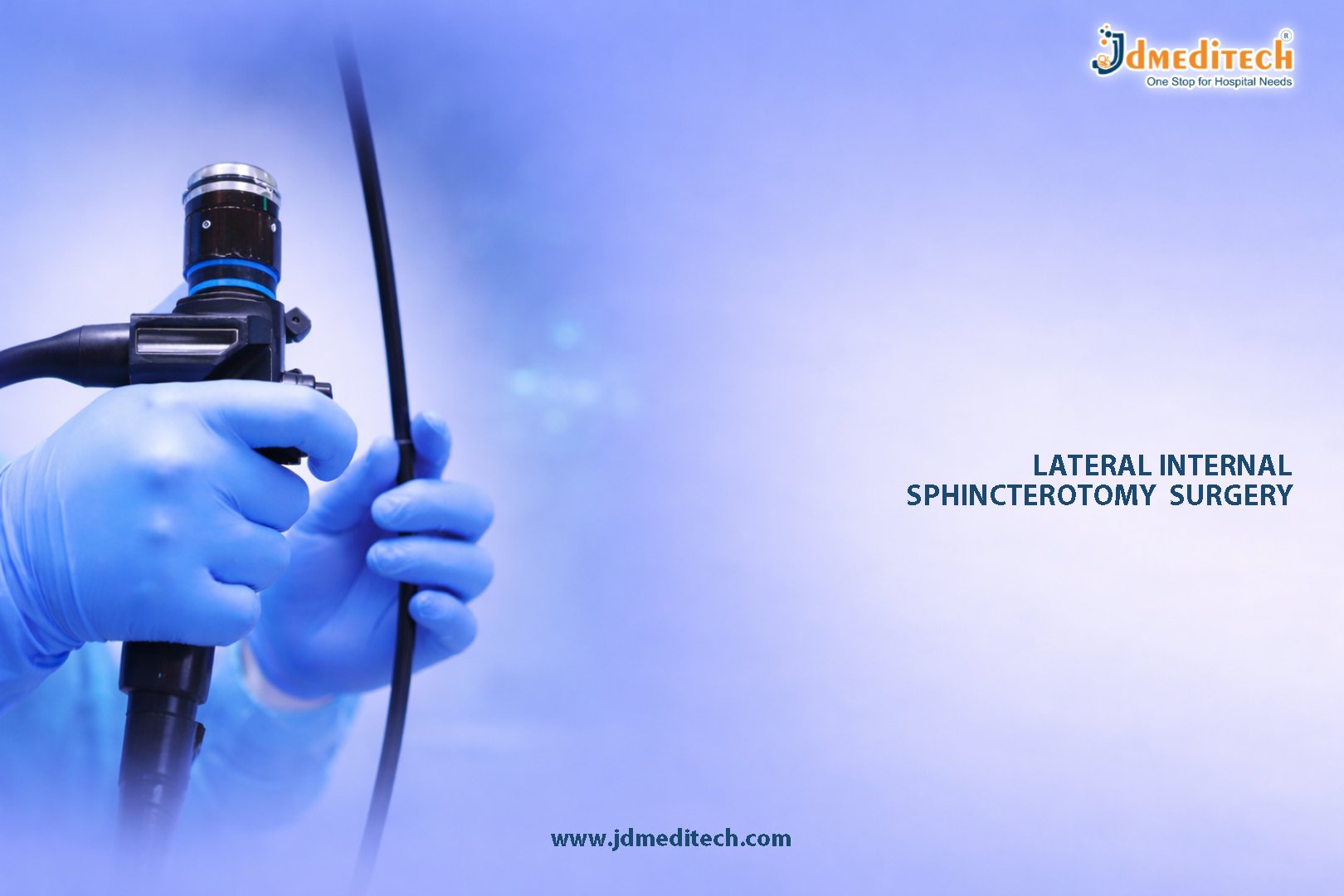
Medical Equipment Used in the Procedure
For performing Lateral Internal Sphincterotomy, surgeons rely on precision instruments such as:
- Surgical blades
- Forceps
- Retractors
- Suturing materials
High-quality surgical instruments, like those offered by JDMeditech, ensure safety, accuracy, and optimal surgical outcomes.
Conclusion
Lateral Internal Sphincterotomy is a safe, effective, and trusted surgical solution for chronic anal fissures. With its high success rate and quick recovery, it offers long-lasting relief for patients who do not respond to conservative treatments.
If you are dealing with persistent anal fissures, consulting a specialist for Lateral Internal Sphincterotomy can be a life-changing decision.