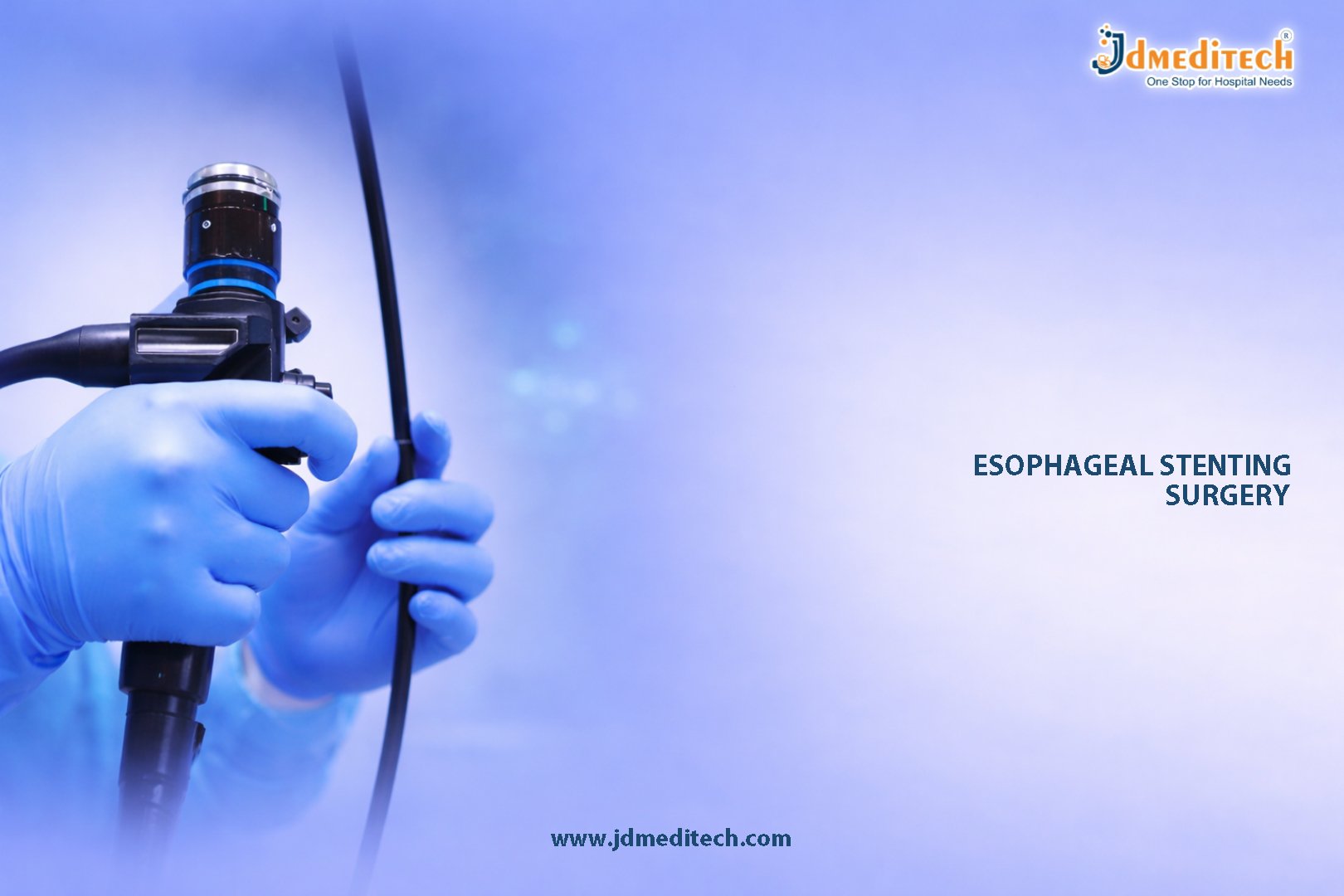
What is Esophageal Stenting?
Esophageal Stenting is a minimally invasive procedure used to restore swallowing in patients with esophageal blockage. The esophagus carries food to the stomach, but certain conditions can narrow or obstruct it. As a result, patients experience difficulty swallowing.
In such situations, Esophageal Stenting provides an effective solution. A flexible stent is placed inside the esophagus to keep it open. Therefore, food and liquids pass more easily, and patients feel immediate relief.
Why Esophageal Stenting is Needed
Conditions Treated with Esophageal Stenting
Doctors recommend Esophageal Stenting when swallowing becomes difficult due to obstruction. Moreover, this procedure is useful in both cancerous and non-cancerous conditions.
Common indications include:
- Esophageal cancer
- Benign strictures
- Post-surgical narrowing
- Tracheoesophageal fistula
- External tumor compression
Thus, Esophageal Stenting helps restore normal swallowing when other treatments are not effective.
Types of Esophageal Stents
Options Used in Esophageal Stenting
Different types of stents are used in Esophageal Stenting depending on the condition. Each type serves a specific purpose.
- Self-expanding metal stents
- Self-expanding plastic stents
- Fully covered stents
- Partially covered stents
Because of these options, Esophageal Stenting can be tailored to patient needs for better outcomes.
Procedure of Esophageal Stenting
How Esophageal Stenting is Performed
Esophageal Stenting is performed using endoscopic guidance. First, the patient receives sedation for comfort. Then, the doctor inserts an endoscope into the esophagus.
Next, a guidewire passes through the narrowed area. After that, the stent is placed over the guidewire. Finally, the stent expands and opens the blocked passage.
As a result, Esophageal Stenting quickly restores swallowing function and improves patient comfort.
Benefits of Esophageal Stenting
Advantages of Esophageal Stenting
Esophageal Stenting offers several benefits, which makes it a preferred treatment option.
- Immediate relief from dysphagia
- Minimally invasive approach
- Faster recovery time
- Improved nutrition
- Better quality of life
In addition, Esophageal Stenting is suitable for patients who cannot undergo major surgery.
Risks and Complications
Possible Issues in Esophageal Stenting
Although Esophageal Stenting is safe, some risks may occur. However, doctors manage most complications effectively.
- Stent migration
- Chest discomfort
- Bleeding
- Rare perforation
- Food blockage
Therefore, regular follow-up after Esophageal Stenting is important for long-term success.
Recovery and Aftercare
Care After Esophageal Stenting
After Esophageal Stenting, patients should follow proper guidelines. First, they start with liquids and then move to soft foods. Additionally, they should avoid hard foods.
Patients should chew food properly and stay upright after eating. Furthermore, regular medical check-ups are necessary.
With proper care, Esophageal Stenting provides long-lasting results and improved swallowing.
Role of Technology in Esophageal Stenting
Advancements Improving Esophageal Stenting
Modern technology has improved Esophageal Stenting significantly. Advanced imaging ensures accurate placement, while high-quality stents enhance safety.
At JdMeditech, we provide advanced medical devices that support procedures like Esophageal Stenting. Our products meet high-quality standards and ensure reliable performance.
Conclusion
Importance of Esophageal Stenting
Esophageal Stenting is an effective solution for restoring swallowing in patients with obstruction. It is safe, minimally invasive, and highly beneficial.
Therefore, early use of Esophageal Stenting improves patient outcomes and quality of life.
Get Connected:
+91 79909 93062 | +91 63513 72032 | exports@jdmeditech.com