Endoscopic Ultrasound is a highly advanced diagnostic procedure that combines endoscopy and ultrasound imaging to evaluate the gastrointestinal (GI) tract and surrounding organs. This modern technique allows doctors to obtain highly detailed images of internal structures, including the esophagus, stomach, pancreas, bile ducts, and nearby lymph nodes.
Unlike traditional imaging methods, Endoscopic Ultrasound provides real-time, high-resolution visualization, which significantly improves diagnostic accuracy. As a result, it has become an essential tool in gastroenterology for both diagnosis and staging of various diseases.
What is Endoscopic Ultrasound?
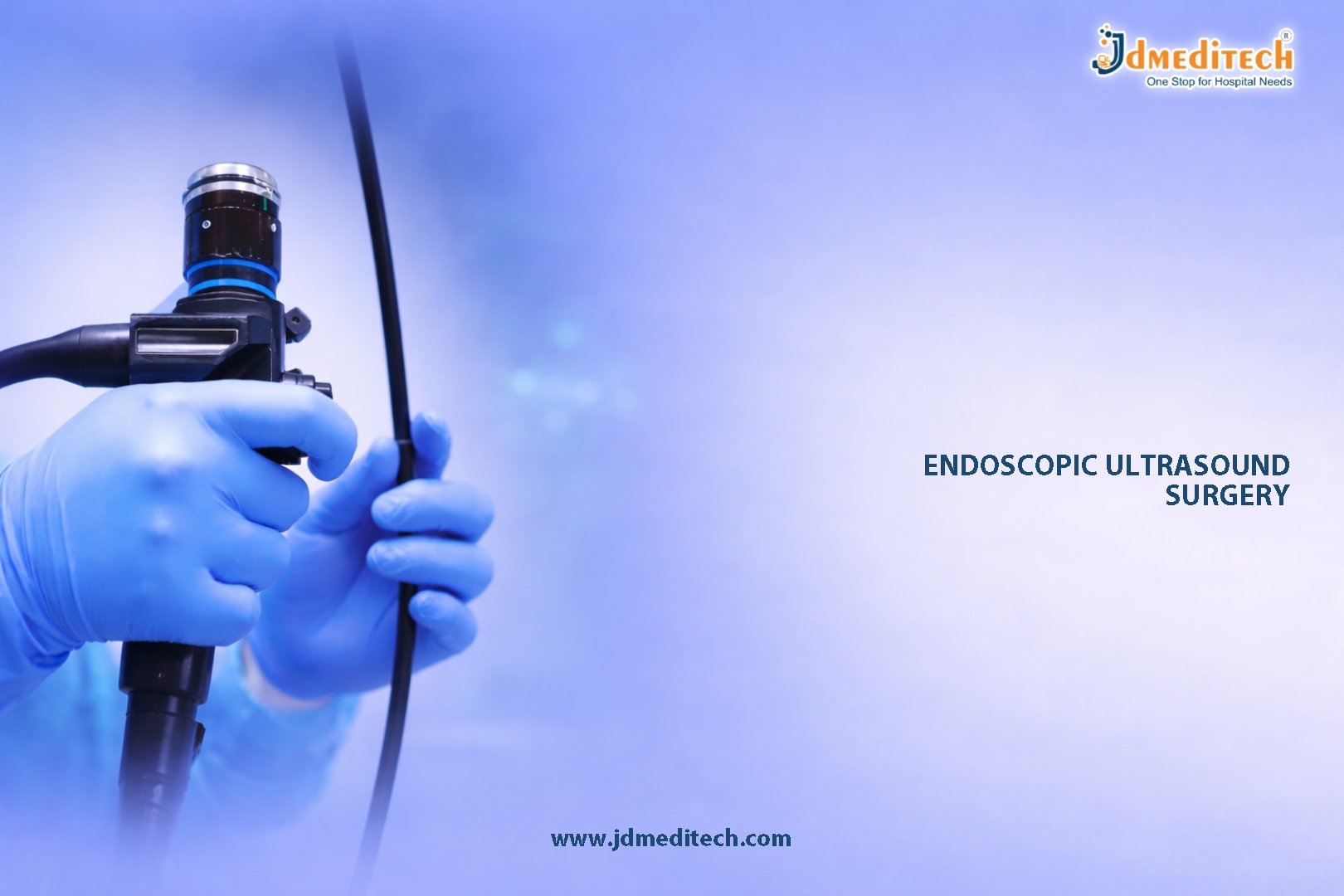
Endoscopic Ultrasound is a minimally invasive procedure that uses a flexible endoscope equipped with an ultrasound probe. The device is inserted through the mouth or rectum to capture detailed images of the digestive tract walls and adjacent organs.
Because the ultrasound probe is placed close to the target organs, Endoscopic Ultrasound produces clearer and more precise images than external ultrasound techniques. Therefore, it is widely preferred for evaluating complex GI conditions.
How Endoscopic Ultrasound Works
During an Endoscopic Ultrasound procedure, the physician gently guides the endoscope into the digestive tract. The ultrasound component emits sound waves that create detailed images of internal tissues.
Additionally, Endoscopic Ultrasound allows for fine needle aspiration (FNA), enabling tissue sampling for biopsy. This feature makes it highly valuable for diagnosing tumors, cysts, and other abnormalities.
Key Advantages of Endoscopic Ultrasound
Endoscopic Ultrasound offers several benefits that make it a preferred diagnostic tool:
- High-resolution imaging of GI organs
- Accurate detection of tumors and lesions
- Ability to perform guided biopsies
- Minimally invasive with low risk
- Real-time visualization for precise diagnosis
Moreover, Endoscopic Ultrasound helps physicians detect diseases at an early stage, which improves treatment outcomes.
Applications of Endoscopic Ultrasound
Endoscopic Ultrasound is widely used in various medical conditions, including:
- Evaluation of pancreatic diseases such as pancreatitis and pancreatic cancer
- Assessment of esophageal and gastric tumors
- Diagnosis of bile duct disorders
- Staging of gastrointestinal cancers
- Detection of submucosal lesions
In addition, Endoscopic Ultrasound plays a crucial role in guiding therapeutic procedures, such as cyst drainage and targeted drug delivery.
Procedure and Patient Experience
The Endoscopic Ultrasound procedure is usually performed under sedation to ensure patient comfort. The process typically takes 30 to 60 minutes.
Before the procedure, patients may need to fast for several hours. Afterward, mild throat discomfort or bloating may occur, but these symptoms usually resolve quickly.
Because Endoscopic Ultrasound is minimally invasive, recovery time is short, and most patients can return to normal activities within a day.
Safety and Risks
Endoscopic Ultrasound is considered a safe procedure when performed by trained professionals. However, like any medical procedure, it carries minimal risks such as:
- Mild bleeding
- Infection (rare)
- Reaction to sedation
Nevertheless, complications are uncommon, and the benefits of Endoscopic Ultrasound far outweigh the risks.
Why Endoscopic Ultrasound is Important in Modern Medicine
Endoscopic Ultrasound has revolutionized the way gastrointestinal diseases are diagnosed and managed. It bridges the gap between imaging and intervention, providing both diagnostic clarity and therapeutic capability.
Furthermore, its ability to combine imaging with biopsy makes Endoscopic Ultrasound a powerful tool in early disease detection and cancer staging.
Conclusion
Endoscopic Ultrasound stands as a modern, reliable, and highly effective technique for GI evaluation. With its superior imaging capabilities and minimally invasive approach, it continues to play a vital role in improving patient care and clinical outcomes.
As medical technology advances, Endoscopic Ultrasound will remain at the forefront of gastrointestinal diagnostics, offering precision, safety, and efficiency.
Get Connected:
+91 79909 93062 | +91 63513 72032 | exports@jdmeditech.com