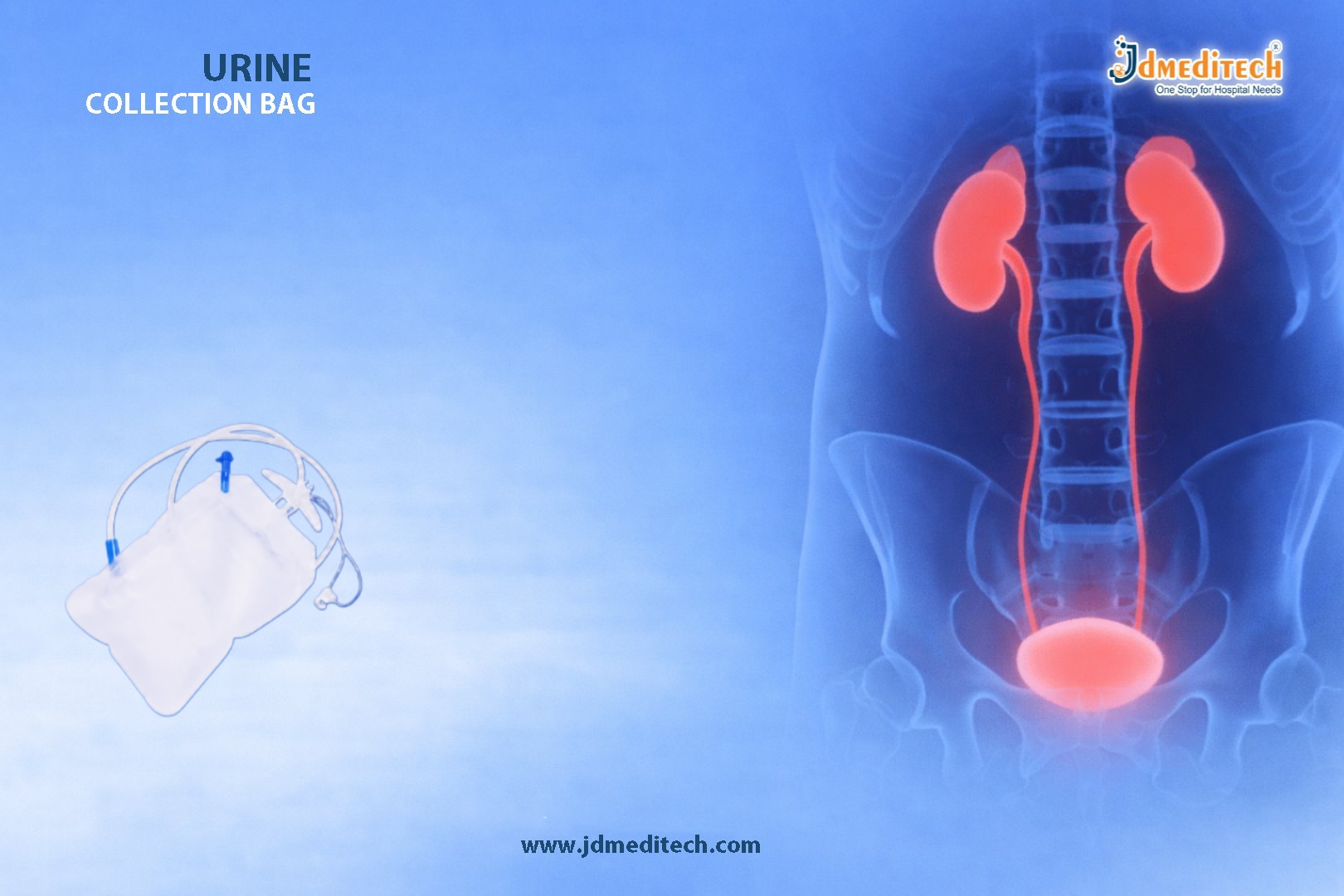
A urine collecting bag is an essential medical device used to collect urine from patients who are unable to urinate naturally or require continuous urinary drainage. It is widely used in hospitals, clinics, and home care settings. Because it ensures hygiene, convenience, and patient comfort, the urine collecting bag plays a critical role in patient management.
Moreover, healthcare professionals rely on a urine collecting bag for accurate urine monitoring, which helps in diagnosis and treatment planning. Therefore, understanding its types, uses, and benefits is important for both caregivers and patients.
What is a Urine Collecting Bag?
A urine collecting bag is a sterile, flexible container attached to a catheter to store urine safely. Typically, it is made from medical-grade PVC material that ensures durability and prevents leakage. In addition, most urine collecting bag systems include anti-reflux valves, drainage outlets, and graduated markings for easy measurement.
As a result, the urine collecting bag allows continuous urine flow while maintaining hygiene and reducing the risk of infection.
Types of Urine Collecting Bag
1. Leg Bag
A leg urine collecting bag is designed for mobility. It is strapped to the patient’s leg, allowing them to move freely during daily activities. Therefore, it is ideal for active patients or those in home care.
2. Bedside Bag
A bedside urine collecting bag is larger in capacity and is usually attached to a bed or wheelchair. It is commonly used for hospitalized or immobile patients. Additionally, it reduces the need for frequent emptying.
3. Pediatric Urine Collecting Bag
This type is specially designed for infants and children. It comes with adhesive backing for easy application. Hence, it ensures comfort and secure attachment without causing irritation.
4. Disposable Urine Collecting Bag
Disposable urine collecting bags are intended for single use. They help maintain hygiene and reduce the chances of cross-contamination. Therefore, they are widely used in clinical settings.
Key Features of a Urine Collecting Bag
A high-quality urine collecting bag offers several important features that enhance safety and usability.
- Anti-reflux valve to prevent backflow of urine
- Leak-proof design for better hygiene
- Graduated markings for accurate measurement
- Soft, kink-resistant tubing for smooth drainage
- Secure outlet valve for easy emptying
Because of these features, a urine collecting bag ensures efficient and safe urine collection.
Uses of a Urine Collecting Bag
A urine collecting bag is used in various medical and non-medical situations.
- Post-surgical care, especially after urological procedures
- Management of urinary incontinence
- Long-term catheterization in elderly or bedridden patients
- Monitoring urine output in ICU and hospital settings
- Home care for patients with mobility issues
Furthermore, doctors use urine collecting bags to measure output accurately, which is crucial for assessing kidney function and hydration levels.
Benefits of Using a Urine Collecting Bag
Using a urine collecting bag offers multiple advantages for patients and healthcare providers.
Firstly, it improves hygiene by preventing direct contact with urine. Secondly, it enhances patient comfort, especially for those who cannot move easily. In addition, it allows continuous monitoring without frequent interruptions.
Moreover, the urine collecting bag reduces the risk of infections when used properly. It also simplifies caregiving tasks, making it easier for both professionals and family members.
How to Choose the Right Urine Collecting Bag
Selecting the right urine collecting bag depends on several factors.
- Patient mobility level
- Duration of use
- Required capacity
- Comfort and material quality
- Safety features like anti-reflux valves
Therefore, choosing a high-quality urine collecting bag ensures better patient care and reduces complications.
Care and Maintenance Tips
Proper handling of a urine collecting bag is essential to maintain hygiene and safety.
Always wash hands before and after handling the bag. Empty the bag regularly to avoid overflow. Additionally, ensure that the bag is positioned below bladder level to prevent backflow.
For reusable urine collecting bags, clean them as per medical guidelines. However, disposable bags should be discarded after use to maintain sterility.
Conclusion
A urine collecting bag is a simple yet vital medical device that plays a major role in patient care. From improving hygiene to enabling accurate monitoring, its importance cannot be overlooked.
Whether used in hospitals or at home, choosing the right urine collecting bag ensures comfort, safety, and effective urinary management. Therefore, understanding its types, uses, and benefits helps in making informed healthcare decisions.
Get Connected:
+91 79909 93062 | +91 63513 72032 | exports@jdmeditech.com