Ileostomy surgery is a life-saving procedure used to manage severe gastrointestinal conditions when normal bowel function is no longer possible or safe. In this procedure, surgeons create an opening (stoma) in the abdominal wall to divert waste from the small intestine (ileum) to an external pouch. As a result, patients can safely eliminate waste without passing it through the colon.
Moreover, ileostomy surgery plays a critical role in improving the quality of life for patients suffering from chronic digestive disorders, cancers, or traumatic injuries.
What is Ileostomy Surgery?
Ileostomy surgery is a surgical procedure in which the ileum is brought through the abdominal wall to form a stoma. This stoma allows intestinal waste to exit the body into a specially designed ostomy bag.
Unlike colostomy, where waste passes through part of the colon, ileostomy bypasses the entire large intestine. Therefore, the output is usually more liquid and requires careful management.
Why is Ileostomy Surgery Performed?
Doctors recommend ileostomy surgery when the colon or rectum cannot function properly. In many cases, it becomes the most effective treatment for severe gastrointestinal conditions.
Common Indications:
- Inflammatory bowel diseases such as Crohn’s disease and ulcerative colitis
- Colorectal cancer
- Bowel obstruction or perforation
- Familial adenomatous polyposis (FAP)
- Severe infections or trauma affecting the colon
- Congenital abnormalities in children
Additionally, ileostomy may be temporary or permanent depending on the patient’s condition and recovery plan.
Types of Ileostomy
Understanding the types of ileostomy helps patients and healthcare providers choose the most suitable approach.
1. End Ileostomy
In this type, the end of the ileum is brought out through the abdomen. It is often permanent and commonly performed after removal of the colon.
2. Loop Ileostomy
Here, a loop of the small intestine is brought to the surface, and an opening is created. This type is usually temporary and used to divert waste while the lower bowel heals.
3. Continent Ileostomy (Kock Pouch)
In this advanced technique, an internal pouch is created, and the patient drains waste using a catheter. Although less common, it offers an alternative to external bags.
Procedure of Ileostomy Surgery
Ileostomy surgery is performed under general anesthesia by experienced surgeons.
First, the surgeon makes an incision in the abdomen. Then, the ileum is carefully separated and brought out through the abdominal wall. After that, the stoma is formed and secured in place. Finally, an ostomy pouch is attached to collect waste.
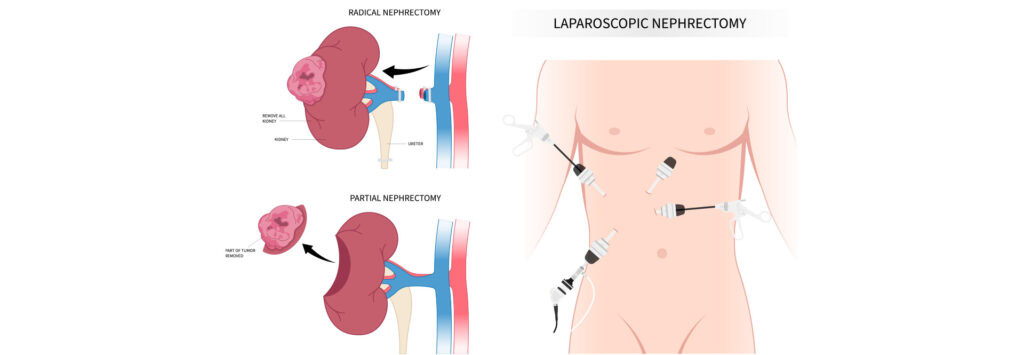
In many cases, surgeons may use minimally invasive (laparoscopic) techniques. Consequently, patients may experience faster recovery and reduced postoperative pain.
Benefits of Ileostomy Surgery
Ileostomy surgery offers several advantages, especially for patients with severe gastrointestinal disorders.
- Relieves symptoms such as pain, bleeding, and obstruction
- Prevents life-threatening complications
- Improves overall quality of life
- Allows healing of the affected bowel
- Enables better disease management
Furthermore, patients often regain the ability to perform daily activities with proper stoma care.
Risks and Complications
Like any surgical procedure, ileostomy surgery carries certain risks. However, proper medical care significantly reduces complications.
Possible Risks:
- Infection at the surgical site
- Stoma irritation or skin problems
- Dehydration due to fluid loss
- Blockage of the stoma
- Hernia near the stoma
Therefore, regular follow-ups and correct stoma management are essential for long-term success.
Recovery and Postoperative Care
Recovery after ileostomy surgery varies from patient to patient. Typically, patients stay in the hospital for several days.
Initially, patients receive guidance on how to care for the stoma. Then, they gradually adapt to using ostomy bags and managing their diet.
Key Care Tips:
- Maintain proper hygiene around the stoma
- Stay hydrated to prevent dehydration
- Follow a balanced and low-residue diet initially
- Monitor stoma output regularly
- Consult healthcare professionals for any concerns
In addition, support from trained stoma care nurses plays a crucial role in recovery.
Living with an Ileostomy
Adjusting to life with an ileostomy can feel challenging at first. However, with the right support and education, most patients lead active and fulfilling lives.
Patients can return to work, travel, and participate in social activities. Modern ostomy products provide comfort, discretion, and reliability, which further enhances confidence.
Conclusion
Ileostomy surgery is an effective treatment for severe gastrointestinal conditions that cannot be managed through conventional therapies. It not only saves lives but also significantly improves patient comfort and well-being.
With advancements in surgical techniques and improved ostomy care products, patients today can enjoy a better quality of life after surgery. Therefore, understanding the procedure, benefits, and care requirements is essential for successful outcomes.
Get Connected:
+91 79909 93062 | +91 63513 72032 | exports@jdmeditech.com