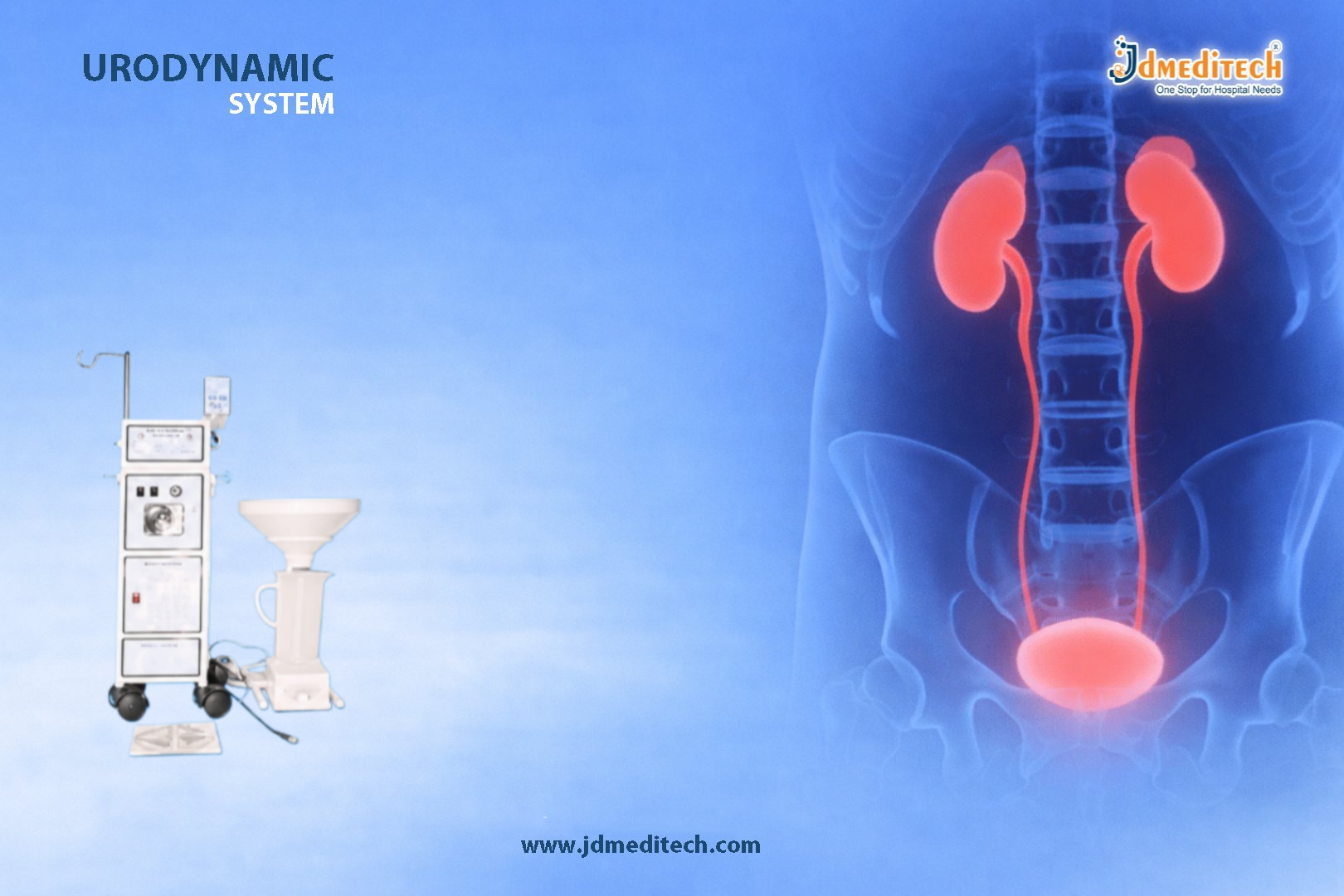
A Urodynamic System is a highly advanced diagnostic solution used to evaluate the function of the bladder and urethra. It plays a crucial role in identifying urinary disorders such as incontinence, overactive bladder, urinary retention, and neurogenic bladder conditions.
In modern urology, accurate diagnosis is essential. Therefore, healthcare professionals rely on a Urodynamic System to measure pressure, flow, and bladder activity in real time. As a result, clinicians can make precise treatment decisions and improve patient outcomes.
What is a Urodynamic System?
A Urodynamic System is a specialized medical device designed to assess how well the bladder, sphincters, and urethra store and release urine. It combines advanced sensors, catheters, and software to provide detailed functional analysis.
Moreover, this system helps doctors understand the root cause of urinary symptoms rather than relying only on patient history.
Key Components of a Urodynamic System
A modern Urodynamic System consists of several essential components. Each part contributes to accurate and reliable diagnosis:
- Pressure Transducers – Measure bladder and abdominal pressure
- Flow Meters – Record urine flow rate
- Catheters & Sensors – Capture internal bladder data
- Electromyography (EMG) – Evaluate muscle activity
- Data Acquisition System – Processes and stores results
- Analysis Software – Generates detailed reports
In addition, advanced systems offer digital interfaces and real-time monitoring, which significantly enhance diagnostic efficiency.
Types of Urodynamic Tests
A Urodynamic System supports multiple diagnostic tests. These tests help evaluate different aspects of urinary function:
1. Uroflowmetry
This test measures the speed and volume of urine flow. It is simple yet highly effective for detecting obstruction or weak bladder function.
2. Cystometry
Cystometry evaluates bladder capacity and pressure during filling. Consequently, it helps diagnose overactive bladder and reduced compliance.
3. Pressure Flow Study
This test analyzes bladder pressure during urination. Therefore, it is essential for diagnosing bladder outlet obstruction.
4. Electromyography (EMG)
EMG measures muscle activity around the bladder and urethra. As a result, it identifies nerve-related dysfunctions.
5. Video Urodynamics
This advanced test combines imaging with pressure measurements. Hence, it provides a comprehensive view of bladder behavior.
Applications of Urodynamic System
A Urodynamic System is widely used in various clinical settings. It is especially valuable in:
- Diagnosing urinary incontinence
- Evaluating overactive bladder (OAB)
- Assessing neurogenic bladder disorders
- Investigating urinary retention
- Pre-surgical evaluation for urological procedures
Furthermore, it is frequently used in hospitals, urology clinics, and specialized diagnostic centers.
Advantages of Using a Urodynamic System
Using a Urodynamic System offers several important benefits:
- Accurate Diagnosis – Provides objective data for precise evaluation
- Improved Treatment Planning – Helps select the most effective therapy
- Minimally Invasive Testing – Ensures patient comfort
- Real-Time Monitoring – Enables immediate clinical decisions
- Comprehensive Analysis – Combines multiple tests in one system
Therefore, clinicians can significantly enhance patient care and treatment outcomes.
How a Urodynamic Test is Performed
A Urodynamic System follows a structured testing procedure:
- First, the patient is prepared and positioned comfortably
- Then, catheters are inserted into the bladder and rectum
- Next, the bladder is filled with sterile fluid
- Meanwhile, pressure and flow data are recorded
- Finally, results are analyzed using specialized software
Although the procedure may sound complex, it is safe, quick, and well-tolerated by most patients.
Latest Innovations in Urodynamic Systems
Modern Urodynamic Systems are equipped with advanced features. For example:
- Wireless and portable systems
- High-resolution pressure sensors
- AI-based diagnostic analysis
- User-friendly touchscreen interfaces
- Integrated reporting and data storage
As technology continues to evolve, these systems are becoming more efficient and easier to use.
Why Choose JDMeditech for Urodynamic Systems?
At JDMeditech, we provide high-quality Urodynamic Systems designed for precision and reliability.
Our Key Benefits:
- Advanced diagnostic technology
- High-accuracy sensors and components
- User-friendly software interface
- Durable and reliable systems
- Global supply and support
Additionally, our systems are trusted by healthcare professionals for consistent performance and superior results.
Conclusion
A Urodynamic System is an essential tool for diagnosing bladder and urinary disorders. Not only does it provide detailed insights into urinary function, but it also helps clinicians deliver targeted and effective treatments.
Therefore, investing in a high-quality Urodynamic System is crucial for modern urology practices aiming to improve patient outcomes and diagnostic accuracy.
Get Connected:
+91 79909 93062 | +91 63513 72032 | exports@jdmeditech.com