Minimally invasive surgery has transformed modern healthcare by reducing patient trauma, shortening recovery time, and improving surgical precision. However, successful laparoscopic procedures depend not only on the primary surgical technique but also on secure port site closure. A laparoscopic port closure instrument is specially designed to provide safe, efficient, and controlled closure of trocar and port sites after laparoscopic surgery.
These instruments help surgeons minimize the risk of port-site hernias, tissue damage, and postoperative complications while ensuring accurate fascial closure. As laparoscopic and robotic procedures continue to grow worldwide, reliable port closure systems have become an essential part of modern surgical practice.
What is a Laparoscopic Port Closure Instrument?
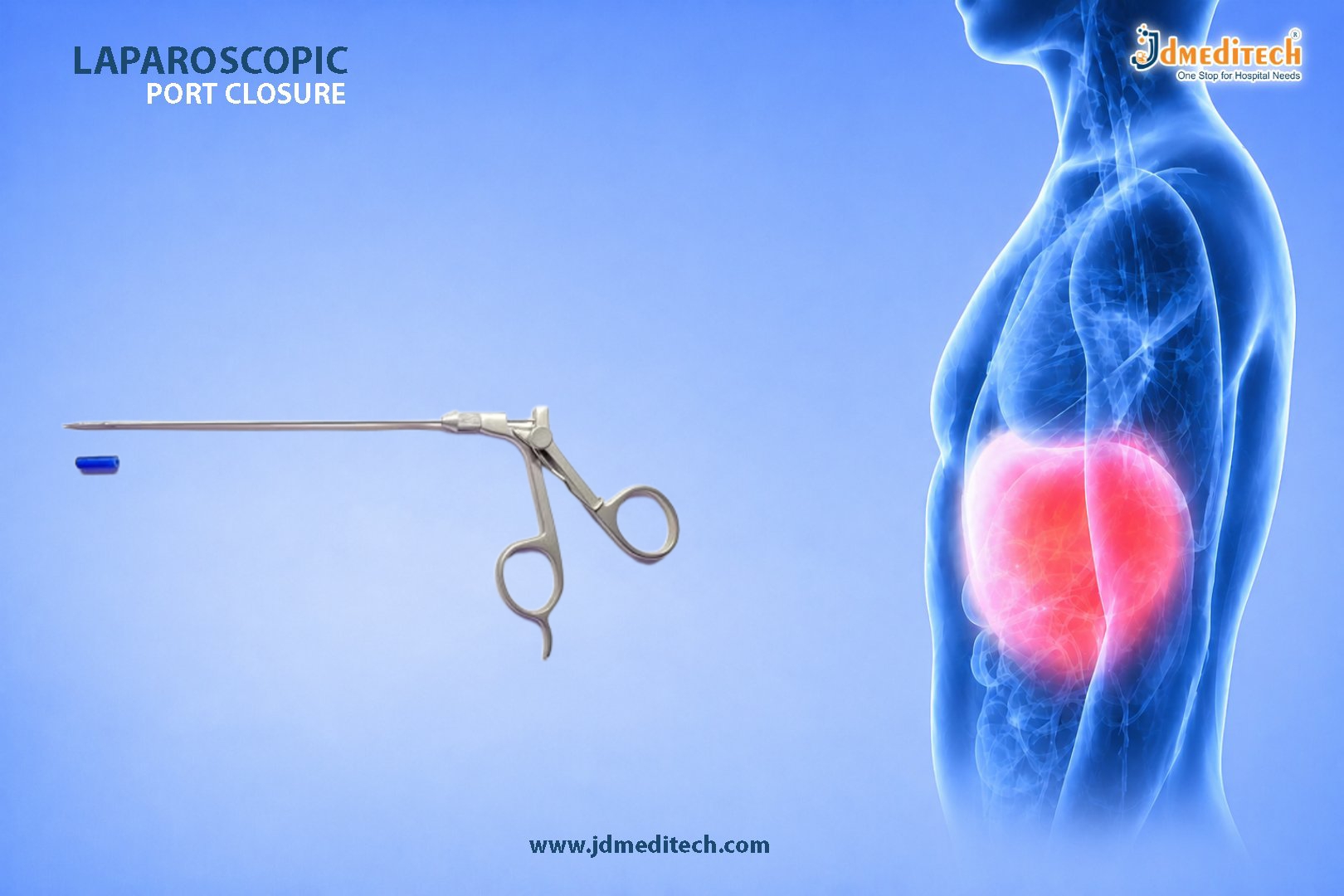
A laparoscopic port closure instrument is a specialized surgical device used to close fascial defects created by trocars during laparoscopic procedures. It allows surgeons to place sutures safely and precisely through small incisions while maintaining minimal tissue trauma.
The instrument is particularly useful for closing larger trocar sites, typically 10 mm or more, where the risk of herniation is higher. It simplifies the suturing process and enhances closure accuracy even in deep abdominal cavities.
Importance of Proper Port Closure in Laparoscopy
Prevention of Port-Site Hernias
One of the primary reasons for proper port closure is to reduce the risk of trocar-site hernias. Inadequate closure can lead to tissue protrusion and serious postoperative complications.
Reduced Risk of Infection
Secure closure minimizes tissue exposure and helps maintain wound integrity, thereby lowering infection risk.
Enhanced Patient Recovery
Accurate closure promotes faster healing, less postoperative pain, and improved cosmetic outcomes.
Improved Surgical Efficiency
Modern port closure devices streamline the suturing process, saving valuable operating room time.
Key Features of Laparoscopic Port Closure Instruments
Ergonomic Handle Design
The instrument typically features a comfortable grip that allows surgeons to maintain precise control during suturing.
Precision Needle Guidance
Advanced designs ensure accurate needle placement for reliable fascial closure.
Minimal Tissue Trauma
The device is engineered to reduce unnecessary tissue handling and damage.
Reusable or Disposable Options
Port closure instruments are available in reusable stainless-steel models as well as disposable sterile versions.
Compatibility with Different Trocar Sizes
These instruments can be used with various trocar diameters and laparoscopic setups.
Applications of Laparoscopic Port Closure Instruments
General Laparoscopic Surgery
Used extensively in procedures such as cholecystectomy, appendectomy, and hernia repair.
Gynecological Procedures
Helps achieve secure closure after hysterectomy and other minimally invasive gynecological surgeries.
Bariatric Surgery
Essential for closing larger trocar sites commonly used in bariatric operations.
Urological Laparoscopy
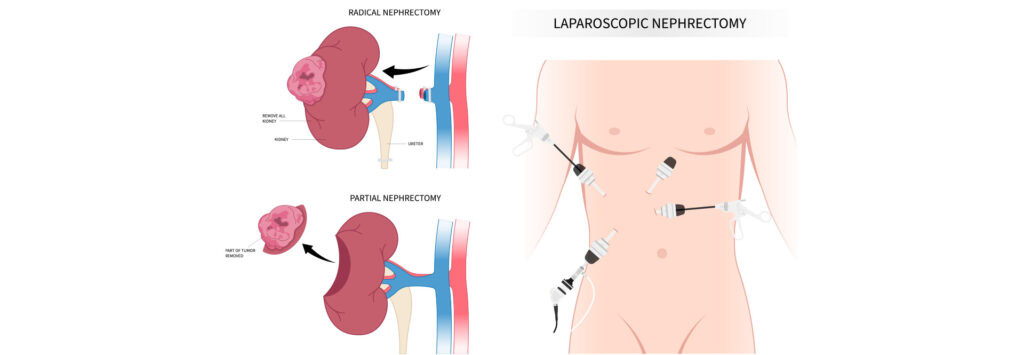
Provides safe fascial closure during nephrectomy and prostate procedures.
Robotic-Assisted Surgery
Supports precise port closure in robotic minimally invasive surgeries.
Benefits of Using a Laparoscopic Port Closure Instrument
Enhanced Surgical Safety
The instrument improves closure accuracy and reduces postoperative complications.
Faster Procedure Time
Efficient suturing mechanisms help surgeons complete closure quickly and effectively.
Better Cosmetic Results
Smaller and well-closed incisions contribute to minimal scarring.
Reliable Fascial Closure
The device ensures strong closure of deep fascial layers, reducing hernia risk.
Improved Surgeon Comfort
Ergonomic construction reduces hand fatigue during lengthy procedures.
Common Types of Port Closure Devices
Needle-Based Closure Systems
These systems use specialized needles to pass sutures through fascial layers.
Suture-Assisted Closure Devices
Designed for controlled suture retrieval and knot placement.
Carter-Thomason Closure Systems
Widely used systems known for safe and efficient trocar site closure.
Automated Port Closure Devices
Advanced systems offering simplified deployment and enhanced precision.
Factors to Consider When Choosing a Port Closure Instrument
Instrument Quality
High-quality surgical-grade materials ensure durability and reliable performance.
Ease of Use
User-friendly designs improve procedural efficiency and reduce learning curves.
Sterilization Compatibility
Reusable instruments should support standard sterilization protocols.
Trocar Size Compatibility
Choose instruments suitable for the trocar sizes used in your procedures.
Manufacturer Reputation
Reliable manufacturers provide quality assurance and consistent product performance.
Role in Modern Minimally Invasive Surgery
As minimally invasive surgery continues to advance, the importance of safe port closure becomes even more significant. Surgeons increasingly prefer specialized closure instruments because they improve procedural outcomes and patient safety. Moreover, with the rise of robotic surgery and complex laparoscopic interventions, dependable closure systems are becoming indispensable in operating rooms worldwide.
Maintenance and Sterilization
Proper Cleaning
Thorough cleaning after every use helps maintain instrument performance and longevity.
Sterilization Procedures
Reusable port closure devices should undergo validated sterilization cycles according to hospital protocols.
Routine Inspection
Regular inspection ensures that the instrument remains free from damage and functions correctly.
Conclusion
A laparoscopic port closure instrument plays a critical role in ensuring safe, secure, and effective closure of trocar sites in minimally invasive surgery. Its precision design, ergonomic handling, and reliable closure capabilities help surgeons reduce complications while improving patient recovery and surgical outcomes.
As laparoscopic and robotic surgeries continue to evolve, investing in high-quality port closure instruments becomes essential for healthcare facilities seeking enhanced efficiency, safety, and clinical excellence.
Get Connected:
+91 79909 93062 | +91 63513 72032 | exports@jdmeditech.com