In modern minimally invasive surgeries, maintaining stable pneumoperitoneum is critical for surgical precision and patient safety. One of the most important components supporting this process is CO₂ Insufflator Tubing. Designed to provide a secure and uninterrupted flow of carbon dioxide from the insufflator to the patient, this tubing ensures controlled abdominal insufflation during laparoscopic procedures.
High-quality CO₂ insufflator tubing helps prevent gas leakage, pressure fluctuations, and interruptions that may affect surgical performance. Therefore, hospitals and surgical centers rely on durable and medically compliant tubing systems for smooth laparoscopic operations.
What is CO₂ Insufflator Tubing?
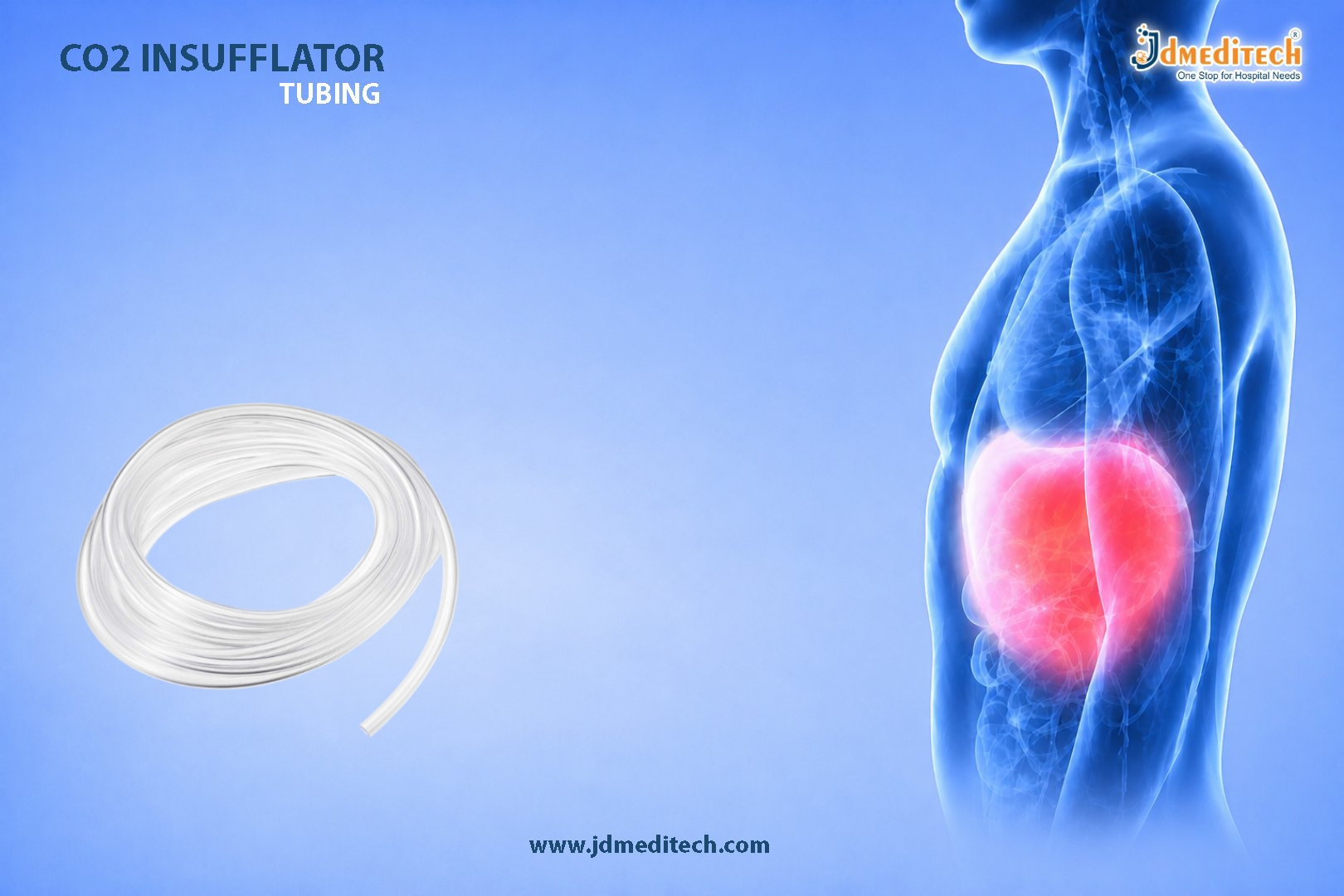
CO₂ insufflator tubing is a sterile medical-grade tube used to connect the laparoscopic insufflator machine to the trocar or patient port. Its primary role is to transport carbon dioxide gas safely and efficiently into the abdominal cavity to create adequate working space for surgeons.
The tubing is specifically designed to withstand controlled pressure conditions while maintaining a leak-free connection throughout the procedure.
Importance of Controlled CO₂ Insufflation in Laparoscopic Surgery
Controlled insufflation is essential because it directly impacts visualization, organ separation, and surgical access. Inadequate gas delivery or pressure instability can compromise procedural efficiency.
Key Benefits of Stable Insufflation:
- Improved surgical visibility
- Enhanced instrument maneuverability
- Reduced risk of pressure-related complications
- Better procedural accuracy
- Consistent pneumoperitoneum maintenance
Because of these advantages, reliable insufflator tubing becomes an indispensable component in minimally invasive surgery.
Features of High-Quality CO₂ Insufflator Tubing
Premium-quality insufflator tubing is engineered for safety, durability, and precision. Additionally, advanced manufacturing ensures compatibility with modern insufflation systems.
Leak-Free Connection Design
Secure connectors help eliminate accidental gas leakage during surgery. This ensures uninterrupted gas flow and stable intra-abdominal pressure.
Medical-Grade Flexible Material
The tubing is manufactured using biocompatible and kink-resistant material for smooth gas transfer.
Universal Compatibility
Many CO₂ insufflator tubes are designed to fit a wide range of laparoscopic insufflators and trocars.
Sterile and Disposable Options
Disposable tubing minimizes contamination risks and supports infection control protocols in operating rooms.
High Pressure Resistance
The tubing can withstand continuous gas flow and pressure variations without collapsing or rupturing.
Applications of CO₂ Insufflator Tubing
Widely Used Across Multiple Minimally Invasive Procedures
CO₂ insufflator tubing is extensively used in various laparoscopic and endoscopic procedures where controlled gas insufflation is necessary.
Common applications include:
- General laparoscopic surgery
- Gynecological procedures
- Bariatric surgery
- Urological surgery
- Colorectal surgery
- Thoracic minimally invasive procedures
Its reliable performance supports smooth and uninterrupted surgical workflow.
Why Leak-Free Tubing Matters in Surgery
Gas leakage during laparoscopic procedures may lead to unstable pneumoperitoneum, reduced visibility, and procedural delays. Therefore, selecting high-quality tubing is crucial for maintaining surgical efficiency.
Advantages of Leak-Free Insufflator Tubing:
- Maintains constant intra-abdominal pressure
- Prevents unnecessary CO₂ loss
- Enhances patient safety
- Supports uninterrupted surgery
- Improves surgeon confidence and control
As a result, surgeons can focus more effectively on precision and procedural outcomes.
Factors to Consider When Choosing CO₂ Insufflator Tubing
Selecting the right tubing system helps improve operational reliability and patient safety.
Compatibility
Ensure the tubing matches the insufflator machine and trocar system used in the operating room.
Sterility Standards
Always choose tubing manufactured according to medical sterilization and safety standards.
Durability
Strong and flexible tubing reduces the risk of kinking, cracking, or accidental disconnection.
Length and Flexibility
Adequate tubing length provides comfortable equipment positioning without compromising gas flow.
Connector Security
Reliable connectors help maintain a tight and stable fit during long procedures.
Role of CO₂ Insufflator Tubing in Patient Safety
Patient safety remains a top priority during minimally invasive surgery. Since insufflation directly affects internal pressure conditions, dependable tubing contributes significantly to procedural stability.
Proper tubing design helps:
- Prevent pressure inconsistencies
- Reduce contamination risks
- Ensure controlled gas delivery
- Support efficient surgical outcomes
Consequently, high-quality tubing systems are widely preferred in advanced operating environments.
Maintenance and Handling Tips
Although many insufflator tubes are disposable, proper handling remains essential for optimal performance.
Recommended Practices:
- Inspect connectors before use
- Avoid bending or excessive twisting
- Use only compatible equipment
- Store in clean and dry conditions
- Follow manufacturer usage guidelines
These precautions help maintain safe and efficient insufflation during procedures.
Future Advancements in Insufflation Tubing Technology
Medical device manufacturers continue to improve insufflation systems with advanced materials and connector technologies.
Upcoming innovations may include:
- Enhanced anti-kink tubing structures
- Smart pressure-monitoring compatibility
- Eco-friendly disposable materials
- Improved ergonomic connector systems
Such advancements aim to further enhance surgical precision and operational reliability.
Conclusion
CO₂ Insufflator Tubing plays a critical role in ensuring stable, leak-free, and controlled insufflation during laparoscopic procedures. Its ability to maintain uninterrupted gas flow supports better visualization, improved surgeon control, and enhanced patient safety.
By choosing high-quality insufflator tubing, healthcare professionals can achieve smoother surgical performance while minimizing complications associated with pressure instability or gas leakage. As minimally invasive surgery continues to advance, reliable insufflation tubing will remain an essential component of modern surgical practice.
Get Connected:
+91 79909 93062 | +91 63513 72032 | exports@jdmeditech.com