Laparoscopic Ureterolithotomy Surgery is an advanced minimally invasive urologic procedure used to remove large or impacted stones from the ureter. The ureter is the narrow tube that carries urine from the kidneys to the bladder. When stones become lodged inside the ureter, they can block urine flow and cause severe pain, infection, and kidney damage.
Although many ureteric stones can be treated with endoscopic techniques or shock wave therapy, some stones require direct surgical removal. Therefore, laparoscopic ureterolithotomy provides an effective solution for complex or difficult stones that cannot be managed with less invasive methods.
Moreover, this modern surgical approach offers smaller incisions, reduced pain, faster recovery, and improved cosmetic results compared to traditional open surgery.
What is Laparoscopic Ureterolithotomy Surgery?
Understanding the Procedure
Laparoscopic Ureterolithotomy Surgery is a minimally invasive procedure in which surgeons remove ureteric stones through small abdominal incisions using laparoscopic instruments and a high-definition camera.
During the surgery, the affected ureter is identified carefully, opened precisely, and the stone is removed directly. Afterwards, the ureter is repaired to restore normal urine flow.
Consequently, this procedure allows effective stone clearance while minimizing tissue trauma and postoperative discomfort.
Why is Laparoscopic Ureterolithotomy Performed?
Common Medical Indications
This surgery is generally recommended for patients with large, impacted, or difficult ureteric stones that cannot be treated successfully through non-surgical methods.
Common indications include:
- Large ureteric stones
- Impacted ureteric calculi
- Failed ureteroscopy or lithotripsy
- Severe ureteral obstruction
- Persistent kidney pain
- Recurrent urinary tract infections
- Hydronephrosis caused by stones
- Complex ureteric anatomy
Furthermore, laparoscopic surgery may be preferred when rapid and complete stone removal is necessary.
Understanding Ureteric Stones
How Stones Form in the Ureter
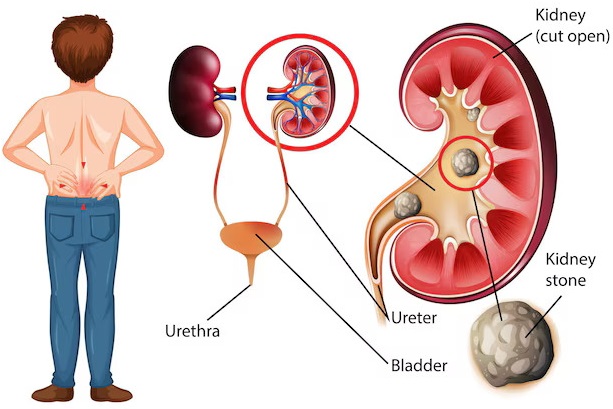
Ureteric stones usually develop in the kidneys and later travel into the ureter. However, some stones become trapped during movement and obstruct urine flow.
Several factors may increase the risk of stone formation, including:
- Dehydration
- High mineral concentration in urine
- Dietary factors
- Recurrent urinary infections
- Metabolic disorders
- Family history of kidney stones
Therefore, proper hydration and early medical evaluation are important for preventing complications.
Symptoms That May Require Surgery
Warning Signs of Ureteric Obstruction
Patients with ureteric stones may develop severe and persistent symptoms.
Common symptoms include:
- Severe flank pain
- Blood in urine
- Painful urination
- Nausea and vomiting
- Difficulty passing urine
- Fever with infection
- Frequent urination
- Kidney swelling due to obstruction
Additionally, untreated obstruction may lead to kidney damage. Therefore, timely surgical intervention is extremely important.
Preoperative Evaluation Before Surgery
Diagnostic Tests and Surgical Planning
Before laparoscopic ureterolithotomy surgery, the urologist performs several investigations to confirm stone location and evaluate kidney function.
Common investigations include:
- Physical examination
- Urine analysis
- Blood investigations
- Ultrasound imaging
- CT scan
- X-ray imaging
- Kidney function tests
Furthermore, these tests help surgeons plan the safest and most effective surgical approach.
How Laparoscopic Ureterolithotomy Surgery is Performed
Step-by-Step Surgical Technique
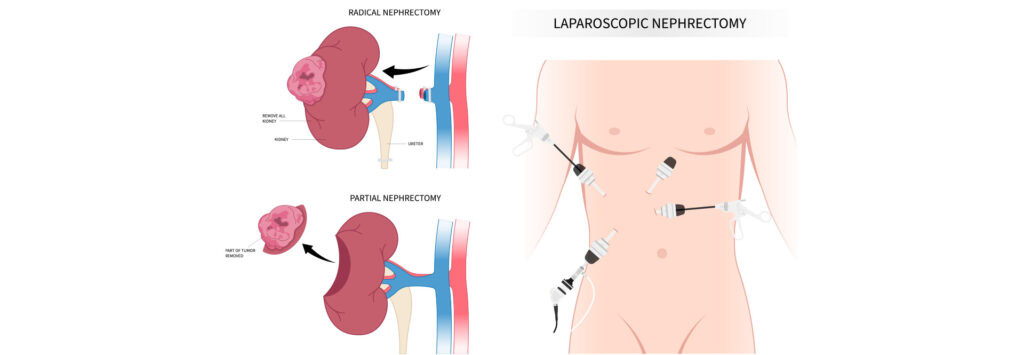
The procedure is usually performed under general anesthesia. First, small incisions are created in the abdominal area for insertion of laparoscopic instruments.
Surgical Procedure
- The patient is placed under general anesthesia.
- Small abdominal incisions are made.
- A laparoscopic camera is inserted for visualization.
- The affected ureter is identified carefully.
- A small incision is made in the ureter.
- The ureteric stone is removed directly.
- The ureter is repaired securely.
- A ureteral stent may be placed temporarily.
- Finally, the surgical incisions are closed carefully.
As a result, urine flow is restored and obstruction is relieved effectively.
Advantages of Laparoscopic Ureterolithotomy Surgery
Benefits of Minimally Invasive Stone Removal
Laparoscopic ureterolithotomy offers several important advantages compared to traditional open surgery.
Key benefits include:
- Smaller surgical incisions
- Reduced postoperative pain
- Faster recovery
- Shorter hospital stay
- Minimal blood loss
- Improved cosmetic results
- Effective stone clearance
- Reduced tissue trauma
Moreover, patients can often return to normal activities sooner after recovery.
Role of Ureteral Stenting After Surgery
Supporting Proper Healing
In many cases, surgeons place a temporary ureteral stent after surgery to support urine drainage and promote healing.
Benefits of ureteral stenting include:
- Improved urine flow
- Reduced ureteral swelling
- Faster healing
- Prevention of blockage during recovery
Additionally, the stent is usually removed after the ureter heals adequately.
Postoperative Recovery and Care
Recovery Guidelines After Surgery
Recovery after laparoscopic ureterolithotomy is generally faster than traditional open surgery. However, patients should follow proper postoperative instructions carefully.
Important recovery recommendations include:
- Drink adequate fluids
- Take medications as prescribed
- Avoid heavy lifting temporarily
- Attend follow-up appointments
- Monitor urinary symptoms
- Maintain proper wound care
Furthermore, mild urinary discomfort or temporary blood in the urine may occur during early recovery.
Risks and Possible Complications
Understanding Surgical Safety
Although laparoscopic ureterolithotomy is considered safe and effective, certain complications may occasionally occur.
Possible complications include:
- Bleeding
- Infection
- Urinary leakage
- Ureteral narrowing
- Temporary urinary discomfort
- Stent-related symptoms
- Residual stone fragments
Nevertheless, experienced surgeons and modern surgical technology significantly reduce these risks.
Importance of Advanced Laparoscopic Instruments
Role of Precision Surgical Equipment
Modern laparoscopic ureterolithotomy procedures rely heavily on advanced urologic and laparoscopic instruments. Consequently, surgeons can perform highly precise procedures with improved safety.
Commonly used equipment includes:
- Laparoscopic cameras
- Trocars and access ports
- Precision laparoscopic instruments
- Ureteral stents
- Electrosurgical units
- High-definition visualization systems
Moreover, advanced technology improves surgical efficiency, precision, and patient outcomes.
Preventing Future Ureteric Stones
Maintaining Long-Term Urinary Health
After surgery, patients should follow preventive measures to reduce the risk of future stone formation.
Preventive recommendations include:
- Drink sufficient water daily
- Reduce excessive salt intake
- Follow dietary advice carefully
- Manage metabolic disorders
- Attend regular medical follow-ups
- Treat urinary infections promptly
Therefore, long-term urinary care is essential for maintaining kidney and ureteral health.
Long-Term Outcomes of Laparoscopic Ureterolithotomy
Effective Stone Clearance and Recovery
Most patients experience excellent long-term outcomes after surgery. In particular, complete stone removal helps restore normal kidney drainage and relieve urinary symptoms.
Long-term benefits may include:
- Improved kidney function
- Reduced pain
- Better urine flow
- Lower risk of recurrent obstruction
- Enhanced quality of life
Furthermore, regular follow-up imaging helps ensure complete recovery and stone-free status.
Conclusion
Advanced Minimally Invasive Solution for Complex Ureteric Stones
Laparoscopic Ureterolithotomy Surgery is a modern and highly effective minimally invasive procedure for removing large or impacted ureteric stones. By combining precise stone removal with advanced laparoscopic technology, the procedure offers excellent stone clearance, reduced postoperative discomfort, and faster recovery.
Moreover, ongoing advancements in urologic surgery and laparoscopic instrumentation continue to improve patient safety and long-term outcomes. Therefore, laparoscopic ureterolithotomy remains an important treatment option for managing complex ureteric stone disease effectively.
Get Connected:
+91 79909 93062 | +91 63513 72032 | exports@jdmeditech.com