PUJ Obstruction Surgery is an advanced urologic procedure performed to correct blockage at the pelvi-ureteric junction (PUJ), the area where the kidney pelvis joins the ureter. This obstruction can interfere with the normal flow of urine from the kidney to the bladder, leading to kidney swelling, recurrent infections, pain, and possible kidney damage if left untreated.
Modern surgical techniques such as laparoscopic and robotic-assisted pyeloplasty provide highly effective treatment with minimal invasiveness, faster recovery, and excellent long-term outcomes.
What is PUJ Obstruction?
PUJ obstruction, also known as UPJ obstruction, occurs when there is narrowing or blockage between the renal pelvis and the ureter. This blockage prevents urine from draining properly, causing urine accumulation in the kidney and resulting in hydronephrosis.
The condition may affect both children and adults and can involve one or both kidneys.
Main Features of PUJ Obstruction
- Impaired urine drainage from the kidney
- Swelling of the kidney
- Pain and urinary symptoms
- Increased risk of infection and kidney damage
Causes of PUJ Obstruction
PUJ obstruction may be congenital (present from birth) or acquired later in life.
Congenital Causes
- Narrow ureteric segment
- Abnormal development of urinary tract muscles
- Crossing blood vessels compressing the PUJ
- High insertion of the ureter
Acquired Causes
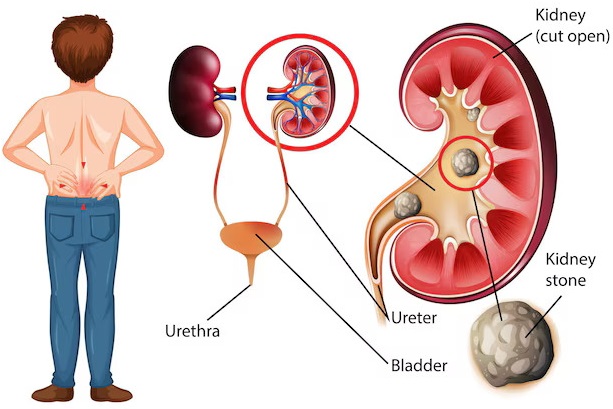
- Kidney stones
- Scar tissue formation
- Recurrent urinary tract infections
- Previous surgeries
- Trauma or injury
- Tumors or inflammation
Symptoms of PUJ Obstruction
Symptoms vary depending on the severity of the obstruction and the patient’s age.
Common Symptoms
- Flank or abdominal pain
- Pain after heavy fluid intake
- Recurrent urinary tract infections
- Blood in urine
- Nausea and vomiting
- Fever during infections
- Kidney stones
Symptoms in Children
- Swelling detected during pregnancy scans
- Abdominal lump
- Poor feeding
- Irritability
- Recurrent fever
Some patients may remain asymptomatic and are diagnosed during routine imaging studies.
Diagnosis of PUJ Obstruction
Proper diagnosis is essential before planning treatment.
Clinical Evaluation
The urologist evaluates:
- Medical history
- Pain pattern
- Urinary symptoms
- History of kidney stones or infections
Imaging and Diagnostic Tests
Ultrasound
Used to detect hydronephrosis and kidney swelling.
CT Scan
Provides detailed imaging of the urinary tract.
MRI Urography
Offers advanced imaging in selected patients.
Nuclear Renal Scan
Evaluates kidney drainage and kidney function.
Blood and Urine Tests
Performed to assess infection and kidney health.
Types of PUJ Obstruction Surgery
Different surgical techniques are available depending on the severity and anatomy of the obstruction.
Pyeloplasty Surgery
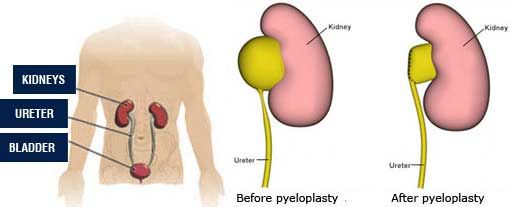
Pyeloplasty is considered the gold standard treatment for PUJ obstruction.
During the procedure:
- The narrowed segment is removed
- The ureter is reconstructed
- Normal urine flow is restored
Success rates are extremely high with long-term relief.
Open Pyeloplasty
Traditional surgery performed through a larger incision.
Advantages
- Effective for complex cases
- Direct surgical access
Limitations
- Larger scar
- Longer recovery
- More postoperative discomfort
Laparoscopic Pyeloplasty
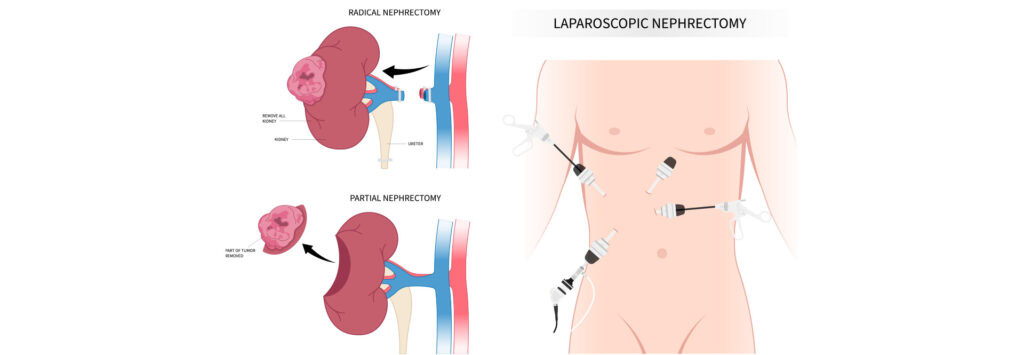
A minimally invasive technique performed using small incisions and a camera.
Benefits
- Smaller scars
- Reduced pain
- Faster recovery
- Shorter hospital stay
Robotic-Assisted Pyeloplasty
Robotic surgery provides enhanced precision and better visualization.
Advantages
- High surgical accuracy
- Reduced blood loss
- Faster healing
- Excellent cosmetic results
Endopyelotomy
A minimally invasive endoscopic procedure performed in selected cases.
Suitable For
- Mild obstruction
- Certain recurrent cases
However, success rates may be lower compared to pyeloplasty.
Procedure of PUJ Obstruction Surgery
The surgery is performed under general anesthesia and involves reconstruction of the obstructed urinary passage.
Preoperative Preparation
Before surgery, patients undergo:
- Blood investigations
- Imaging tests
- Urine analysis
- Anesthesia evaluation
Surgical Steps
Step 1: Administration of Anesthesia
General anesthesia ensures patient comfort during surgery.
Step 2: Access to the PUJ
The surgeon reaches the obstruction using open, laparoscopic, or robotic techniques.
Step 3: Removal of Obstructed Segment
The narrowed portion is carefully excised.
Step 4: Reconstruction
The healthy ureter is reattached to the renal pelvis.
Step 5: Stent Placement
A temporary ureteral stent supports healing and drainage.
Recovery After PUJ Obstruction Surgery
Recovery depends on the surgical method and patient health.
Hospital Stay
- 1–3 days after minimally invasive surgery
- Longer after open surgery
Recovery Timeline
First Few Days
Patients may experience:
- Mild pain
- Fatigue
- Temporary urinary discomfort
Within 2–4 Weeks
Most daily activities can be resumed gradually.
Full Recovery
Complete recovery generally occurs within 4–6 weeks.
Stent Removal
The ureteral stent is usually removed after 2–6 weeks.
Benefits of PUJ Obstruction Surgery
PUJ repair surgery offers excellent functional and symptomatic improvement.
Major Benefits
- Restoration of normal urine flow
- Preservation of kidney function
- Relief from pain
- Reduced infection risk
- Prevention of kidney stones
- Improved quality of life
Risks and Complications
Although the surgery is generally safe, certain risks may occur.
Possible Complications
- Bleeding
- Infection
- Urine leakage
- Stent discomfort
- Scar formation
- Recurrence of obstruction
Complications are uncommon when performed by experienced urologic surgeons.
Success Rate of PUJ Obstruction Surgery
Pyeloplasty provides excellent long-term success.
Expected Outcomes
- Success rates above 90–95%
- Improved kidney drainage
- Relief of symptoms
- Preservation of kidney function
Regular follow-up helps ensure durable results.
Who Needs PUJ Obstruction Surgery?
Surgery is recommended in patients with significant obstruction or declining kidney function.
Common Indications
- Persistent flank pain
- Recurrent urinary infections
- Progressive hydronephrosis
- Reduced kidney function
- Recurrent kidney stones
- Poor drainage on renal scans
Follow-Up and Lifestyle Care
Proper postoperative care supports long-term recovery.
Important Recommendations
- Drink adequate fluids
- Take prescribed medications regularly
- Attend follow-up appointments
- Undergo repeat imaging if advised
- Seek medical care for fever or severe pain
Conclusion
PUJ Obstruction Surgery is a highly effective and precision-based urologic procedure designed to restore normal urine drainage and preserve kidney function. Modern laparoscopic and robotic-assisted pyeloplasty techniques offer excellent outcomes with reduced pain, minimal scarring, and faster recovery.
Early diagnosis and timely treatment play a vital role in preventing kidney damage and improving long-term urinary health. With appropriate surgical care and follow-up, most patients experience lasting relief and a significantly improved quality of life.
Get Connected:
+91 79909 93062 | +91 63513 72032 | exports@jdmeditech.com