
Laparoscopic appendectomy surgery is a modern minimally invasive procedure performed to remove the appendix in patients diagnosed with acute appendicitis. Acute appendicitis is one of the most common surgical emergencies and occurs when the appendix becomes inflamed or infected. If left untreated, the appendix may rupture and lead to serious abdominal complications. Therefore, timely surgical intervention is essential.
Traditionally, appendectomy was performed through a large abdominal incision. However, advancements in laparoscopic surgery now allow surgeons to remove the appendix using small incisions, specialized instruments, and high-definition cameras. Consequently, patients experience less pain, faster recovery, shorter hospital stays, and improved cosmetic outcomes.
Today, laparoscopic appendectomy is widely regarded as the preferred surgical treatment for acute appendicitis because of its safety, effectiveness, and minimally invasive nature.
What Is Laparoscopic Appendectomy Surgery?
Laparoscopic appendectomy surgery is a minimally invasive procedure used to remove the inflamed appendix through small abdominal incisions with the help of a laparoscope.
The appendix is a small finger-shaped pouch attached to the large intestine. Although its exact function remains unclear, inflammation of the appendix can rapidly become dangerous if infection spreads within the abdomen.
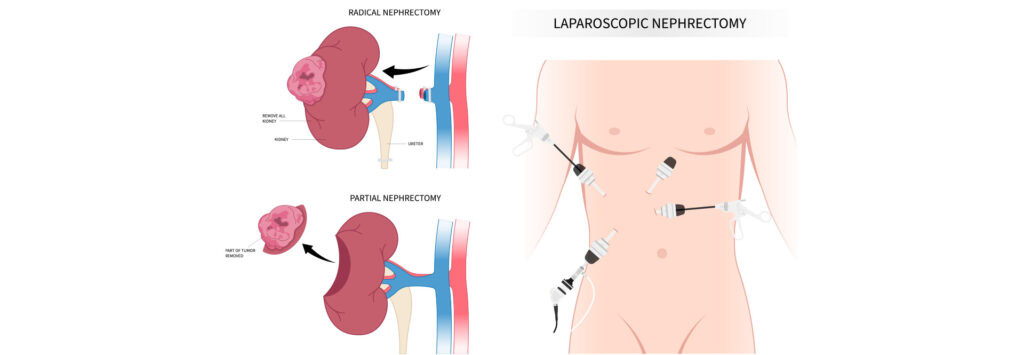
During laparoscopic appendectomy, the surgeon inserts a camera-equipped laparoscope and specialized instruments into the abdomen. Afterward, the appendix is carefully separated and removed while preserving nearby organs and tissues.
Ultimately, the primary goal of the surgery is to eliminate infection, prevent rupture, and restore abdominal health safely.
Understanding Acute Appendicitis
Acute appendicitis occurs when the appendix becomes blocked, inflamed, and infected. In many cases, the blockage may result from hardened stool, infection, swelling, or lymphatic tissue enlargement.
Common Symptoms of Acute Appendicitis Include:
- Sudden abdominal pain
- Pain starting near the navel and shifting to the lower right abdomen
- Fever
- Nausea and vomiting
- Loss of appetite
- Abdominal swelling
- Difficulty passing gas
- Pain during movement or coughing
Therefore, immediate medical evaluation is important whenever appendicitis is suspected.
Why Is Laparoscopic Appendectomy Performed?
Laparoscopic appendectomy is performed to remove the infected appendix before complications develop.
Common Indications for Surgery Include:
- Acute appendicitis
- Recurrent appendicitis
- Ruptured appendix
- Appendiceal abscess
- Chronic appendiceal inflammation
- Uncertain abdominal diagnosis requiring exploration
In addition, early surgery significantly reduces the risk of appendix rupture and severe abdominal infection.
Who Is a Suitable Candidate for Laparoscopic Appendectomy?
Generally, laparoscopic appendectomy may be recommended for:
- Patients with confirmed appendicitis
- Individuals with recurrent abdominal pain related to the appendix
- Children and adults with acute appendicitis
- Patients medically fit for minimally invasive surgery
- Individuals requiring emergency abdominal surgery
Importantly, suitability depends on the patient’s overall condition and severity of infection.
Preoperative Evaluation Before Surgery
Before laparoscopic appendectomy, the surgeon performs detailed clinical assessments to confirm the diagnosis and prepare for surgery.
Medical History Review
Initially, the doctor evaluates:
- Nature and duration of abdominal pain
- Fever and digestive symptoms
- Previous abdominal surgeries
- Medication history
- Existing medical conditions
Physical Examination
Furthermore, abdominal examination helps identify:
- Right lower abdominal tenderness
- Guarding or rigidity
- Rebound tenderness
- Signs of infection
Diagnostic Investigations
Additional tests may include:
- Blood tests
- Urine analysis
- Abdominal ultrasound
- CT scan
- MRI in selected patients
Consequently, these investigations help confirm appendicitis and guide treatment planning.
How Laparoscopic Appendectomy Surgery Is Performed
Typically, laparoscopic appendectomy is performed under general anesthesia using advanced minimally invasive surgical equipment.
Step-by-Step Surgical Procedure
1. Creation of Small Incisions
First, the surgeon creates several tiny abdominal incisions for insertion of the laparoscope and surgical instruments.
2. Inflation of the Abdomen
Next, carbon dioxide gas is introduced to create working space inside the abdomen.
3. Visualization of the Appendix
Afterward, the laparoscope provides magnified visualization of the inflamed appendix and surrounding structures.
4. Separation of the Appendix
Then, the appendix is carefully separated from nearby tissues and blood vessels.
5. Removal of the Appendix
Subsequently, the appendix is sealed, divided, and removed through one of the small incisions.
6. Cleaning of the Abdominal Cavity
If infection or rupture is present, the surgeon may clean the abdominal cavity thoroughly.
7. Closure of Incisions
Finally, the surgical instruments are removed and the incisions are closed with sutures or surgical glue.
Overall, the procedure usually takes between 30 minutes and 1 hour depending on surgical complexity.
Benefits of Laparoscopic Appendectomy Surgery
Laparoscopic appendectomy offers several important advantages over traditional open surgery.
Minimally Invasive Technique
Because the procedure uses small incisions, postoperative pain and tissue trauma are significantly reduced.
Faster Recovery
Additionally, patients usually recover more quickly and return to daily activities sooner.
Shorter Hospital Stay
Many patients are discharged within 24 to 48 hours after surgery.
Reduced Risk of Wound Infection
Smaller incisions lower the risk of wound complications.
Better Cosmetic Results
Furthermore, minimal scarring improves cosmetic appearance after recovery.
Improved Visualization
The laparoscopic camera provides magnified surgical views, allowing greater precision during surgery.
Recovery After Laparoscopic Appendectomy
Recovery after laparoscopic appendectomy is generally smooth and uncomplicated.
Common Postoperative Symptoms
Initially, patients may experience:
- Mild abdominal discomfort
- Temporary bloating
- Shoulder pain due to surgical gas
- Mild fatigue
- Nausea
However, these symptoms usually improve within several days.
Recovery Guidelines
To support proper healing, patients are advised to:
- Walk regularly after surgery
- Stay hydrated
- Follow dietary recommendations
- Avoid heavy lifting temporarily
- Maintain incision hygiene
- Take prescribed medications
As a result, most patients resume normal activities within 1 to 2 weeks.
Diet After Appendectomy Surgery
Following surgery, temporary dietary adjustments may support digestive recovery.
Recommended Dietary Measures
Patients are encouraged to:
- Start with light meals
- Eat easily digestible foods
- Stay hydrated
- Increase fiber gradually
- Avoid excessively greasy foods initially
Consequently, these measures may help improve digestive comfort during recovery.
Risks and Complications
Although laparoscopic appendectomy is considered very safe, certain complications may occasionally occur.
Possible Complications Include:
- Bleeding
- Infection
- Injury to nearby organs
- Abscess formation
- Hernia at incision sites
- Blood clots
- Anesthesia-related complications
Nevertheless, complication rates are generally low when surgery is performed promptly by experienced surgeons.
Complicated Appendicitis and Ruptured Appendix
In some cases, delayed treatment may cause the appendix to rupture, leading to serious abdominal infection.
Signs of Complicated Appendicitis May Include:
- Severe abdominal pain
- High fever
- Generalized abdominal swelling
- Pus formation
- Sepsis symptoms
Therefore, emergency surgical management becomes critically important in such situations.
Success Rates of Laparoscopic Appendectomy
Laparoscopic appendectomy has very high success rates and excellent long-term outcomes.
Factors Affecting Outcomes
Several factors influence recovery and surgical success, including:
- Timing of surgery
- Severity of appendicitis
- Presence of rupture
- Patient health condition
- Surgical expertise
General Outcomes
Modern laparoscopic appendectomy typically provides:
- Complete symptom resolution
- Rapid recovery
- Minimal scarring
- Low complication rates
- Excellent patient satisfaction
Therefore, early diagnosis and treatment are highly beneficial.
Lifestyle Tips After Appendectomy Surgery
Healthy habits may support faster recovery and overall wellness after surgery.
Recommended Lifestyle Measures
Patients are encouraged to:
- Resume physical activity gradually
- Follow balanced nutrition
- Avoid smoking
- Maintain healthy body weight
- Attend follow-up appointments
- Follow postoperative instructions carefully
Consequently, these measures may improve healing and long-term recovery.
Choosing the Right Surgeon
Successful laparoscopic appendectomy requires expertise in minimally invasive abdominal surgery.
Patients Should Look For:
- Experienced laparoscopic surgeons
- Advanced hospital facilities
- Emergency surgical expertise
- Strong infection control protocols
- Comprehensive postoperative care
Ultimately, experienced surgical teams improve patient safety and recovery outcomes.
Conclusion
Laparoscopic appendectomy surgery is an advanced minimally invasive procedure for the safe and effective treatment of acute appendicitis. By combining modern endoscopic technology with precise surgical techniques, the procedure provides rapid symptom relief, reduced postoperative pain, and faster recovery.
Moreover, early diagnosis and timely surgical intervention can prevent serious complications such as appendix rupture and abdominal infection. Therefore, individuals experiencing symptoms of appendicitis should seek immediate medical attention for proper evaluation and treatment.
With modern laparoscopic advancements and specialized surgical care, laparoscopic appendectomy continues to remain the preferred treatment for acute appendicitis worldwide.
Get Connected:
+91 79909 93062 | +91 63513 72032 | exports@jdmeditech.com