Laparoscopic salpingectomy surgery is a modern minimally invasive gynecological procedure performed to remove one or both fallopian tubes. This advanced endoscopic technique is commonly used for the treatment of various tubal pathologies, including ectopic pregnancy, hydrosalpinx, pelvic infections, damaged fallopian tubes, and certain gynecologic cancers.
Traditionally, salpingectomy required open abdominal surgery with larger incisions and prolonged recovery. However, advancements in laparoscopic surgery have transformed gynecologic care by allowing surgeons to perform fallopian tube removal through small incisions using specialized instruments and high-definition cameras.
As a result, laparoscopic salpingectomy offers reduced postoperative pain, faster healing, shorter hospital stay, minimal scarring, and improved surgical precision. Therefore, it has become a preferred surgical option for managing many fallopian tube-related conditions.
What Is Laparoscopic Salpingectomy Surgery?
Laparoscopic salpingectomy surgery is a minimally invasive procedure in which one or both fallopian tubes are surgically removed using laparoscopic instruments inserted through small abdominal incisions.
The fallopian tubes connect the ovaries to the uterus and play an important role in natural fertilization. However, certain diseases or structural abnormalities affecting the tubes may require surgical removal to protect reproductive health and prevent complications.
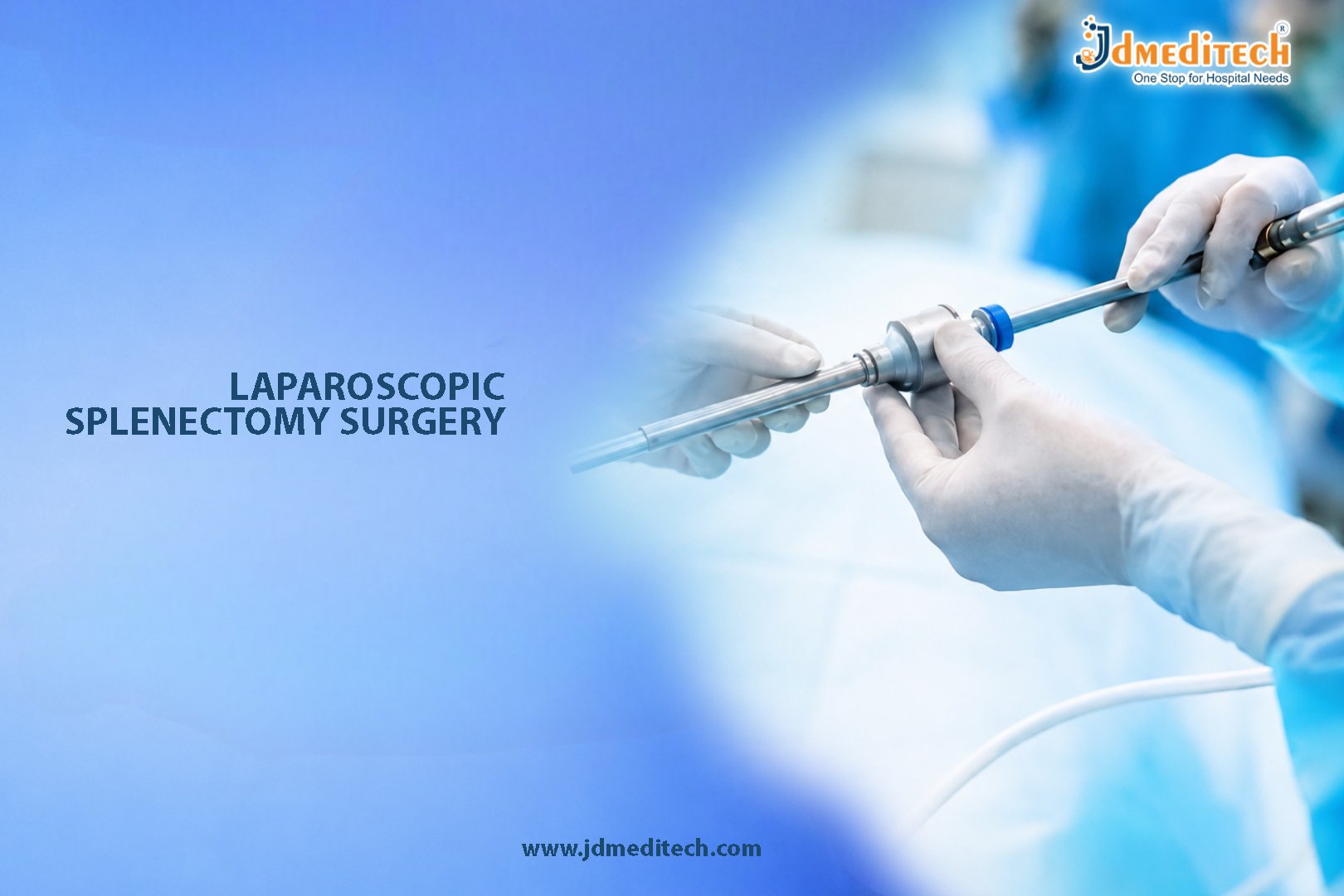
During the procedure, the surgeon uses a laparoscope, which is a thin camera-equipped instrument that provides magnified visualization of the pelvic organs. Subsequently, the affected fallopian tube is carefully separated and removed while preserving nearby reproductive structures whenever possible.
Ultimately, the procedure aims to safely treat tubal disease while minimizing surgical trauma and supporting overall gynecologic health.
Why Is Laparoscopic Salpingectomy Performed?
Laparoscopic salpingectomy is recommended for several gynecologic and reproductive conditions involving the fallopian tubes.
Common Indications for Surgery Include:
- Ectopic pregnancy
- Hydrosalpinx
- Damaged or blocked fallopian tubes
- Chronic pelvic inflammatory disease
- Tubal infections
- Tubal torsion
- Endometriosis involving the tubes
- Prevention of ovarian cancer in high-risk patients
- Tubal tumors or suspicious growths
- Permanent sterilization in selected cases
In addition, early surgical intervention may help prevent severe complications such as rupture, internal bleeding, chronic pelvic pain, and infertility.
Understanding Tubal Pathologies
Tubal pathologies refer to medical conditions affecting the fallopian tubes. These conditions may interfere with fertility, cause pain, or increase the risk of serious reproductive complications.
Ectopic Pregnancy
An ectopic pregnancy occurs when a fertilized egg implants outside the uterus, most commonly inside the fallopian tube. Consequently, this condition can become life-threatening if the tube ruptures.
Hydrosalpinx
Hydrosalpinx refers to fluid accumulation within a blocked fallopian tube. As a result, fertility may be significantly affected.
Pelvic Inflammatory Disease (PID)
Chronic infections may cause scarring and permanent damage to the fallopian tubes, leading to pain and infertility.
Therefore, timely diagnosis and treatment are essential for protecting reproductive health.
Who Is a Suitable Candidate for Laparoscopic Salpingectomy?
Generally, laparoscopic salpingectomy may be recommended for:
- Women with tubal disease
- Patients with ectopic pregnancy
- Individuals with chronic pelvic pain related to tubal pathology
- Women with severe tubal damage
- Patients undergoing fertility treatment
- Individuals medically fit for minimally invasive surgery
Importantly, treatment decisions depend on fertility goals, age, overall health, and the severity of the condition.
Preoperative Evaluation Before Surgery
Before laparoscopic salpingectomy, the gynecologist performs detailed clinical assessments to determine the most appropriate treatment plan.
Medical History Review
Initially, the doctor evaluates:
- Menstrual history
- Fertility history
- Pelvic pain symptoms
- Previous pelvic surgeries
- History of infections
- Pregnancy history
- Current medications
Physical Examination
Furthermore, pelvic examination helps identify tenderness, masses, or signs of infection.
Diagnostic Investigations
Additional tests may include:
- Pelvic ultrasound
- Blood tests
- Pregnancy testing
- MRI or CT scan
- Hysterosalpingography (HSG)
- Diagnostic laparoscopy
Consequently, these investigations help confirm the diagnosis and guide surgical planning.
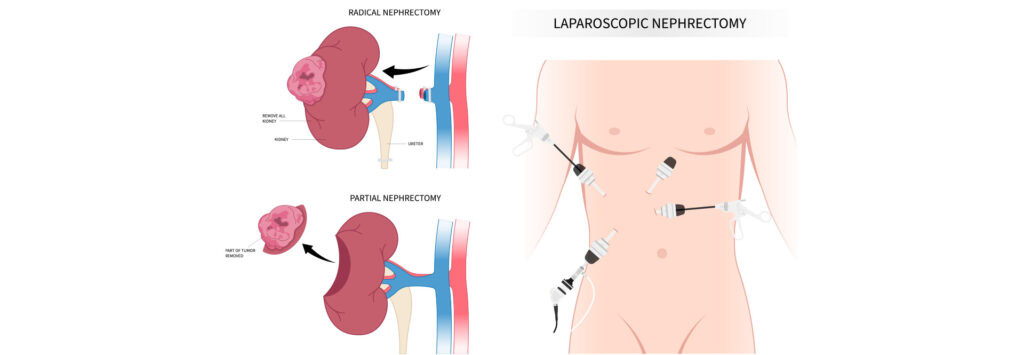
How Laparoscopic Salpingectomy Surgery Is Performed
Typically, laparoscopic salpingectomy is performed under general anesthesia using advanced minimally invasive surgical equipment.
Step-by-Step Surgical Procedure
1. Creation of Small Incisions
First, the surgeon creates several tiny abdominal incisions for insertion of the laparoscope and specialized surgical instruments.
2. Inflation of the Abdomen
Next, carbon dioxide gas is introduced into the abdomen to create adequate surgical working space.
3. Visualization of Pelvic Organs
Afterward, the laparoscope provides magnified views of the uterus, ovaries, fallopian tubes, and surrounding structures.
4. Identification of the Diseased Tube
Then, the affected fallopian tube is carefully identified and separated from surrounding tissues.
5. Removal of the Fallopian Tube
Subsequently, the blood supply to the tube is sealed, and the tube is safely removed through one of the small incisions.
6. Closure of Incisions
Finally, the instruments are removed and the incisions are closed with sutures or surgical glue.
Overall, the surgery usually takes between 30 minutes and 2 hours depending on surgical complexity.
Types of Salpingectomy Procedures
Several variations of salpingectomy may be performed depending on the patient’s condition.
| Procedure Type | Description | Common Use |
| Unilateral Salpingectomy | Removal of one fallopian tube | Ectopic pregnancy or localized disease |
| Bilateral Salpingectomy | Removal of both fallopian tubes | Cancer prevention or severe bilateral disease |
| Partial Salpingectomy | Removal of part of the tube | Selected sterilization procedures |
| Salpingo-Oophorectomy | Removal of tube and ovary | Advanced gynecologic disease |
Ultimately, the surgeon selects the most suitable approach based on the patient’s diagnosis and reproductive goals.
Benefits of Laparoscopic Salpingectomy Surgery
Laparoscopic salpingectomy offers several important advantages over traditional open surgery.
Minimally Invasive Technique
Because the procedure uses small incisions, tissue trauma and postoperative pain are significantly reduced.
Faster Recovery
Additionally, patients usually recover more quickly and return to normal activities sooner.
Reduced Blood Loss
Modern laparoscopic techniques help minimize intraoperative bleeding.
Better Cosmetic Results
Smaller incisions produce minimal visible scarring.
Improved Surgical Precision
Furthermore, magnified visualization allows accurate dissection and preservation of nearby structures.
Lower Risk of Infection
Consequently, minimally invasive surgery often reduces wound-related complications.
Recovery After Laparoscopic Salpingectomy
Recovery after laparoscopic salpingectomy is generally smooth and uncomplicated.
Common Postoperative Symptoms
Initially, patients may experience:
- Mild abdominal discomfort
- Temporary bloating
- Shoulder pain from surgical gas
- Mild fatigue
- Minor vaginal spotting
However, these symptoms usually improve within several days.
Recovery Guidelines
To support proper healing, patients are advised to:
- Walk regularly after surgery
- Avoid heavy lifting temporarily
- Stay hydrated
- Follow postoperative dietary instructions
- Maintain incision hygiene
- Attend follow-up appointments
As a result, most patients return to normal activities within 1 to 2 weeks.
Fertility After Salpingectomy Surgery
Fertility outcomes after salpingectomy depend on whether one or both fallopian tubes are removed.
Important Fertility Considerations
- Women with one healthy remaining tube may still conceive naturally.
- Bilateral salpingectomy eliminates natural conception through the fallopian tubes.
- IVF treatment may still be possible after bilateral salpingectomy.
Therefore, fertility counseling is important before surgery, especially for women planning future pregnancies.
Risks and Complications
Although laparoscopic salpingectomy is considered very safe, certain complications may occur in rare cases.
Possible Complications Include:
- Bleeding
- Infection
- Injury to nearby organs
- Adhesion formation
- Blood clots
- Anesthesia-related complications
Nevertheless, complication rates are generally low when surgery is performed by experienced gynecologic surgeons.
Success Rates of Laparoscopic Salpingectomy
Laparoscopic salpingectomy has excellent surgical success rates and favorable patient outcomes.
Factors Affecting Outcomes
Several factors influence recovery and success, including:
- Severity of tubal disease
- Presence of infection
- Fertility goals
- Patient health condition
- Surgical expertise
General Outcomes
Modern laparoscopic salpingectomy typically provides:
- Effective disease treatment
- Reduced pelvic pain
- Faster postoperative recovery
- Low complication rates
- Improved quality of life
Therefore, timely surgical intervention often leads to excellent long-term results.
Lifestyle Tips After Surgery
Healthy lifestyle habits may support faster healing and long-term reproductive wellness.
Recommended Lifestyle Measures
Patients are encouraged to:
- Maintain balanced nutrition
- Avoid smoking
- Stay physically active
- Follow medical advice carefully
- Attend routine gynecologic checkups
- Manage stress effectively
Consequently, these habits may improve recovery and overall reproductive health.
Choosing the Right Gynecologic Surgeon
Successful laparoscopic salpingectomy requires expertise in minimally invasive gynecologic surgery.
Patients Should Look For:
- Experienced laparoscopic gynecologic surgeons
- Advanced hospital facilities
- Expertise in reproductive surgery
- Comprehensive postoperative care
- Strong patient safety standards
Ultimately, specialized surgical care improves both safety and treatment outcomes.
Conclusion
Laparoscopic salpingectomy surgery is an advanced minimally invasive procedure for treating various tubal pathologies, including ectopic pregnancy, hydrosalpinx, chronic infections, and damaged fallopian tubes. By combining modern laparoscopic technology with precise surgical techniques, the procedure offers effective disease management with reduced pain, faster recovery, and minimal scarring.
Moreover, early diagnosis and timely intervention can help prevent serious reproductive complications and improve long-term gynecologic health. Therefore, women experiencing symptoms related to fallopian tube disorders should seek evaluation from an experienced gynecologic surgeon.
With modern surgical advancements and comprehensive postoperative care, laparoscopic salpingectomy continues to remain a safe and highly effective treatment option for tubal disease management.
Get Connected:
+91 79909 93062 | +91 63513 72032 | exports@jdmeditech.com