Hysteroscopic septum resection is a minimally invasive gynecological procedure used to correct a uterine septum, one of the most common congenital uterine abnormalities. A uterine septum is a band of fibrous or muscular tissue that partially or completely divides the uterine cavity. As a result, women with this condition may experience infertility, recurrent miscarriages, pregnancy complications, or abnormal reproductive outcomes.
Fortunately, advances in hysteroscopic surgery have made septum correction safer and more effective than ever before. Moreover, hysteroscopic septum resection allows surgeons to restore the normal shape of the uterus without abdominal incisions. Consequently, patients benefit from faster recovery, improved fertility outcomes, and enhanced reproductive health.
What is Hysteroscopic Septum Resection?
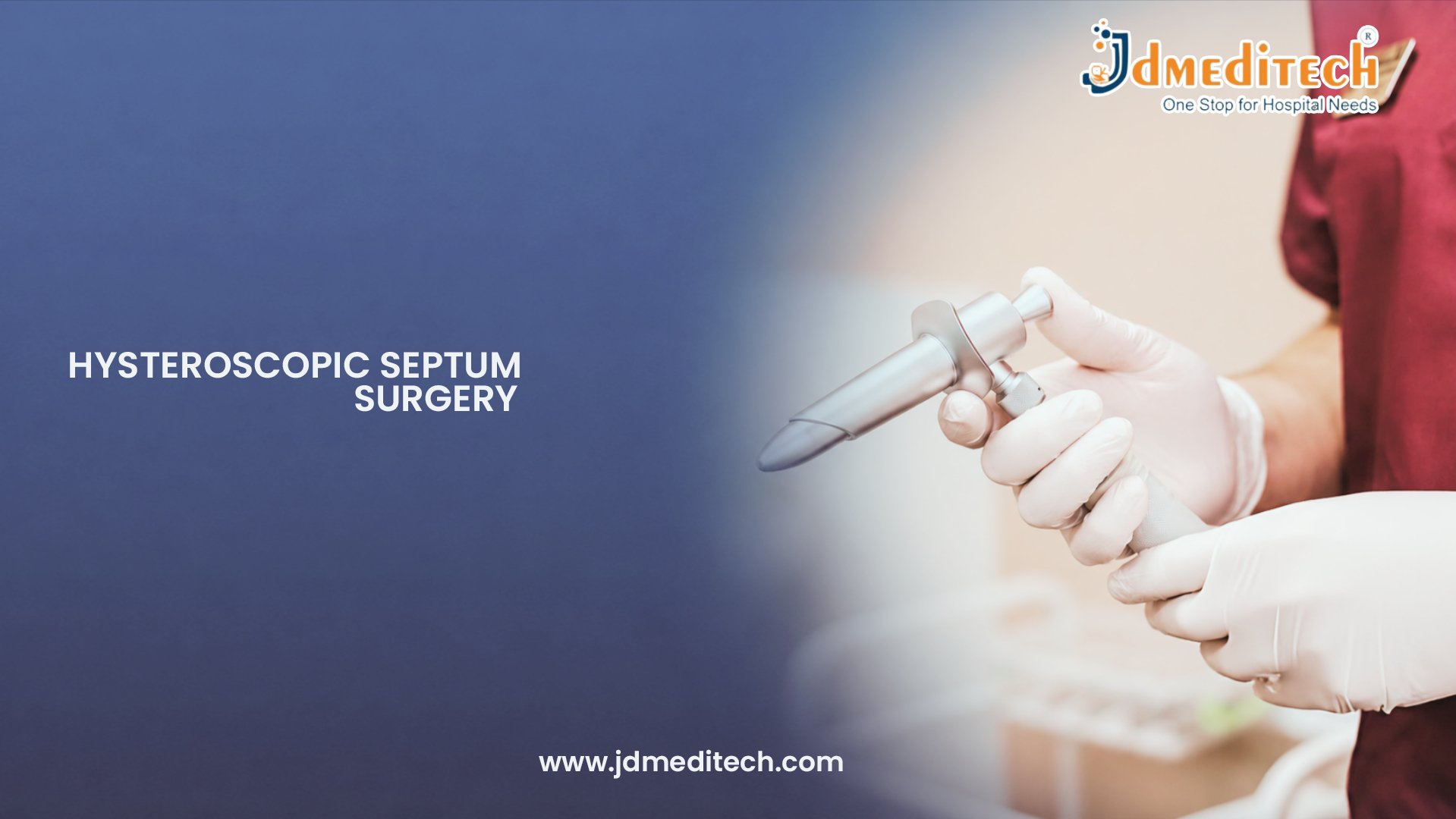
Hysteroscopic septum resection, also known as hysteroscopic metroplasty, is a surgical procedure performed using a hysteroscope and specialized operative instruments. During the procedure, the surgeon inserts the hysteroscope through the cervix into the uterine cavity and directly visualizes the septum.
The abnormal tissue is then carefully divided or removed to create a single, normal uterine cavity. Therefore, the procedure helps improve uterine anatomy while preserving the uterus and reproductive function.
Understanding a Uterine Septum
A uterine septum is a congenital condition that develops before birth when the tissue separating the two halves of the uterus fails to disappear completely. Consequently, a partition remains inside the uterine cavity.
Although some women may not experience symptoms, others may face significant reproductive challenges.
Common Problems Associated with a Uterine Septum
- Recurrent miscarriage
- Infertility
- Pregnancy complications
- Preterm birth
- Abnormal fetal positioning
- Recurrent pregnancy loss
- Difficulty carrying a pregnancy to term
Therefore, accurate diagnosis and timely treatment are important for women planning pregnancy or experiencing reproductive difficulties.
Why is Hysteroscopic Septum Resection Performed?
Hysteroscopic septum resection is recommended when a uterine septum affects fertility, pregnancy outcomes, or overall reproductive health. In addition, the procedure may be advised following recurrent miscarriages or unsuccessful fertility treatments.
Common Indications
- Recurrent pregnancy loss
- Infertility associated with uterine septum
- Repeated IVF failure
- Pregnancy complications linked to uterine abnormalities
- Complete uterine septum
- Partial uterine septum
- Congenital uterine malformations
Furthermore, correcting the uterine cavity often improves implantation rates and pregnancy success.
How is a Uterine Septum Diagnosed?
Before surgery, physicians perform detailed evaluations to confirm the presence and extent of the septum.
Common Diagnostic Methods
- Diagnostic hysteroscopy
- Pelvic ultrasound
- Three-dimensional ultrasound
- Sonohysterography
- Magnetic resonance imaging (MRI)
- Hysterosalpingography (HSG)
As a result, surgeons can develop an appropriate treatment plan based on the patient’s anatomy and reproductive goals.
Procedure of Hysteroscopic Septum Resection
The procedure is typically performed in a hospital or specialized gynecological surgery center. Depending on the patient’s condition, regional or general anesthesia may be used.
Step-by-Step Procedure
- Patient preparation and anesthesia administration.
- Introduction of the hysteroscope through the cervix.
- Expansion of the uterine cavity using sterile distension media.
- Identification of the uterine septum.
- Careful resection of the septal tissue.
- Continuous monitoring of uterine anatomy.
- Restoration of a normal uterine cavity.
- Final inspection and completion of the procedure.
- Postoperative recovery and observation.
Moreover, the surgery is generally completed within 30 to 60 minutes. Consequently, most patients can return home on the same day.
Instruments Used in Hysteroscopic Septum Resection
Modern hysteroscopic surgery relies on advanced visualization systems and precision surgical instruments.
Common Instruments
- Operative hysteroscope
- Hysteroscopy sheath
- Hysteroscopic scissors
- Bipolar electrodes
- Monopolar electrodes
- Resectoscope
- Endoscopic camera system
- LED light source
- Fluid management system
- Grasping forceps
Additionally, high-definition imaging technology improves surgical accuracy and patient safety.
Benefits of Hysteroscopic Septum Resection
Compared with traditional surgical methods, hysteroscopic septum resection offers numerous advantages.
Key Benefits
- Minimally invasive procedure
- No abdominal incisions
- Preservation of reproductive organs
- Improved fertility outcomes
- Reduced miscarriage risk
- Faster recovery
- Less postoperative pain
- Shorter hospital stay
- Lower complication rates
- Improved pregnancy outcomes
Consequently, the procedure has become the gold standard treatment for uterine septum correction.
How Septum Resection Improves Fertility
A uterine septum can reduce blood supply within the uterine cavity and interfere with embryo implantation. Therefore, women with this condition often experience infertility or recurrent pregnancy loss.
By removing the septum and restoring normal uterine anatomy, hysteroscopic septum resection creates a healthier environment for embryo implantation and fetal development. As a result, many patients experience improved fertility and higher successful pregnancy rates.
Is Hysteroscopic Septum Resection Safe?
Hysteroscopic septum resection is considered a safe and effective procedure when performed by experienced gynecological surgeons. Furthermore, advances in hysteroscopic technology have significantly enhanced procedural safety.
Possible Risks
- Mild cramping
- Temporary spotting
- Infection
- Cervical injury
- Fluid overload
- Uterine perforation (rare)
Nevertheless, serious complications remain uncommon, especially when modern surgical equipment and standardized techniques are used.
Recovery After Hysteroscopic Septum Resection
Recovery is usually rapid, and most patients return to normal activities within a few days. However, individual recovery times may vary.
Recovery Recommendations
- Follow all postoperative instructions.
- Take prescribed medications as directed.
- Avoid strenuous activity if advised.
- Attend follow-up appointments.
- Monitor for unusual symptoms.
In addition, regular follow-up examinations help ensure proper healing and optimal surgical outcomes.
Importance of Advanced Hysteroscopy Equipment
The success of hysteroscopic septum resection depends significantly on the quality of hysteroscopic instruments and imaging systems. Therefore, healthcare facilities increasingly invest in advanced gynecological endoscopy technologies.
Features of Modern Hysteroscopy Systems
- High-definition visualization
- Superior image quality
- Enhanced surgical precision
- Improved patient safety
- Efficient fluid management
- Better workflow efficiency
Consequently, modern hysteroscopy systems support accurate uterine septum correction and improved patient care.
Conclusion
Hysteroscopic septum resection is a safe, effective, and minimally invasive solution for correcting uterine septum abnormalities. Because the procedure restores normal uterine anatomy without abdominal surgery, patients benefit from shorter recovery times and improved reproductive outcomes.
Whether addressing infertility, recurrent miscarriage, or congenital uterine abnormalities, hysteroscopic septum resection offers excellent clinical results. Ultimately, the combination of skilled surgical expertise and advanced hysteroscopy technology helps improve fertility, pregnancy success, and overall women’s reproductive health.
Get Connected:
+91 79909 93062 | +91 63513 72032 | exports@jdmeditech.com