Biliary obstruction is a serious condition that disrupts the normal flow of bile from the liver to the intestine. It can result from malignancies, strictures, or gallstones, leading to complications such as jaundice, infection, and liver dysfunction.
A biliary metal stent offers an advanced, long-term solution for maintaining bile duct patency. Designed for durability and efficiency, these stents are widely used in endoscopic and interventional procedures to ensure continuous bile drainage.
What is a Biliary Metal Stent?
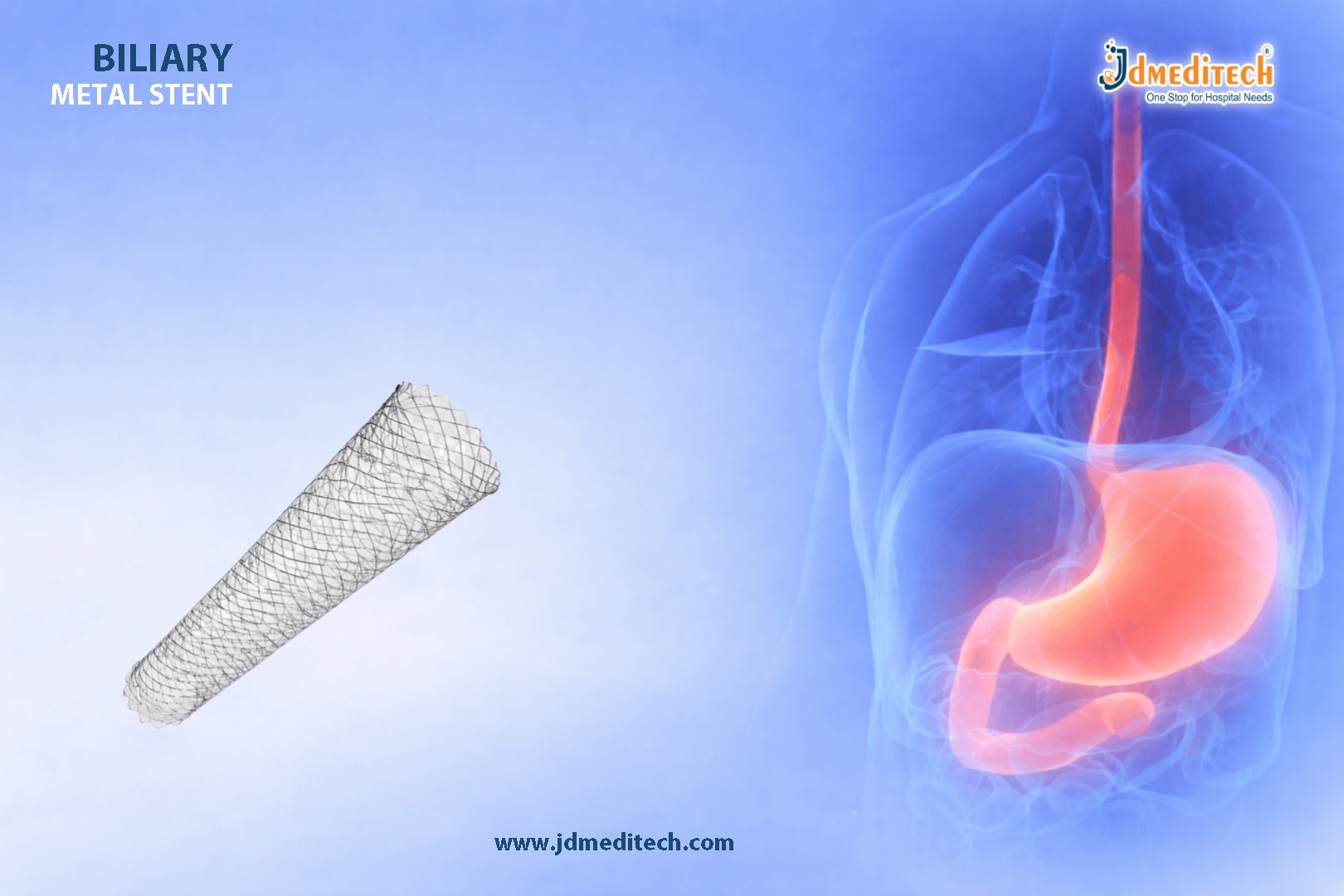
A biliary metal stent is a self-expanding tubular device made from biocompatible metal alloys such as nitinol. It is placed within the bile duct to relieve obstruction and restore bile flow.
Unlike plastic stents, metal stents expand after placement and provide a larger internal diameter, which significantly improves drainage and reduces the risk of blockage.
Key Features of Biliary Metal Stents
1. Self-Expanding Design
Biliary metal stents automatically expand once deployed, ensuring optimal lumen size and effective bile drainage.
2. Superior Patency
They offer longer patency compared to plastic stents, reducing the need for frequent replacements.
3. High Radial Force
The strong radial force helps maintain ductal opening even in cases of severe strictures or external compression.
4. Biocompatible Material
Manufactured using materials like nitinol, these stents are corrosion-resistant and safe for long-term implantation.
5. Covered and Uncovered Options
- Covered stents : Prevent tumor ingrowth
- Uncovered stents : Allow tissue integration for stability
Types of Biliary Metal Stents
1. Fully Covered Metal Stents (FCSEMS)
- Prevent tissue and tumor ingrowth
- Easy to remove or reposition
- Suitable for benign strictures
2. Partially Covered Metal Stents
- Balance between fixation and protection
- Reduced migration risk
3. Uncovered Metal Stents (USEMS)
- Promote tissue embedding
- Commonly used in malignant obstructions
- Lower migration risk
Clinical Applications
Biliary metal stents are widely used in various medical conditions:
- Malignant biliary obstruction (e.g., pancreatic or bile duct cancer)
- Benign biliary strictures
- Post-surgical bile duct narrowing
- Palliative care to relieve jaundice
- Chronic pancreatitis-related strictures
Advantages Over Plastic Stents
| Feature | Metal Stents | Plastic Stents |
| Patency Duration | Long-term | Short-term |
| Diameter | Larger | Smaller |
| Replacement Frequency | Less frequent | More frequent |
| Cost Efficiency | Higher initial cost but fewer procedures | Lower cost but frequent replacements |
Overall, biliary metal stents provide better long-term outcomes, especially in patients requiring prolonged biliary drainage.
Procedure Overview
Biliary metal stents are typically placed using ERCP (Endoscopic Retrograde Cholangiopancreatography) or percutaneous techniques.
Steps Involved:
- Access the bile duct using an endoscope
- Identify the site of obstruction
- Advance a guidewire across the stricture
- Deploy the stent under imaging guidance
- Confirm proper expansion and bile flow
The procedure is minimally invasive and usually performed under sedation.
Benefits of Biliary Metal Stents
- Ensures continuous bile drainage
- Reduces symptoms like jaundice and itching
- Minimizes hospital visits due to fewer replacements
- Enhances patient comfort and quality of life
- Provides effective palliative care in cancer patients
Potential Risks and Considerations
Although generally safe, some risks include:
- Stent migration
- Blockage due to sludge or tumor overgrowth
- Infection (cholangitis)
- Procedure-related complications
Proper patient selection and follow-up care help minimize these risks.
Why Choose High-Quality Biliary Metal Stents?
Selecting a reliable manufacturer ensures:
- Consistent expansion performance
- Optimal flexibility and strength
- Reduced complication rates
- Compliance with international medical standards
High-quality stents are crucial for achieving successful clinical outcomes.
Conclusion
A biliary metal stent is a highly effective solution for managing bile duct obstruction, offering long-term patency, improved drainage, and reduced need for repeat interventions.
With advancements in stent design and materials, these devices have become a preferred choice for both malignant and benign biliary conditions, significantly improving patient care and clinical success rates.
Get Connected:
+91 79909 93062 | +91 63513 72032 | exports@jdmeditech.com